





Introduction
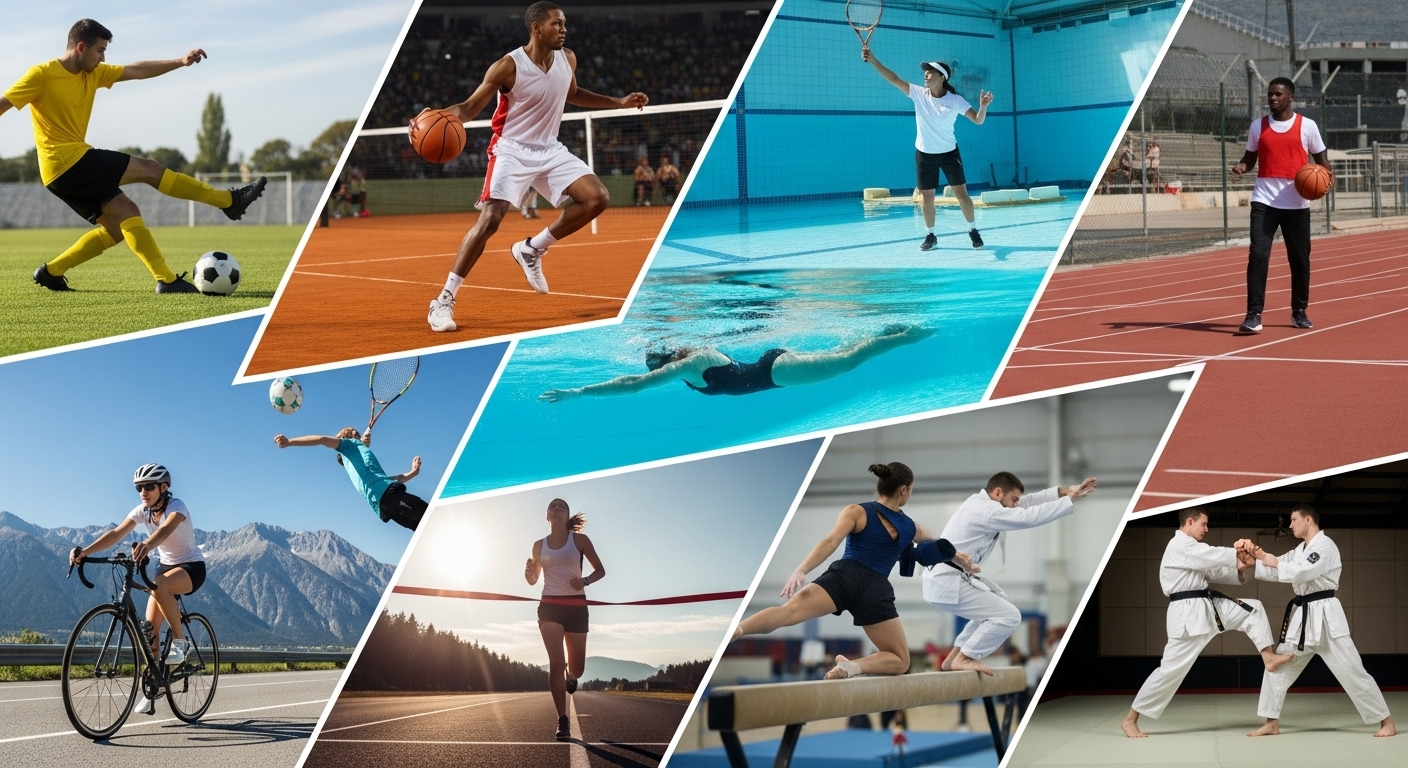
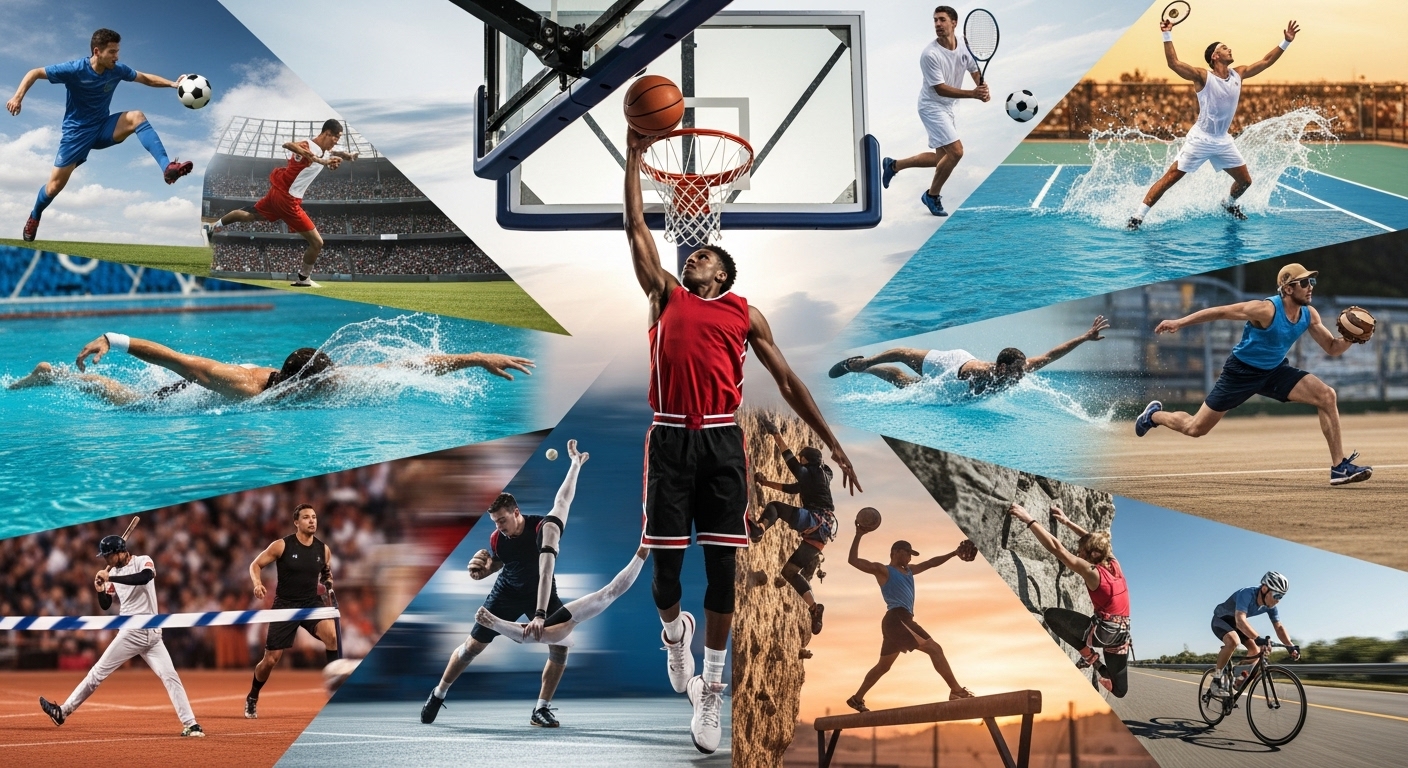
Sports are more than just games; they are a reflection of human ambition, creativity, and perseverance. Across every culture and era, sports have acted as a unifying force, a source of inspiration, and a platform for personal and societal growth. From local playgrounds to global arenas, the impact of sports goes far beyond winning or losing. They teach life lessons, promote health, and foster a sense of community that transcends boundaries. This blog explores the multifaceted world of sports, examining their influence on individuals, communities, and society at large.
The Emotional Power of Sports
Few experiences rival the emotional highs and lows that sports bring. The thrill of scoring a goal, hitting a game-winning shot, or completing a marathon creates a sense of accomplishment and joy that few other activities can match. On the flip side, experiencing defeat teaches resilience, humility, and determination. These emotions forge deep connections between athletes and fans alike, cultivating loyalty, pride, and shared experiences that last a lifetime. Sports evoke passion and excitement in a way that transcends age, culture, and language, making them a universal source of emotional engagement.
Sports as a Catalyst for Unity
Sports have an unparalleled ability to bring people together. Fans from diverse backgrounds and cultures unite in support of their favorite teams or athletes, creating a sense of community that is rare in other aspects of life. Major international tournaments exemplify this unity, as people worldwide watch, celebrate, and share the highs and lows together. Even rivalries, when approached with respect, teach the value of healthy competition. Sports remind us that common goals can transcend differences, highlighting shared values and a collective human spirit.
Impact of Sports on Youth Development
For children and teenagers, sports are more than recreational activities—they are crucial tools for personal growth. Participation in sports teaches discipline, teamwork, time management, and leadership skills. Young athletes learn to set goals, overcome challenges, and cope with both success and failure. Sports also nurture emotional intelligence, resilience, and self-confidence. Coaches and mentors play a pivotal role in guiding youth, providing lessons that extend beyond the field or court. These experiences often influence future academic achievements, career success, and social skills.
Physical Benefits of Sports
The physical advantages of engaging in sports are immense. Regular participation strengthens the heart, muscles, and bones, improves flexibility, and enhances overall stamina. In an age dominated by technology and sedentary lifestyles, sports offer a necessary outlet for movement and activity. Exercise through sports also boosts the immune system, reduces the risk of chronic diseases, and contributes to long-term health. Beyond physical fitness, sports instill healthy habits such as proper nutrition, adequate rest, and personal discipline, promoting a balanced and active lifestyle.
Mental Health and Sports
Sports play a significant role in mental well-being. They help reduce stress, anxiety, and depression while fostering focus, determination, and resilience. The discipline required in training and competition teaches valuable coping mechanisms for handling pressure in everyday life. Athletes develop mental toughness, self-discipline, and problem-solving skills, which often translate into other areas of life. In recent years, the growing awareness of mental health in sports has encouraged athletes to openly discuss challenges, inspiring communities to prioritize emotional well-being alongside physical fitness.
Technology and Innovation in Sports
Modern sports have been transformed by technology. Advanced analytics, wearable devices, and performance tracking systems allow athletes to refine their skills with scientific precision. Video review systems and instant replay ensure fairness and improve decision-making, while fans enjoy enhanced viewing experiences through high-definition broadcasts and interactive platforms. Technology also enables virtual training, allowing athletes to practice and analyze techniques in controlled environments. These innovations have raised the level of competition, making sports more exciting and accessible than ever before.
Economic and Professional Impact of Sports
Sports are now a major global industry, generating billions in revenue through sponsorships, merchandise, broadcasting rights, and ticket sales. Professional athletes achieve celebrity status and wield significant influence, while coaches, medical staff, event organizers, and media professionals create a thriving ecosystem of employment opportunities. Major tournaments drive tourism, stimulate local economies, and attract investment in infrastructure. Sports-related entrepreneurship has also surged, with opportunities in fitness, coaching, content creation, and analytics, demonstrating that the economic impact of sports is both far-reaching and sustainable.
Sports as a Platform for Social Change
Athletes and sports organizations often serve as powerful voices for social justice and community development. Through advocacy and charitable work, they raise awareness on issues such as equality, education, and environmental sustainability. Sports events frequently incorporate initiatives to support underprivileged communities, foster social responsibility, and encourage civic engagement. The ability of sports to inspire positive change demonstrates that athletic competition is not just about winning but also about making a meaningful impact on society.
Community Pride and Local Identity
Local sports teams often act as symbols of community pride and identity. Victories and achievements of local teams bring communities together, instilling a sense of belonging and shared celebration. Sports programs offer safe recreational spaces, promote social interaction, and strengthen neighborhood bonds. Community tournaments, school leagues, and local events foster teamwork, camaraderie, and social cohesion. Sports help build resilient communities where collective effort and mutual support are celebrated and nurtured.
The Rise and Importance of Women’s Sports
The growth of women’s sports has been one of the most significant changes in the athletic landscape. Female athletes are now recognized for their skill, determination, and professionalism, drawing larger audiences and inspiring future generations. The expansion of women’s leagues and competitions promotes gender equality, challenges societal stereotypes, and provides valuable role models. Increased visibility of women in sports also encourages inclusivity, ensuring that opportunities are available to all, regardless of gender.
Globalization and Cultural Exchange Through Sports
Sports act as a medium for cultural exchange, promoting global understanding and cooperation. International competitions, such as world championships and Olympic Games, allow people from diverse backgrounds to interact, learn, and appreciate one another’s traditions and values. Athletes become ambassadors for their countries, while fans gain exposure to new cultures and experiences. Sports foster mutual respect and broaden perspectives, highlighting shared humanity despite differences in nationality, language, or lifestyle.
Sustainability and the Future of Sports
As the world evolves, sports are adapting to environmental and social responsibilities. Eco-friendly stadiums, energy-efficient events, and sustainable practices are becoming priorities. Adaptive sports for athletes with disabilities are gaining recognition, ensuring participation for everyone. Technological innovations will continue to enhance performance, safety, and fan engagement. The future of sports emphasizes inclusivity, sustainability, and global access, ensuring that athletic opportunities remain available for generations to come while preserving the planet for future athletes.
Conclusion
Sports are a reflection of the best of humanity. They teach discipline, resilience, and teamwork, while inspiring passion, joy, and a sense of belonging. Beyond physical fitness, sports foster mental well-being, social cohesion, and personal growth. They create economic opportunities, drive technological innovation, and serve as a platform for social change. As society progresses, sports will continue to evolve, but their core essence—competition, inspiration, and human connection—will remain timeless. In every match played, every record broken, and every community united, sports remind us of our limitless potential and the power of perseverance.