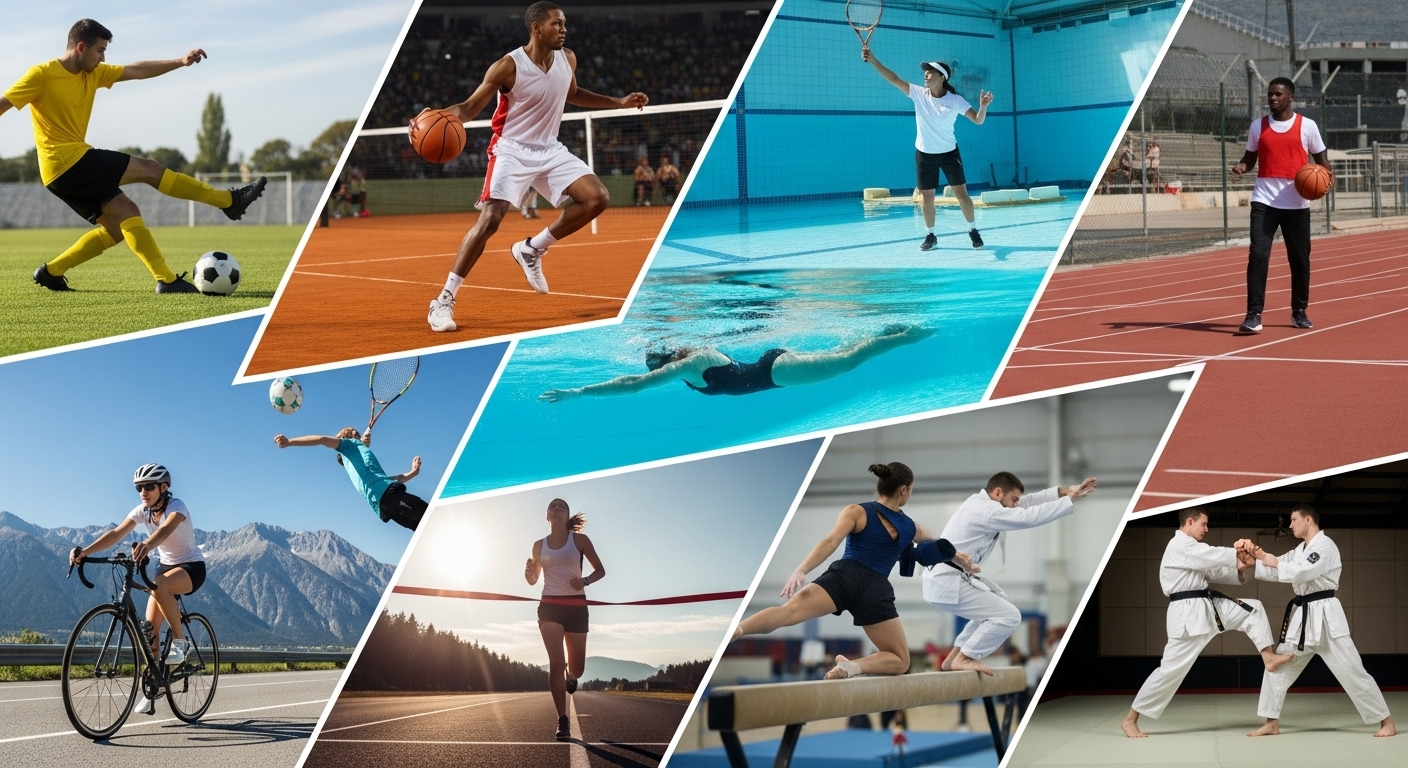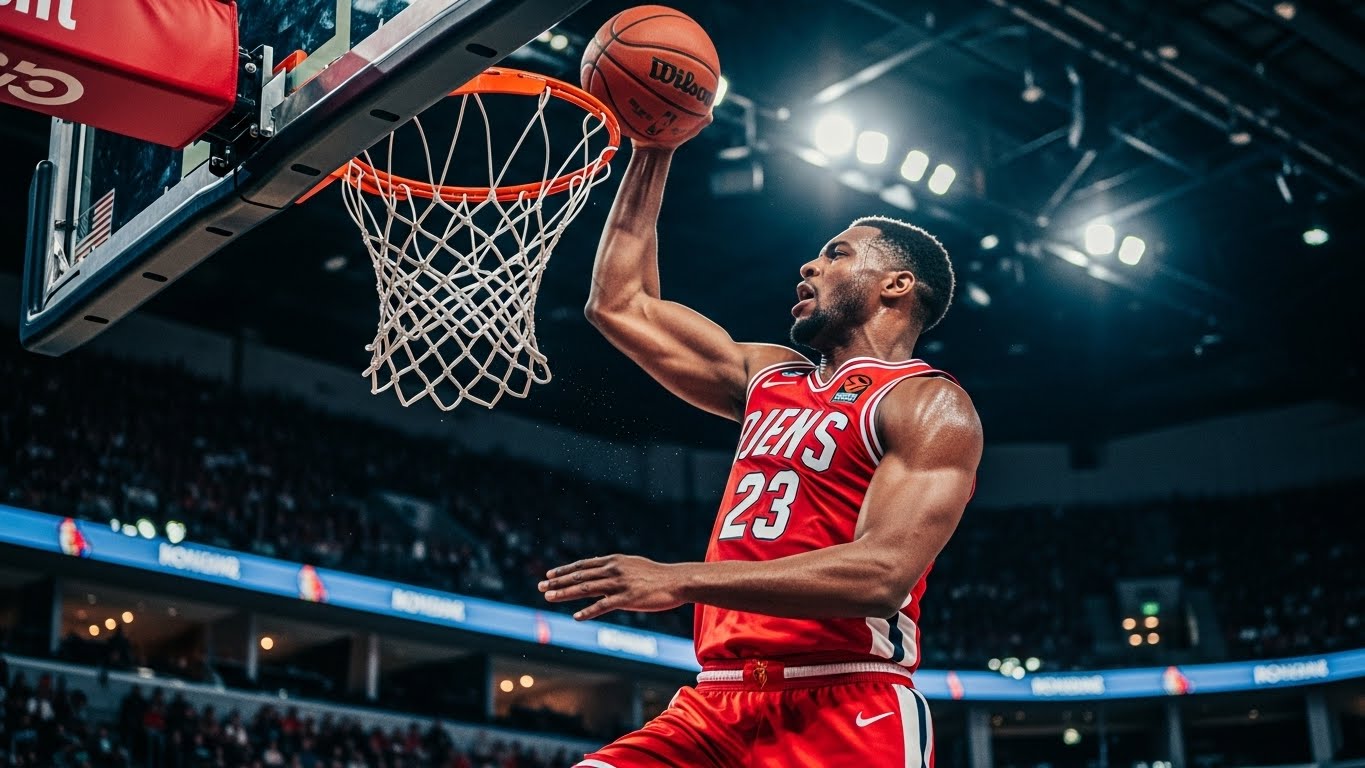





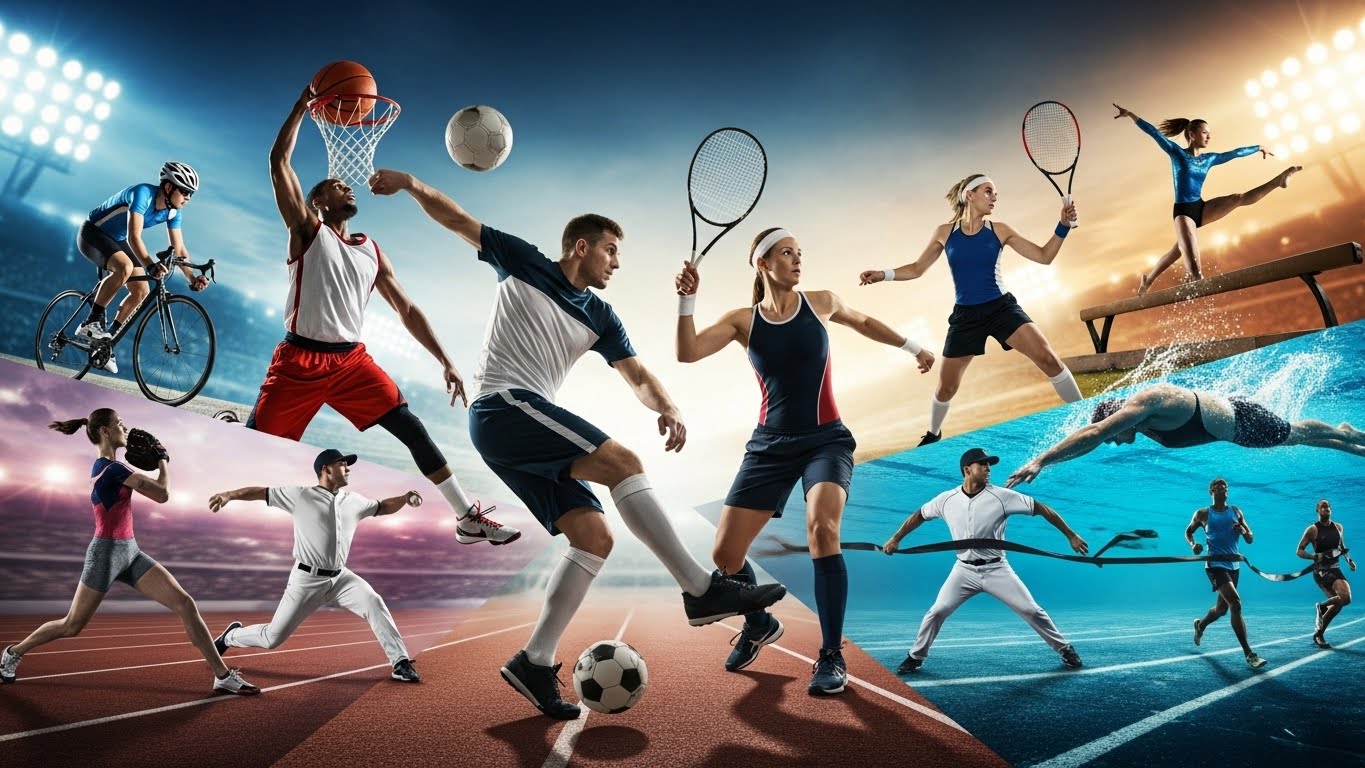
Sports have always been more than just a form of physical activity or entertainment. They are a reflection of culture, a platform for personal growth, and a unifying force that transcends boundaries. From ancient Olympic competitions to modern professional leagues, sports inspire passion, perseverance, and community. In this blog, we will explore the history of sports, their benefits, social impact, challenges, and the future of athletic endeavors in a rapidly evolving world.
The Origins of Sports
The history of sports dates back thousands of years, often tied to survival, military training, and religious or cultural rituals. Ancient civilizations, including Greece, Egypt, and China, organized competitive events to demonstrate strength, skill, and endurance. The ancient Olympic Games in Greece showcased running, wrestling, and chariot racing, emphasizing excellence, discipline, and honor.
Sports were not only physical contests but also symbolic expressions of societal values. Traditional games in many cultures, such as archery, martial arts, and horseback riding, reflected local customs and ideals. These early forms of competition laid the foundation for structured, codified sports that evolved over time.
Physical Benefits of Sports
Engaging in sports provides numerous physical benefits. Regular participation improves cardiovascular health, strengthens muscles, increases flexibility, and enhances overall fitness. Sports encourage active lifestyles, helping prevent obesity, diabetes, and other lifestyle-related illnesses.
Athletes develop stamina, coordination, and agility, which are essential for performance in both sports and everyday life. Regular exercise through sports also supports immune function, reduces the risk of chronic diseases, and promotes long-term physical well-being.
Mental and Psychological Benefits
Sports offer significant mental and psychological advantages. Participating in physical activities reduces stress, improves mood, and enhances cognitive function. Athletes develop focus, discipline, and resilience as they work toward goals and overcome challenges.
Team sports teach collaboration, communication, and leadership, while individual sports foster independence, self-reliance, and personal accountability. The mental strength cultivated through sports often translates into academic, professional, and personal success.
Sports as a Tool for Education
Educational institutions recognize the importance of sports in developing well-rounded individuals. School and college programs provide opportunities for physical activity, competition, and teamwork. Student-athletes learn time management, goal-setting, and perseverance—skills that benefit both academics and life beyond school.
Sports also promote social skills, ethical behavior, and cultural awareness. Participating in competitions teaches fair play, respect for others, and coping strategies for both success and failure, making sports a valuable complement to formal education.
Teamwork and Leadership
Team sports like football, basketball, cricket, and volleyball emphasize collaboration, strategy, and communication. Players learn to work together toward a common goal, understanding how to support teammates, leverage individual strengths, and adapt strategies dynamically.
Leadership skills emerge naturally within team environments. Captains and key players guide, motivate, and organize their teams, learning to inspire others while managing collective performance. Even in individual sports, leadership develops through mentorship, coaching, and personal accountability.
Sports as a Social Connector
Sports have a remarkable ability to bring people together. Local leagues, community tournaments, and school competitions create bonds among participants, fostering friendship and camaraderie. National and international events, such as the Olympics or World Cup, unite people across cultures and countries, celebrating shared passions.
Fans experience a sense of belonging and identity through sports. Supporting teams or athletes encourages social interaction, strengthens community, and creates memorable experiences. Sporting events serve as cultural touchstones, generating excitement, pride, and shared memories.
Professional Sports and Career Opportunities
Professional sports have grown into a global industry with significant economic, cultural, and social impact. Leagues in football, basketball, cricket, tennis, and other sports attract millions of spectators, generate revenue, and create career opportunities for athletes, coaches, analysts, and support staff.
Professional athletes serve as role models, inspiring dedication, discipline, and perseverance. Beyond entertainment, sports influence lifestyle, fashion, and social trends. The professionalization of sports demonstrates that athletic talent, when combined with discipline and strategy, can lead to a successful and rewarding career.
Sports and Technology
Technology has transformed how sports are played, coached, and consumed. Advanced training equipment, wearable devices, and performance analytics enable athletes to monitor health, improve techniques, and prevent injuries. Video analysis and data-driven strategies enhance team preparation and tactical planning.
Broadcast technology revolutionizes fan engagement. Live coverage, instant replays, and interactive platforms make events more accessible and immersive, allowing fans to experience sports from anywhere in the world. Technology also facilitates fair play, accurate officiating, and greater inclusion in sports competitions.
Gender Equality and Inclusion in Sports
Historically, women and marginalized groups have faced barriers in accessing sports. However, recent decades have seen significant progress toward gender equality and inclusivity. Women’s leagues, mixed-gender competitions, and adaptive sports provide platforms for diverse participation.
Promoting equality in sports encourages broader representation, inspires future generations, and ensures that opportunities for physical, mental, and professional growth are accessible to all. Inclusive sports foster respect, understanding, and empowerment across communities.
Sports and Cultural Impact
Sports play a significant role in shaping culture. They influence fashion, language, media, and social trends, creating a shared cultural lexicon. Iconic athletes become symbols of determination, skill, and national pride, inspiring millions around the world.
Major sporting events serve as cultural milestones. They bring together diverse populations, promote tourism, and stimulate economic growth while highlighting traditions, values, and social narratives. Sports also act as platforms for social change, raising awareness on critical issues and encouraging community engagement.
Challenges in Modern Sports
Despite its benefits, sports face challenges. Doping, corruption, match-fixing, and financial misconduct threaten integrity and fairness. Injuries, overtraining, and mental health pressures affect athletes’ well-being and career longevity. Accessibility and resource inequality limit opportunities for many aspiring athletes.
Addressing these challenges requires ethical governance, effective regulation, and support systems for athletes. Inclusive policies, medical care, mental health awareness, and education ensure that sports remain safe, fair, and empowering for participants at all levels.
The Future of Sports
The future of sports is dynamic and promising. Emerging technologies such as virtual reality, wearable performance monitors, and data analytics will continue to enhance training, gameplay, and fan engagement. eSports and digital competitions are expanding the definition of athletic competition, attracting new audiences and creating hybrid experiences.
Efforts toward sustainability, inclusivity, and global collaboration will shape the development of sports. As society evolves, sports will continue to inspire, connect, and challenge individuals, serving as a mirror for human potential, creativity, and resilience.
Conclusion
Sports are far more than physical contests; they are a reflection of human values, culture, and social cohesion. They shape individuals by promoting health, discipline, teamwork, and leadership while uniting communities and nations. From grassroots initiatives to professional leagues, sports inspire perseverance, creativity, and excellence.
In an increasingly interconnected and technological world, sports will continue to evolve, integrating new innovations, expanding accessibility, and influencing culture on a global scale. Whether as a participant, fan, or professional, engaging with sports enriches life, fosters growth, and celebrates the enduring spirit of human achievement.