





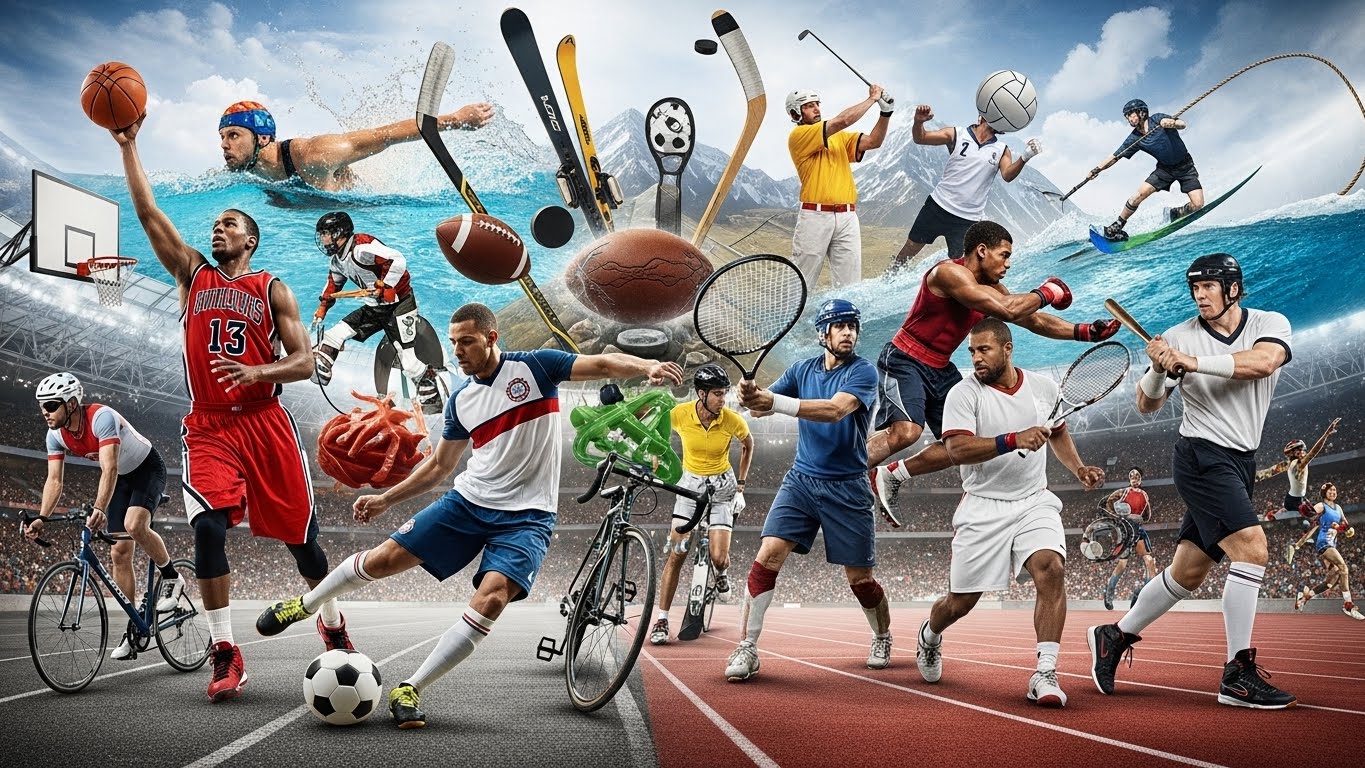
Sports have been an integral part of human culture for centuries, transcending borders, languages, and generations. Whether played on professional stages, school grounds, or local fields, sports captivate our attention and inspire passion, perseverance, and unity. They go far beyond mere games, shaping individuals, communities, and societies at large. In this blog, we explore the multifaceted world of sports, examining its history, social impact, evolving trends, and the lessons it offers for life itself.
The Origins of Sports: From Ancient Rituals to Modern Competitions
The history of sports stretches back thousands of years. Ancient civilizations used athletic competitions to honor their gods, celebrate strength, and foster camaraderie. In Ancient Greece, the Olympic Games became a symbol of excellence, showcasing both physical skill and mental discipline. Similarly, other cultures developed unique sports reflective of their traditions, such as martial arts in Asia, equestrian contests in the Middle East, and wrestling in Africa.
Over time, these ancient competitions evolved into organized modern sports, complete with codified rules, professional leagues, and international tournaments. Today, sports maintain the same core values of competition, skill, and personal growth while adapting to technological advancements and global connectivity.
Physical Benefits of Sports
Engaging in sports offers numerous physical benefits. Regular activity strengthens muscles, improves cardiovascular health, enhances flexibility, and boosts stamina. It is an essential way to combat lifestyle-related diseases and maintain a healthy weight. Participation in sports also improves coordination, balance, and reflexes, which are crucial for everyday physical performance.
Youth involvement in sports lays the foundation for lifelong fitness habits. Developing strength and agility early on not only improves performance in games but also contributes to overall health. Even recreational sports provide a means of staying active, reducing sedentary behavior, and maintaining an energetic lifestyle.
Mental and Emotional Advantages of Sports
Sports are not just a physical pursuit; they have profound effects on mental and emotional well-being. Athletes develop concentration, resilience, and the ability to handle pressure. The challenges faced in training and competition teach patience, determination, and self-discipline.
Participation in sports also combats stress and anxiety. Physical activity stimulates the release of endorphins, which improve mood and reduce feelings of depression. For spectators, watching favorite teams or players can provide emotional excitement and a sense of connection, offering temporary relief from everyday pressures.
Building Character Through Sports
One of the most valuable aspects of sports is its ability to build character. Competing fairly, respecting opponents, and accepting outcomes gracefully are fundamental principles in every game. These lessons instill integrity, honesty, and sportsmanship—qualities that extend far beyond athletic arenas.
Team sports teach collaboration, empathy, and communication. Players learn to work together, support one another, and achieve collective goals. Individual sports emphasize personal responsibility, self-motivation, and mental toughness. In both cases, athletes acquire skills that prepare them for challenges in life, fostering maturity and confidence.
The Social Impact of Sports
Sports serve as a powerful social connector. They bring people together, creating shared experiences that transcend cultural, social, and economic differences. Local matches, community leagues, and national tournaments foster a sense of belonging and pride. Fans unite behind teams, forming bonds that often last a lifetime.
Schools and universities use sports to enhance student engagement and build community spirit. Recreational programs offer avenues for youth development and social interaction, teaching teamwork, leadership, and interpersonal skills. Even casual participation in sports promotes inclusion and strengthens social ties.
Professional Sports and Global Influence
Professional sports have grown into a global phenomenon, influencing entertainment, media, and the economy. Events like the FIFA World Cup, the Olympic Games, and international tennis tournaments attract massive audiences, uniting millions in shared excitement. Professional athletes inspire millions worldwide, serving as role models for dedication, perseverance, and excellence.
The economic impact of sports is also significant. From stadium construction and merchandise sales to advertising and media rights, professional sports drive financial growth. Beyond economics, athletes use their platforms to champion social causes, advocate for equality, and inspire positive change, demonstrating that sports can influence society beyond the field of play.
Sports and Technological Innovation
Technology has dramatically changed the sports landscape. Athletes now rely on advanced training equipment, wearable fitness devices, and performance analytics to optimize results. Data-driven strategies allow coaches to assess strengths, anticipate opponents’ tactics, and minimize injuries.
Fans experience sports differently due to broadcasting innovations, instant replays, high-definition streaming, and interactive platforms. Social media enables athletes and teams to connect directly with supporters, creating a dynamic and immersive sports culture. Technology continues to shape the way sports are played, watched, and celebrated.
Women in Sports: Breaking Barriers
Women’s participation in sports has seen remarkable growth. Female athletes now compete at elite levels in every discipline, challenging stereotypes and redefining societal expectations. From athletics and football to martial arts and cricket, women have proven their skill, resilience, and leadership.
The rise of women in sports has inspired young girls worldwide, providing role models and encouraging gender equality. Increased sponsorship, media coverage, and opportunities have empowered women to pursue sports professionally. This progress fosters inclusivity and highlights the importance of equal recognition in every arena of life.
Cultural Significance of Sports
Sports are a reflection of culture and national identity. Certain games become symbolic of regions and traditions, such as cricket in South Asia, baseball in America, sumo wrestling in Japan, and rugby in New Zealand. Cultural values, historical context, and community pride are often intertwined with sporting events.
Beyond representation, sports provide a platform for cultural exchange. International competitions allow diverse nations to showcase their heritage, fostering mutual understanding and respect. Festivals, rituals, and celebrations often revolve around sports, strengthening social bonds and preserving tradition.
Youth Development and Sports
For young people, sports offer more than just recreation. They provide critical life skills, including discipline, responsibility, time management, and goal-setting. Participation encourages resilience, teaches how to handle failure, and nurtures leadership abilities.
Sports also promote healthy lifestyle choices from an early age. Children and teenagers develop physical endurance, social skills, and self-confidence, laying the groundwork for lifelong success. Youth leagues and school programs create safe spaces for learning, growth, and enjoyment.
The Future of Sports
The future of sports is poised to be more innovative, inclusive, and accessible. Emerging technologies like virtual reality, artificial intelligence, and wearable sensors will enhance training, spectator experience, and athlete performance. Virtual competitions and digital engagement will create new opportunities for global participation.
Inclusivity will remain a central focus. Adaptive sports and para-athletic programs are expanding, ensuring that individuals with disabilities can compete and excel. Efforts to bridge gender gaps and provide equal opportunities will continue to transform the sports landscape.
Conclusion
Sports are far more than games; they are a reflection of human potential, resilience, and unity. From personal growth and physical well-being to cultural significance and global influence, sports impact every aspect of life. They teach us discipline, perseverance, teamwork, and empathy while providing entertainment, inspiration, and community. As technology advances and inclusivity expands, sports will continue to evolve, but their essence remains timeless: to challenge, inspire, and bring people together in pursuit of excellence.
In the end, sports remind us that victory is not just about winning games but about developing character, embracing challenges, and celebrating the shared human spirit.