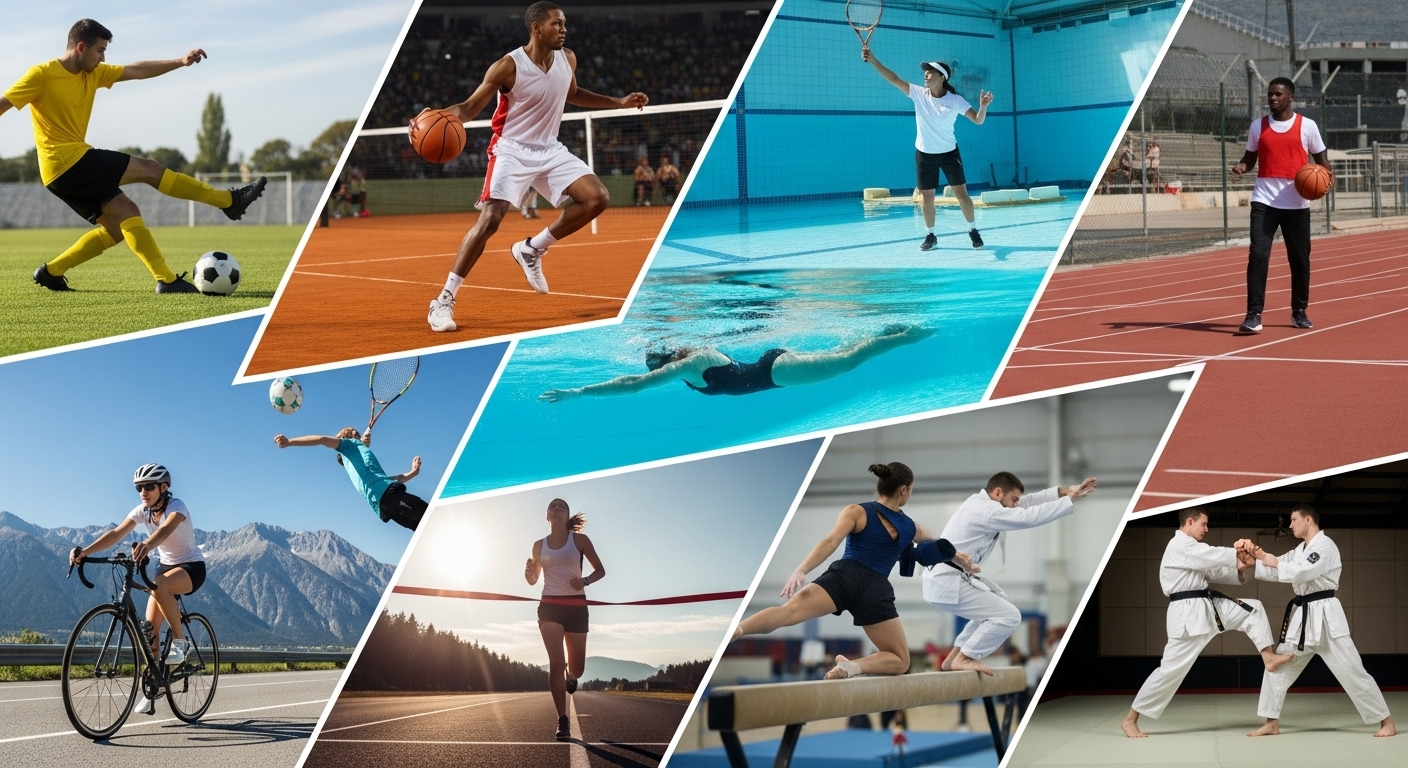





Sports are more than just games or physical activity; they are a reflection of human determination, teamwork, and resilience. Across the globe, people of all ages and backgrounds engage in sports, finding not only enjoyment but also lessons that extend far beyond the playing field. From local community leagues to international competitions, sports inspire, challenge, and unite individuals. This blog explores the multifaceted world of sports, highlighting its physical, mental, social, and cultural impacts.
The Universal Appeal of Sports
One of the most remarkable features of sports is its universal appeal. Regardless of culture, language, or geography, sports provide a shared experience that connects people. Watching a soccer match in Europe, a cricket game in South Asia, or a basketball tournament in the United States evokes similar emotions—excitement, tension, and joy. Sports act as a universal language, bridging divides and fostering mutual understanding. They bring communities together, inspire national pride, and often serve as a source of collective identity.
Physical Health Benefits
Engaging in sports has profound effects on physical health. Regular participation improves cardiovascular fitness, strengthens muscles and bones, enhances flexibility, and promotes endurance. Sports like running, swimming, and cycling improve stamina, while team sports such as football, volleyball, and basketball enhance coordination and agility. Beyond these immediate benefits, consistent physical activity through sports reduces the risk of chronic illnesses such as obesity, diabetes, and heart disease. Active participation in sports contributes to a healthier, longer life.
Mental and Emotional Advantages
Sports are equally important for mental and emotional well-being. Physical activity stimulates the release of endorphins, which improve mood and reduce stress. Participation in sports also fosters resilience, patience, and problem-solving skills. Athletes often face setbacks such as losses or injuries, and overcoming these challenges builds mental toughness. Furthermore, sports can enhance self-confidence and self-esteem, as achieving personal or team goals provides a sense of accomplishment. The emotional benefits of sports are vital for both children and adults, supporting overall psychological health.
Teamwork and Leadership Development
Sports provide an ideal environment to develop essential life skills such as teamwork and leadership. Team sports require players to communicate effectively, coordinate strategies, and make quick decisions under pressure. Working collaboratively toward a shared goal teaches individuals how to support teammates, manage conflicts, and celebrate collective success. Leadership skills often emerge naturally, as some players take on roles that involve motivating others, organizing efforts, and guiding teams through challenges. These skills translate seamlessly into professional, academic, and personal life, enhancing overall growth.
Sports as an Educational Tool
Sports play a significant role in education, promoting holistic development. Schools and universities often integrate sports programs to encourage discipline, focus, and time management among students. Participation in sports teaches responsibility, as athletes must balance academic commitments with training schedules. Sports also offer practical lessons in perseverance, fair play, and ethics. By experiencing victories and defeats, students learn that consistent effort and integrity are critical to achieving success. Educational sports programs provide young individuals with both physical activity and valuable life lessons.
Social Impact of Sports
Sports have a profound social impact, bringing people together and fostering community engagement. Local leagues, recreational clubs, and national competitions create opportunities for individuals to interact, collaborate, and build relationships. Sporting events often become community celebrations, promoting social cohesion and civic pride. Beyond local impact, international competitions like the Olympics or World Cup foster cultural exchange and global unity. Sports can also serve as a platform to raise awareness about social issues, promote inclusivity, and inspire collective action for positive change.
Economic Influence of Sports
Sports also significantly influence the economy. Major sporting events generate revenue through ticket sales, merchandise, broadcasting rights, and tourism. Sports infrastructure such as stadiums, training facilities, and sports academies creates employment opportunities and stimulates local economies. Professional sports leagues contribute to the growth of media, advertising, and entertainment industries. By driving economic activity, sports become not only a source of enjoyment but also a crucial contributor to financial growth and stability in society.
Technology and Innovation in Sports
Modern technology has transformed sports in multiple ways. Advanced training equipment, performance analytics, wearable devices, and virtual simulations help athletes optimize performance. Video replay systems ensure fair play and improve decision-making during competitions. Fans benefit from live streaming, interactive apps, and real-time statistics, enhancing engagement and experience. Technological innovations continue to evolve, making sports more precise, competitive, and enjoyable for players and spectators alike.
Women in Sports: Breaking Barriers
Historically, sports have been male-dominated, but women’s participation has been steadily increasing. Female athletes are breaking barriers, achieving remarkable success, and inspiring future generations. Women’s involvement in sports promotes gender equality, challenges stereotypes, and encourages societies to recognize talent and dedication regardless of gender. The visibility of women in professional sports motivates young girls to pursue athletic careers and empowers them to dream beyond traditional boundaries.
Sports as a Platform for Social Change
Sports have the power to influence society and drive social change. Athletes often use their platforms to raise awareness about social, environmental, and political issues. Sporting events can highlight causes, mobilize communities, and inspire action. Charity matches, campaigns, and community outreach programs demonstrate how sports can extend beyond recreation to create positive societal impact. Through these efforts, sports encourage responsibility, empathy, and civic engagement among participants and fans.
The Psychological Thrill of Spectatorship
Watching sports offers a unique psychological experience. Fans experience excitement, tension, and joy as they witness competitive events. Supporting a team or player fosters a sense of identity and belonging. Sports’ unpredictability—where victories are earned, and outcomes are uncertain—creates engagement and emotional investment. Spectatorship not only entertains but also strengthens social bonds, as shared experiences among fans cultivate camaraderie and collective enthusiasm.
Youth Development Through Sports
Sports play a critical role in the development of children and teenagers. Participation enhances physical growth, coordination, and cognitive abilities. More importantly, sports instill discipline, perseverance, and strategic thinking. Youth sports programs teach values such as teamwork, respect, and resilience. By engaging in structured sports, young individuals gain confidence, social skills, and leadership experience. These early experiences often shape character, influence career choices, and contribute to personal development well into adulthood.
Challenges and Opportunities in Sports
Despite its many benefits, sports face challenges such as unequal access, commercialization, and health risks. Not all communities have sufficient facilities or resources to support active participation. Additionally, professional sports can sometimes prioritize profit over fairness or athlete well-being. However, these challenges also present opportunities. Initiatives promoting inclusivity, grassroots development, and athlete support programs can address disparities and ensure that the benefits of sports are accessible to all. By addressing challenges thoughtfully, sports can continue to serve as a positive force in society.
The Future of Sports
The future of sports is bright, with emerging trends shaping participation, technology, and engagement. Virtual and augmented reality, wearable devices, and data analytics will redefine training and competition. Inclusivity initiatives will create more opportunities for underrepresented groups. International collaboration, esports integration, and sustainable practices will further expand the impact of sports globally. As society evolves, sports will continue to inspire, challenge, and unite people in new and innovative ways.
Conclusion: Sports Beyond the Game
Sports are far more than recreational activity—they are a powerful tool for physical, mental, and social development. They foster discipline, resilience, teamwork, and leadership, while also providing enjoyment, excitement, and a sense of belonging. From grassroots programs to professional leagues, sports shape individuals and communities, influencing culture, economy, and society at large. By participating in, watching, and supporting sports, we celebrate human potential and the enduring spirit of play. Sports remind us that the lessons learned on the field extend far beyond the game, shaping lives and society for generations.