





Introduction: More Than Just a Game
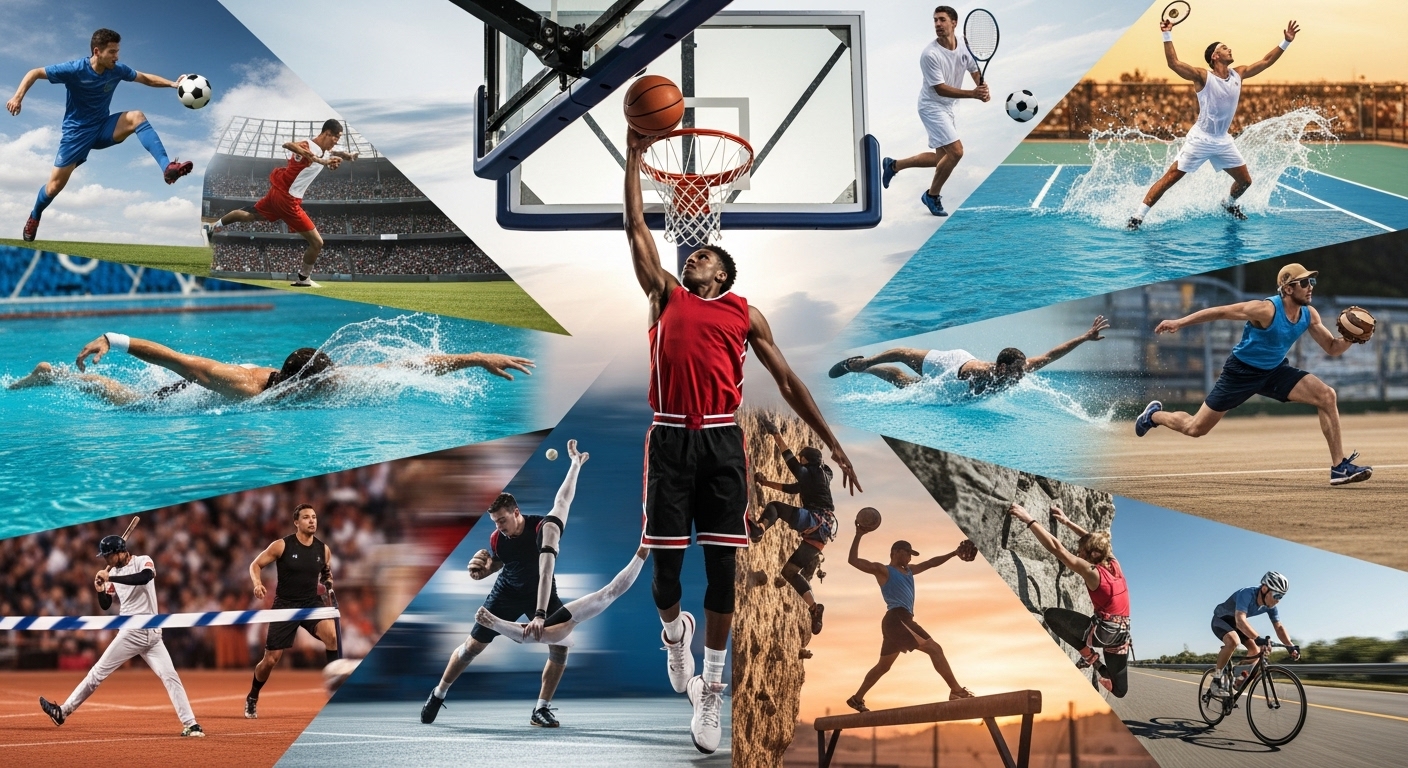
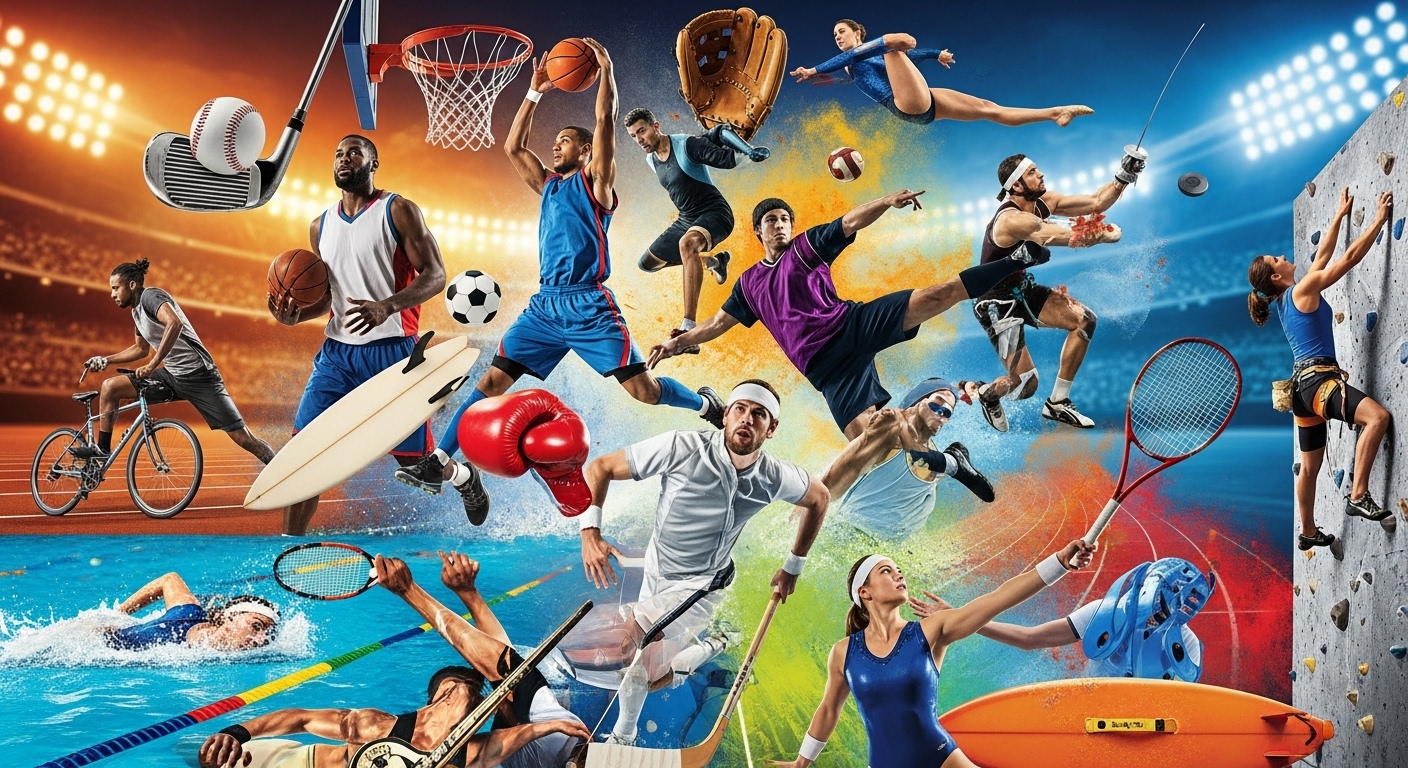
Sports have always been an integral part of human society, transcending cultures, languages, and generations. From ancient Olympic contests to modern-day professional leagues, sports are more than physical contests; they are a reflection of human ambition, discipline, and creativity. They provide entertainment, inspire passion, and foster community. Beyond the thrill of competition, sports play a crucial role in education, health, and social development. Understanding the multifaceted impact of sports reveals why they remain an enduring element of human culture.
The Evolution of Sports Through History
The history of sports dates back thousands of years. Ancient civilizations developed competitive games as a way to showcase physical skill and celebrate cultural values. The Greeks formalized athletic contests with the Olympic Games, emphasizing discipline, honor, and excellence. Similarly, societies around the world cultivated sports that reflected local traditions, from martial arts in Asia to wrestling in Africa. Over time, technological advancements and globalization have transformed sports into highly organized competitions with professional athletes, international audiences, and complex regulations. This evolution reflects the human desire for challenge, entertainment, and connection.
The Physical and Mental Benefits of Sports
Participating in sports provides significant physical benefits, including improved cardiovascular health, muscular strength, flexibility, and endurance. Regular exercise through sports reduces the risk of chronic illnesses such as obesity, diabetes, and heart disease. Beyond physical health, sports also enhance mental well-being. They help manage stress, improve mood, build self-confidence, and foster resilience. Team sports, in particular, teach cooperation, communication, and empathy, equipping participants with skills that extend far beyond the playing field.
Sports as a Tool for Education and Personal Growth
Sports are not only recreational activities but also powerful tools for personal development. They teach discipline, time management, perseverance, and goal-setting. Athletes learn to handle victory and defeat with grace, developing emotional intelligence that serves them in every aspect of life. Educational institutions around the world recognize the value of sports in shaping character and often integrate athletic programs into curricula. From youth leagues to collegiate teams, sports provide structured environments where individuals can develop both physically and mentally while pursuing personal and academic goals.
The Role of Professional Athletes
Professional athletes are more than performers; they are role models, ambassadors, and influencers. They dedicate their lives to training, honing skills, and pushing the limits of human performance. Beyond their physical abilities, successful athletes exhibit focus, discipline, and strategic thinking. Their achievements inspire millions, motivating young people to pursue dreams and adopt healthy lifestyles. Moreover, athletes often use their platforms to advocate for social causes, influence cultural trends, and raise awareness about important issues, further highlighting the broader impact of sports on society.
The Economic Impact of Sports
Sports have a profound economic influence on communities, cities, and nations. Professional leagues, tournaments, and events generate revenue through ticket sales, merchandising, broadcasting rights, and sponsorships. Major sporting events, such as the Olympics, World Cup, or international championships, can boost local economies through tourism, infrastructure development, and job creation. Beyond direct financial benefits, sports industries create employment opportunities in coaching, journalism, marketing, and event management. The economic significance of sports demonstrates their power not just as entertainment but as drivers of growth and development.
Sports as a Unifying Force
One of the most remarkable aspects of sports is their ability to unite people. Regardless of background, ethnicity, or nationality, sports provide a shared experience that fosters connection and camaraderie. Fans gather in stadiums, homes, and public spaces to support their teams, creating a sense of belonging and collective identity. International competitions bring countries together, promoting cultural exchange and mutual respect. Sports have a unique ability to bridge divides, offering a universal language that transcends politics, religion, and social barriers.
The Influence of Technology in Modern Sports
Technology has transformed the way sports are played, analyzed, and consumed. Advanced equipment enhances athletic performance, while data analytics and video analysis allow teams to strategize and improve efficiency. Broadcasting innovations enable fans worldwide to watch games live, with high-definition visuals, multiple camera angles, and real-time statistics. Digital platforms also allow audiences to engage with sports communities, participate in fantasy leagues, and access in-depth content. Technology continues to shape the evolution of sports, making it more immersive, interactive, and accessible than ever before.
Women in Sports: Breaking Barriers
The participation of women in sports has grown significantly over the past century. Female athletes have overcome social and cultural barriers, proving that skill, determination, and dedication know no gender. Women now compete at the highest levels in a wide range of disciplines, from football and basketball to athletics and tennis. Their achievements have inspired generations, challenged stereotypes, and advanced gender equality in sports and society. Continued investment, media coverage, and support are essential to ensure that women’s sports receive the recognition and opportunities they deserve.
The Social and Cultural Impact of Sports
Sports extend beyond the field to influence society and culture in profound ways. They shape national identity, inspire artistic expression, and influence fashion, music, and media. Sporting heroes often become symbols of perseverance and hope, while memorable matches can unite communities in celebration or reflection. Sports also provide a platform for social change, allowing athletes, teams, and organizations to address pressing issues such as inequality, environmental concerns, and public health. The cultural resonance of sports illustrates their role as more than games—they are instruments of expression and transformation.
Youth Engagement and Development Through Sports
Engaging youth in sports is critical for fostering healthy lifestyles and social skills. Organized programs, recreational leagues, and school teams provide safe spaces for children to explore physical activity, teamwork, and leadership. Early participation in sports teaches resilience, problem-solving, and ethical conduct, creating a foundation for future success both on and off the field. Communities that prioritize youth sports often experience long-term benefits, including reduced crime rates, stronger social cohesion, and improved educational outcomes. Investing in youth sports is an investment in the next generation.
Challenges Facing Sports Today
Despite its many benefits, sports face numerous challenges in the modern era. Issues such as doping, corruption, and match-fixing threaten the integrity of competitions. Over-commercialization and excessive pressure on athletes can lead to mental health concerns and burnout. Inequalities in access to resources, facilities, and opportunities continue to limit participation for marginalized communities. Addressing these challenges requires collaborative efforts from governing bodies, communities, and stakeholders to ensure that sports remain fair, inclusive, and sustainable.
The Future of Sports
The future of sports is dynamic and exciting. Emerging technologies, global connectivity, and evolving social attitudes will continue to shape participation, viewership, and management. Esports and digital competitions are expanding the definition of sports, attracting new audiences and redefining athletic performance. Greater emphasis on inclusivity, health, and ethical governance will enhance accessibility and sustainability. The enduring appeal of sports lies in its ability to adapt, inspire, and unite, ensuring that it remains a vital part of human life for generations to come.
Conclusion: The Enduring Legacy of Sports
Sports are far more than a form of entertainment; they are a powerful force for personal growth, social cohesion, and cultural expression. They challenge individuals to excel, communities to unite, and societies to evolve. Whether through the triumph of an athlete, the excitement of a match, or the shared pride of a nation, sports leave an indelible mark on the world. As long as people seek challenge, joy, and connection, sports will continue to thrive, shaping lives and leaving a legacy that extends far beyond the field.