




Introduction: More Than a Game
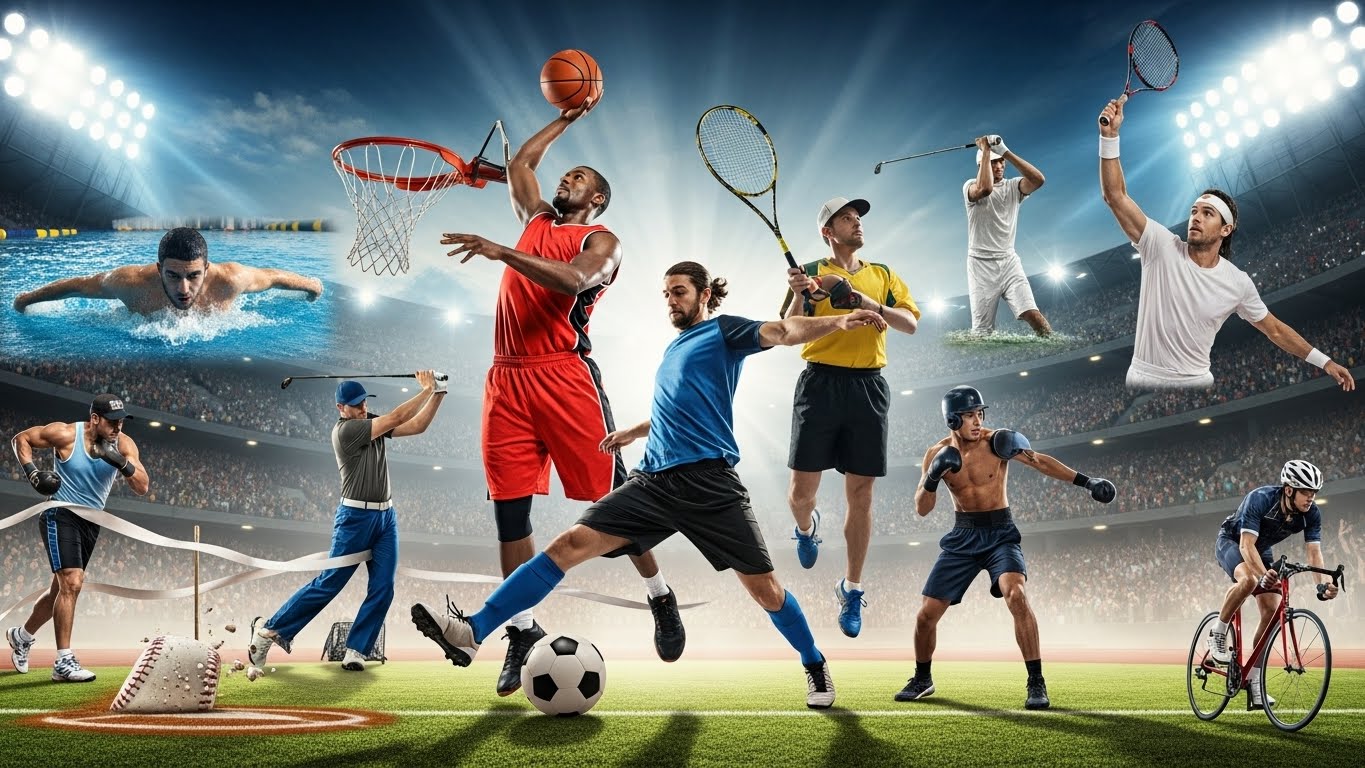
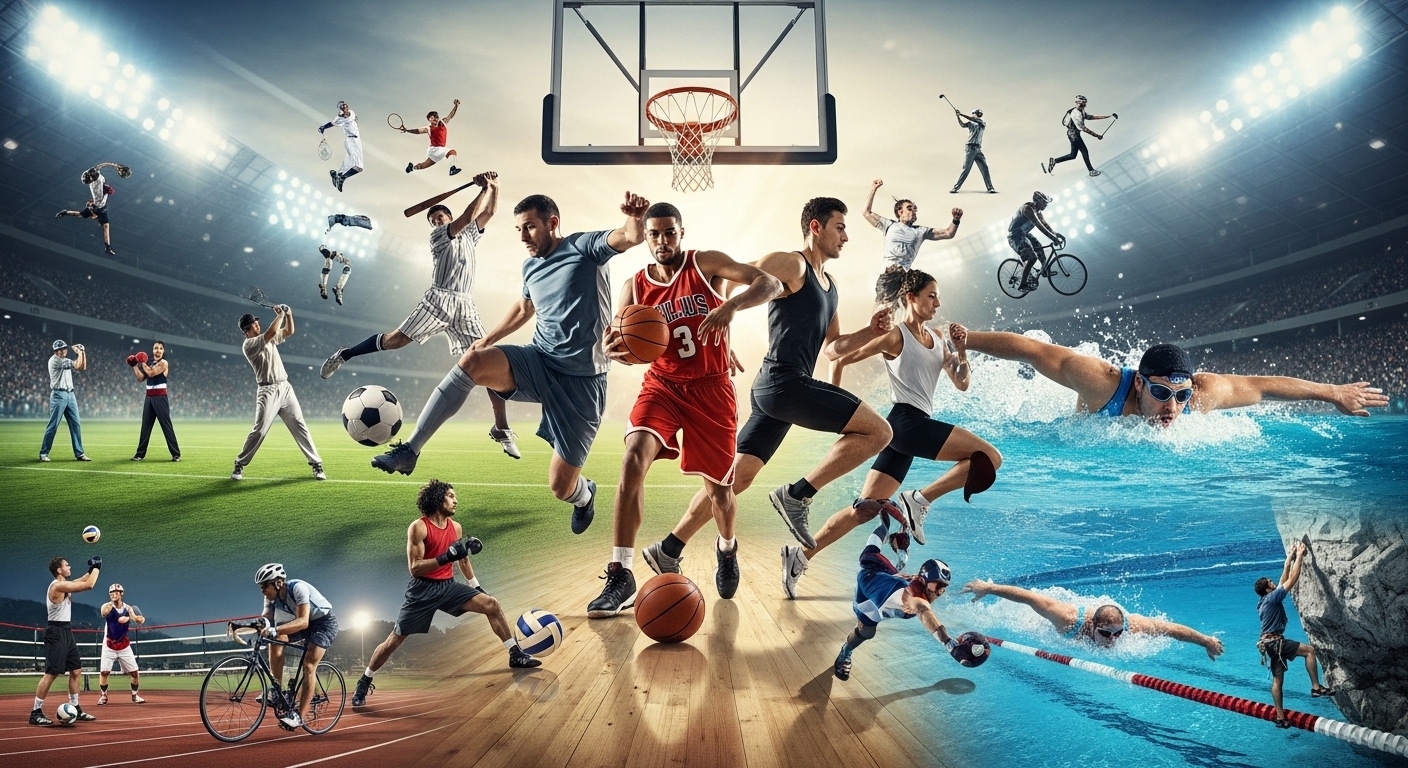
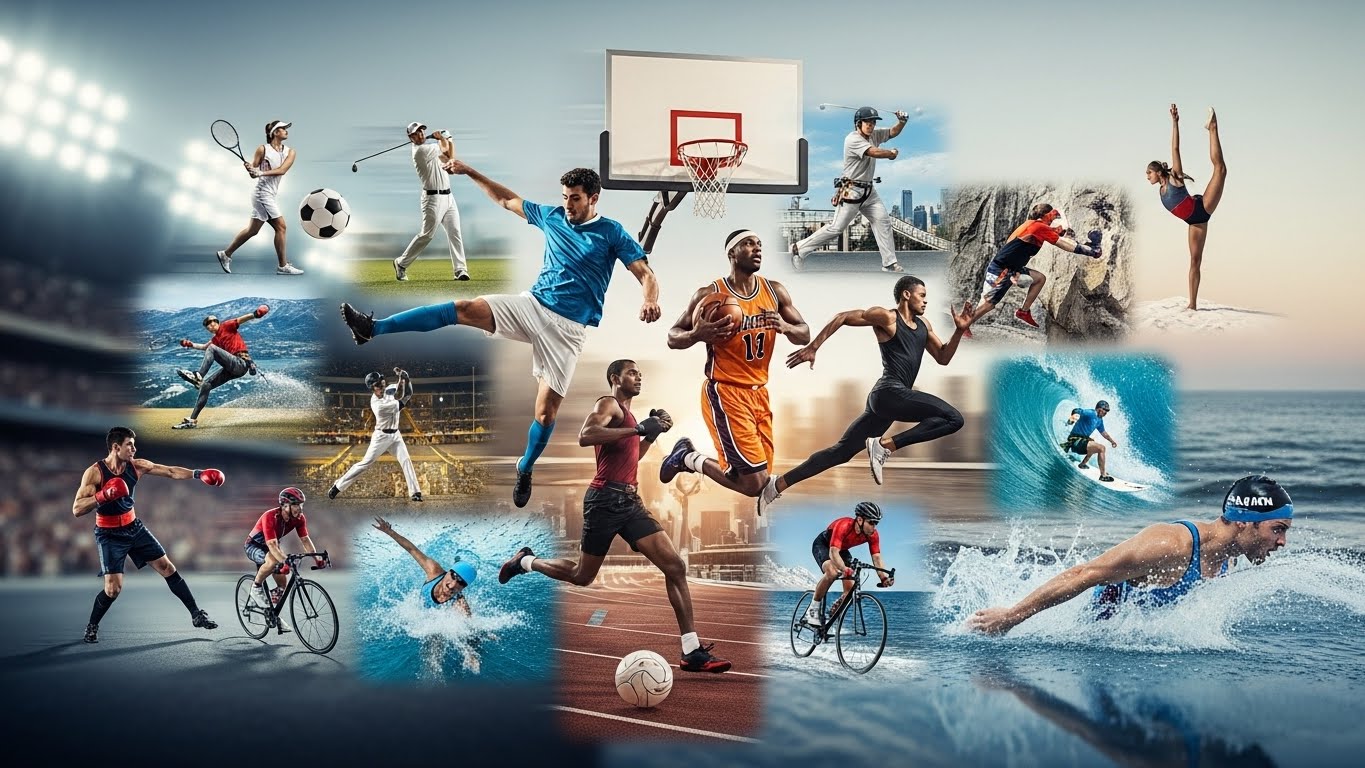
Sports have always been more than a contest of points, goals, or runs. From dusty village fields to glittering international arenas, sports represent a shared human language that crosses borders, cultures, and generations. They bring together people who may differ in background, belief, or lifestyle, yet unite them in moments of anticipation, joy, heartbreak, and pride. While the final score often grabs attention, the deeper impact of sports lies in how they influence character, build communities, and reflect society itself.
The Roots of Sports in Human History
The origins of sports can be traced back thousands of years, long before modern stadiums and televised events. Ancient civilizations organized physical contests to honor gods, train warriors, and celebrate human strength and skill. These early competitions were not only displays of athletic ability but also social events that reinforced values such as discipline, honor, and respect. Over time, sports evolved alongside societies, adapting to new cultures while retaining their core purpose of testing human limits and fostering unity.
Sports as a School of Character
One of the most powerful roles of sports is their ability to shape character. Participation in sports teaches lessons that extend far beyond the playing field. Athletes learn the importance of discipline through regular training and commitment. They understand teamwork by relying on others and being accountable for their own role. Losses teach resilience, humility, and the ability to rise again after failure, while victories encourage confidence without arrogance. These qualities often carry into personal and professional life, making sports an informal but effective school of character.
The Emotional Connection Between Fans and Teams
For fans, sports are deeply emotional. Supporting a team is often a lifelong relationship that begins in childhood and is passed down through families. Victories can feel personal, bringing joy that lights up entire communities, while defeats can leave a lingering sense of disappointment. This emotional investment creates strong bonds among fans who may never meet but feel connected through shared loyalty. In many ways, sports fandom provides a sense of belonging that modern life often lacks.
Sports and Cultural Identity
Sports frequently serve as a mirror of cultural identity. Certain games become closely associated with specific regions or nations, symbolizing local values and traditions. When athletes represent their country or community, they carry more than just a uniform; they carry history, pride, and expectation. Major sporting events often become moments of national celebration or reflection, shaping how societies see themselves and how they are seen by others. Through sports, culture is not only preserved but also shared with the world.
The Role of Sports in Youth Development
For young people, sports can be a powerful influence during formative years. They provide structure, purpose, and a healthy outlet for energy and emotion. Participation in sports encourages physical fitness while also supporting mental well-being. Young athletes learn to manage pressure, set goals, and balance competition with fairness. Coaches often become mentors, guiding children not only in technique but also in life choices. In many cases, sports offer opportunities and direction that might otherwise be out of reach.
Professional Sports and Modern Society
In the modern era, professional sports have grown into a global industry. Athletes are celebrated as icons, leagues generate massive economic activity, and events draw audiences from around the world. While commercialization has brought resources and visibility, it has also introduced challenges such as intense pressure, media scrutiny, and ethical concerns. Despite this, professional sports continue to inspire millions, showcasing extraordinary dedication, skill, and perseverance at the highest level.
Sports as a Tool for Social Change
Sports have often played a role in addressing social issues and promoting change. Athletes and teams have used their platforms to raise awareness about inequality, discrimination, and injustice. Sporting events can bring attention to causes that might otherwise be ignored, sparking conversations that extend beyond the arena. While opinions may differ on the role of activism in sports, there is no denying that sports possess a unique ability to reach large audiences and influence public dialogue.
The Mental Side of Competition
Behind every physical performance lies a complex mental battle. Confidence, focus, and emotional control often determine success as much as strength or speed. Athletes must learn to handle pressure, expectations, and setbacks while maintaining motivation. The mental demands of sports highlight the importance of psychological resilience and self-belief. As awareness of mental health grows, sports are increasingly recognized as both a challenge and a support system for mental well-being.
Community and Grassroots Sports
While elite competitions capture headlines, grassroots sports form the foundation of athletic culture. Local clubs, school teams, and community leagues provide access and opportunity for people of all ages. These environments emphasize participation, enjoyment, and connection rather than fame or profit. Grassroots sports strengthen communities by bringing people together, encouraging volunteerism, and promoting healthy lifestyles. They remind us that the true spirit of sports lives at every level.
Technology and the Evolution of Sports
Technology has transformed how sports are played, watched, and understood. Advances in equipment, training methods, and performance analysis have pushed athletic limits further than ever before. Fans experience games through enhanced broadcasts, detailed statistics, and immersive viewing options. While technology improves fairness and precision, it also raises questions about tradition and balance. The ongoing challenge is to embrace innovation without losing the human element that makes sports meaningful.
The Universal Language of Sports
One of the most remarkable qualities of sports is their universality. A game can be understood and appreciated without sharing a spoken language. A brilliant play, a dramatic comeback, or a display of sportsmanship resonates across cultures. This universal appeal allows sports to act as a bridge between people, fostering mutual respect and understanding. In a divided world, sports often provide rare moments of collective experience and shared emotion.
Conclusion: Why Sports Will Always Matter
Sports endure because they reflect who we are and who we aspire to be. They celebrate human potential, teach valuable life lessons, and create connections that transcend differences. Whether played in a packed stadium or an open field, sports continue to shape character, culture, and community. Long after the final whistle, their influence remains, reminding us that the true value of sports lies not just in winning, but in the journey, the lessons, and the shared human spirit behind every game.