




Introduction: The Global Appeal of Sports
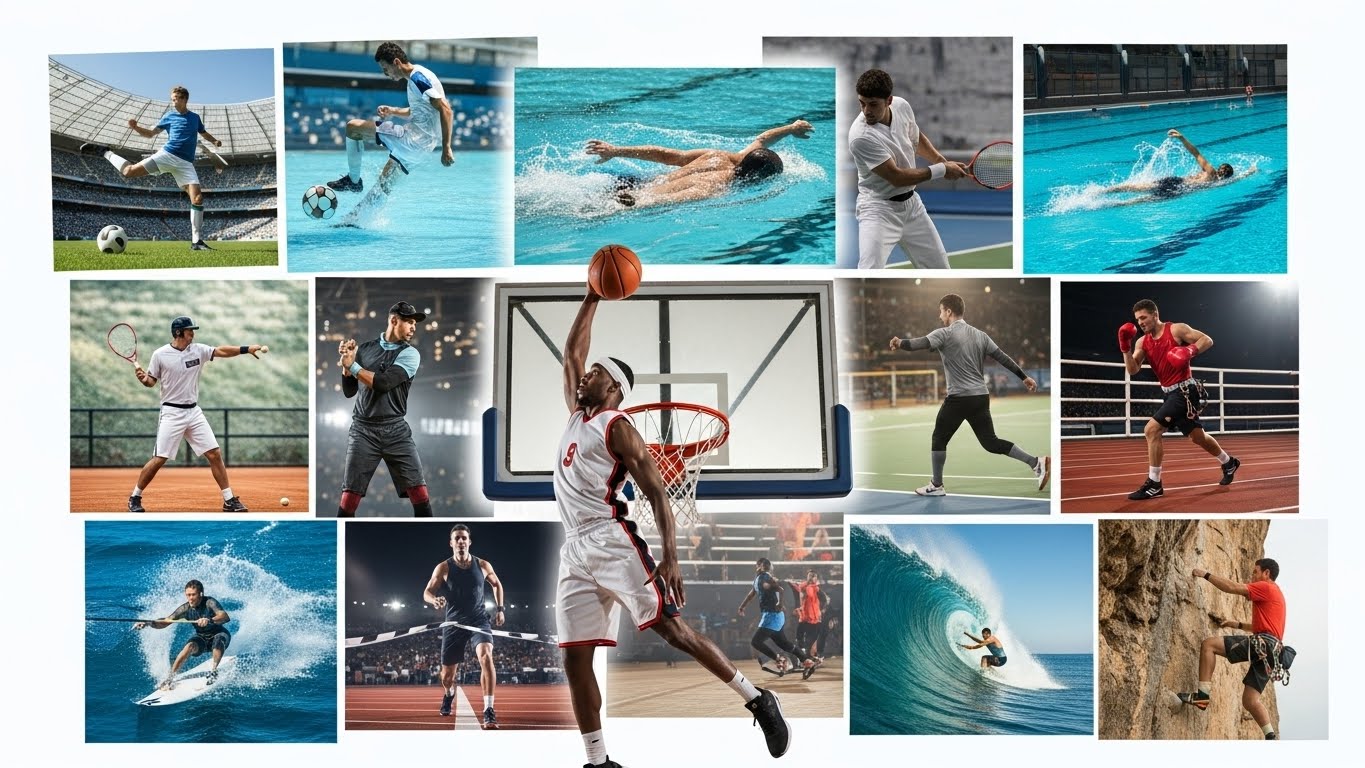
Sports have been an integral part of human culture for centuries. They provide not only a means of physical exercise but also a platform for cultural exchange, personal development, and social cohesion. From the most popular global sports like soccer and basketball to regional favorites like cricket or rugby, sports serve as a universal language that transcends geographical boundaries and unites people from different backgrounds and walks of life. Whether you are a player, a coach, or a spectator, sports offer a unique blend of excitement, competition, and camaraderie that fosters a sense of belonging and shared purpose.
The transformative power of sports goes beyond mere entertainment. It has the ability to shape societies, influence social norms, and create lasting memories for individuals. In this blog post, we’ll explore how sports impact individuals, communities, and the world at large, and why they continue to be one of the most powerful forces in the modern world.
The Early Beginnings of Organized Sports
Sports have existed in various forms since ancient civilizations. The Greeks are often credited with developing the first organized sports with the inception of the Olympic Games around 776 BC. These games were not just a celebration of athletic prowess but also a manifestation of the Greek ideals of physical fitness, competition, and unity. The ancient Romans also embraced sports, particularly gladiatorial combat, chariot races, and wrestling, which were not just recreational activities but symbolic of power, glory, and strength.
In the Middle Ages, many forms of organized sports were reserved for the elite, and activities like jousting and archery were often used to demonstrate skill and courage. However, as societies began to evolve, particularly in the 19th century, sports began to be democratized. It was during this period that modern sports as we know them today began to take shape. Football (soccer), cricket, baseball, and rugby all emerged as organized sports, with rules and standardized competitions.
Sports as a Tool for Physical and Mental Health
Engaging in sports has undeniable benefits for physical health. Regular physical activity improves cardiovascular health, increases muscle strength, enhances flexibility, and boosts overall fitness levels. It helps in reducing the risk of chronic diseases like obesity, diabetes, and hypertension. For athletes, maintaining peak physical form is essential, but for non-professionals, playing sports offers a great way to stay in shape while also having fun.
Mental health is another area where sports have a profound impact. The mental discipline and resilience developed through training and competition can help reduce stress, anxiety, and depression. Participating in sports also promotes the release of endorphins, the brain’s “feel-good” chemicals, which can boost mood and alleviate symptoms of mental health disorders. The sense of accomplishment that comes with achieving personal goals or excelling in a sport can significantly improve self-esteem and confidence.
Additionally, team sports, in particular, foster social interaction and create strong bonds between individuals. They teach essential life skills such as teamwork, communication, and leadership, which are invaluable both on and off the field. For many people, sports act as an escape from daily pressures, offering a healthy outlet for emotions and a way to maintain mental equilibrium.
Sports and Cultural Exchange: A Bridge Between Nations
Sports have the power to connect people from all corners of the globe, offering a unique opportunity for cultural exchange and understanding. International competitions like the FIFA World Cup, the Olympic Games, and the Rugby World Cup bring together athletes and fans from diverse backgrounds, creating a space for different cultures to interact. These events not only showcase athletic talent but also promote mutual respect, unity, and peace.
For example, the 2008 Beijing Olympics were a celebration of China’s cultural heritage, while also providing a platform for the world to come together and appreciate different cultures. Similarly, the FIFA World Cup has become a global festival, with people from all walks of life coming together to support their teams, share their cultures, and experience the thrill of the sport. In this sense, sports serve as a universal language that transcends borders and helps break down barriers of race, ethnicity, and nationality.
The Social Impact of Sports: Building Communities
Beyond individual benefits, sports play a crucial role in building and strengthening communities. Local sports clubs and leagues provide a sense of identity and belonging for people, especially in smaller towns and neighborhoods. Whether it’s a youth soccer team, a recreational basketball league, or a weekend cycling group, these activities create spaces for people to interact, develop friendships, and work toward common goals.
Moreover, sports can help address social issues by bringing attention to pressing problems such as inequality, racism, and gender discrimination. Initiatives like the “Kick It Out” campaign in English football and the #MeToo movement in sports have shown the power of athletics to raise awareness and spark social change. Athletes, given their visibility and influence, often become advocates for change and use their platforms to address issues that matter to them and their communities.
Sports also provide opportunities for young people, especially those from disadvantaged backgrounds, to build discipline, character, and resilience. By offering mentorship and the possibility of upward mobility, sports can serve as a powerful tool for social mobility. Programs that offer training and competitive opportunities to at-risk youth often see improvements in school performance, behavior, and personal development.
The Commercialization of Sports: The Business Side of the Game
As sports have evolved, they have increasingly become big business. Professional leagues like the NFL, NBA, and English Premier League have become multi-billion-dollar industries, with lucrative television rights, sponsorships, merchandise sales, and endorsements fueling their growth. Athletes, too, have become global icons with massive earning potential through sponsorships, product placements, and media appearances.
The commercialization of sports has had both positive and negative effects. On the one hand, it has enabled athletes to make a living from their passion, provided jobs for thousands of people involved in sports production, and contributed to the economic growth of cities and countries through tourism and event hosting. On the other hand, it has raised concerns about the increasing commercialization of sports, with some arguing that the focus on profit has led to the exploitation of athletes and the undermining of the spirit of competition.
For example, the enormous wealth in top-tier sports has created a divide between the “elite” athletes and those in lower-tier leagues, where financial struggles persist. While athletes at the top of their games can earn hundreds of millions of dollars, many in smaller leagues, youth programs, and grassroots sports organizations face financial constraints that limit their potential. Despite these challenges, the commercial success of sports has led to improvements in infrastructure, technology, and facilities, which have enhanced the quality of the game.
The Evolution of Women in Sports: Breaking Barriers
The journey of women in sports has been long and often difficult, but significant progress has been made over the past century. Historically, women were discouraged from participating in many sports, as societal norms dictated that women should focus on domestic duties rather than athletic pursuits. However, with the rise of feminist movements and increased gender equality, more women have broken into male-dominated sports, and new sports leagues have been established to promote female athletes.
The 1960s and 1970s saw the first major steps toward gender equality in sports, with the establishment of Title IX in the United States, which prohibited discrimination based on sex in educational programs, including athletics. This legislation opened doors for many women to participate in sports at the collegiate level and beyond.
Today, women’s sports are gaining more recognition and support. The success of athletes like Serena Williams, Simone Biles, and Megan Rapinoe has not only highlighted the extraordinary talent of female athletes but also sparked conversations around gender pay disparity, representation, and respect in the sporting world. While there is still much work to be done to ensure equal opportunities and pay for female athletes, the progress made in recent decades has been nothing short of transformative.
The Future of Sports: Innovation and Technology
The future of sports is closely tied to the evolution of technology. From advancements in training techniques and equipment to the integration of digital platforms for streaming and fan engagement, technology is reshaping the way we experience and participate in sports. Virtual reality (VR) and augmented reality (AR) are providing new ways for fans to experience games from the comfort of their homes, while wearable technology allows athletes to monitor their performance in real-time.
Esports, or competitive video gaming, has also emerged as a major player in the sports world. With a global following and professional leagues, esports offers a new dimension to sports entertainment that attracts younger, tech-savvy audiences. The growth of esports highlights how sports continue to adapt to the digital age, providing new opportunities for fans and athletes alike.
In the coming years, it is likely that sports will continue to evolve, driven by innovations in technology, changing societal norms, and increasing global interconnectedness. One thing is certain: the power of sports to unite, inspire, and transform will remain as strong as ever.
Conclusion: The Enduring Power of Sports
Sports, in all their forms, remain one of the most powerful and transformative forces in society. Whether through fostering personal growth, uniting people from different cultures, or promoting social change, sports have a unique ability to shape individuals and communities for the better. As we look to the future, the role of sports will continue to expand, driven by technology, innovation, and the universal appeal of competition and camaraderie.
For fans, players, and communities alike, sports will always be more than just a game. They are a celebration of the human spirit, a testament to the power of teamwork, and a reminder that we are all connected by our shared love of the game.