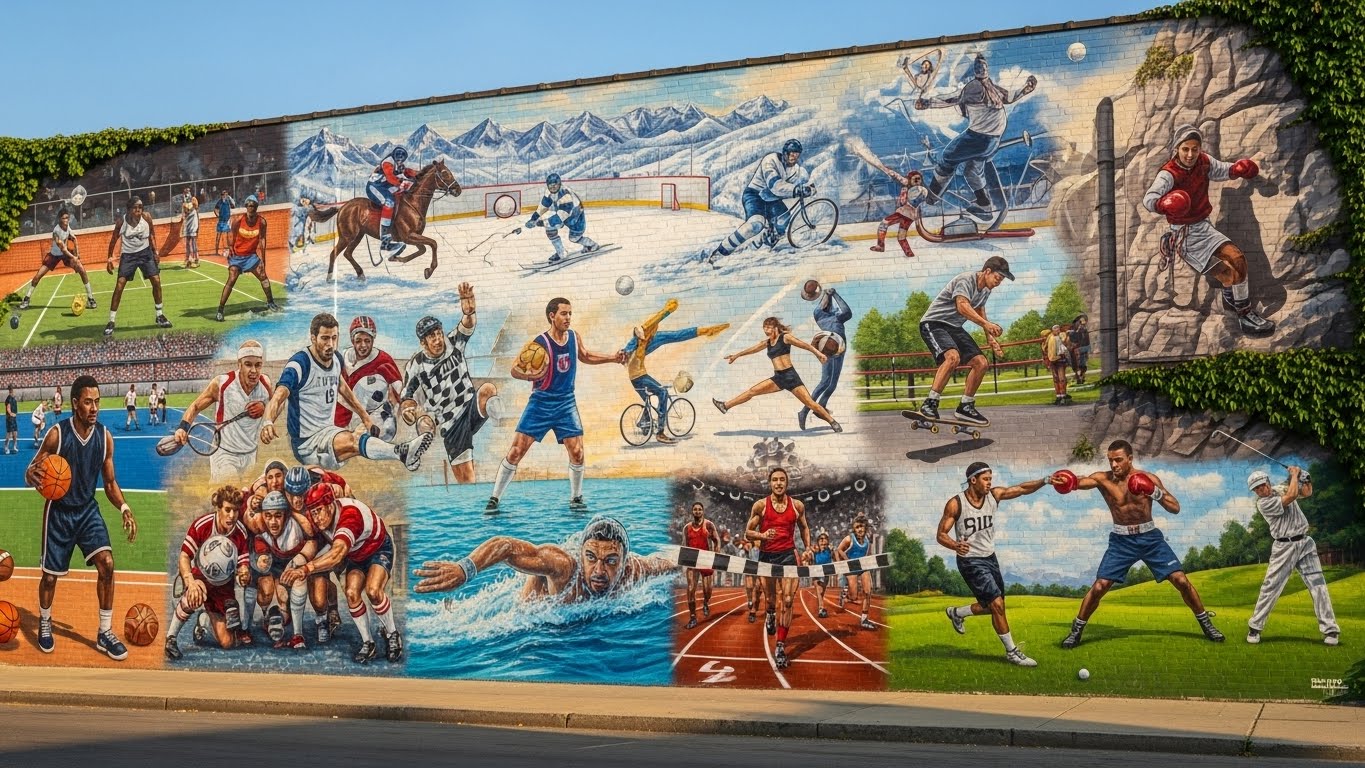





Introduction: The Universal Language of Sports
Sports have always held a unique place in human society. From ancient civilizations to modern cities, sports have transcended boundaries of culture, language, and geography. They are not just games; they are reflections of society, expressions of human ambition, and a medium through which we explore physical and mental limits. Sports inspire teamwork, discipline, and resilience, making them far more than recreational activities. While watching a game may appear simple, the underlying dynamics of sports shape personal growth and societal development in profound ways.
The Evolution of Sports
The history of sports is as old as human civilization. Archaeological evidence suggests that early humans engaged in competitive activities for both entertainment and survival. Traditional sports like wrestling, archery, and running evolved into structured games with rules, leagues, and global competitions. Ancient Greece, for instance, celebrated the Olympic Games, emphasizing not only physical prowess but also honor, strategy, and cultural exchange. Over centuries, sports have grown more sophisticated, integrating technology, analytics, and science to optimize performance. Today, sports are a global industry that combines entertainment, economics, and international diplomacy, yet at its core, it remains an expression of human potential.
The Psychological Impact of Sports
Participating in sports provides more than physical benefits; it significantly impacts mental well-being. Regular engagement in physical activity is known to reduce stress, anxiety, and depression. It promotes the release of endorphins, which are natural mood elevators. Beyond individual health, sports foster a sense of belonging. Team sports, for example, teach collaboration, communication, and empathy. Winning and losing in sports also cultivate resilience and adaptability, preparing individuals to face challenges in daily life. These psychological benefits extend to spectators as well, who experience excitement, anticipation, and community identity when supporting their favorite teams or athletes.
Sports as a Tool for Social Change
Sports have historically been a powerful platform for social transformation. From breaking racial barriers to promoting gender equality, athletes have often become catalysts for change. Iconic figures have used their platforms to challenge discrimination, raise awareness, and inspire movements for justice. Sports programs in schools and communities also provide opportunities for marginalized groups, offering pathways to education, personal development, and social mobility. The influence of sports on society demonstrates that the field is more than just competition; it is a reflection of societal values and a means to challenge norms.
Physical Benefits of Sports
The physical benefits of sports are widely recognized, yet their impact goes deeper than muscle strength or cardiovascular health. Regular participation in sports enhances coordination, flexibility, and stamina. It helps maintain healthy weight, prevents chronic illnesses, and strengthens bones and muscles. Additionally, sports improve reflexes and motor skills, which are crucial not only in athletic performance but in daily life activities. The commitment to a physical regimen also teaches discipline, goal setting, and time management. Engaging in sports creates a holistic approach to physical health, combining fitness, endurance, and skill development in a way that few other activities can match.
The Role of Sports in Education
Education and sports share a symbiotic relationship. Sports are integral to holistic learning, instilling qualities like leadership, teamwork, and perseverance. Schools and colleges incorporate sports into their curricula to foster discipline and social skills among students. Competitive sports in educational institutions also teach strategic thinking, problem-solving, and decision-making under pressure. Beyond individual development, sports in education cultivate school spirit and community engagement, uniting students, faculty, and families. This combination of physical and mental development is why sports are not just extracurricular activities; they are essential to producing well-rounded individuals.
Sports and Cultural Identity
Sports often carry cultural significance and serve as a symbol of national pride. Traditional sports, local tournaments, and international events reflect cultural heritage and shared identity. For instance, cricket in India, soccer in Brazil, and sumo wrestling in Japan are more than just games—they are cultural phenomena that unify communities and define national character. Global sports events like the Olympics or the World Cup transcend individual nations, promoting cultural exchange and international understanding. In essence, sports act as a bridge between tradition and modernity, creating a shared language that fosters respect and appreciation across cultures.
Economic Impact of Sports
The economic influence of sports is enormous, extending from local communities to global markets. Professional leagues generate employment, stimulate tourism, and drive media and merchandise industries. Hosting international sporting events often boosts infrastructure development and local economies. Sports also offer career opportunities beyond athletes, including coaching, sports management, sports medicine, and analytics. Even grassroots programs contribute economically by creating jobs and encouraging participation in health-related industries. The financial ecosystem around sports underscores its multifaceted value—not just as entertainment, but as a driver of economic growth and innovation.
Technological Advancements in Sports
Technology has revolutionized the way sports are played, viewed, and analyzed. From advanced training equipment to performance analytics, technology enhances athletic performance and safety. Wearable devices track heart rate, speed, and movement patterns, enabling personalized training regimens. Instant replay and video-assisted refereeing ensure fairness and accuracy in competitions. Virtual reality and augmented reality have introduced immersive fan experiences, allowing spectators to engage with games like never before. The integration of technology in sports demonstrates how innovation can complement tradition, ensuring that sports continue to evolve while preserving their core values.
The Future of Sports
The future of sports promises a blend of tradition and innovation. With increasing awareness about mental and physical health, sports will continue to emphasize holistic well-being. Emerging technologies will make training more precise, fan experiences more interactive, and competitions more equitable. Socially, sports will remain a platform for inclusion, empowerment, and global collaboration. Environmental sustainability is also gaining attention, prompting leagues and organizations to adopt eco-friendly practices. The future of sports is not just about breaking records or winning medals—it is about nurturing human potential, fostering community, and inspiring positive change worldwide.
Conclusion: More Than a Game
Sports are much more than physical contests; they are a reflection of human aspiration, resilience, and creativity. They impact mental and physical health, social cohesion, economic growth, and cultural identity. Sports teach invaluable life lessons in discipline, teamwork, leadership, and perseverance. They provide a platform for social change and global unity, proving that the influence of sports extends far beyond stadiums and playing fields. In every sprint, tackle, and goal, sports remind us of the limitless potential within ourselves and the shared bonds that connect humanity. Embracing sports is not just about participation or fandom—it is about recognizing the profound role they play in shaping individuals, communities, and the world at large.