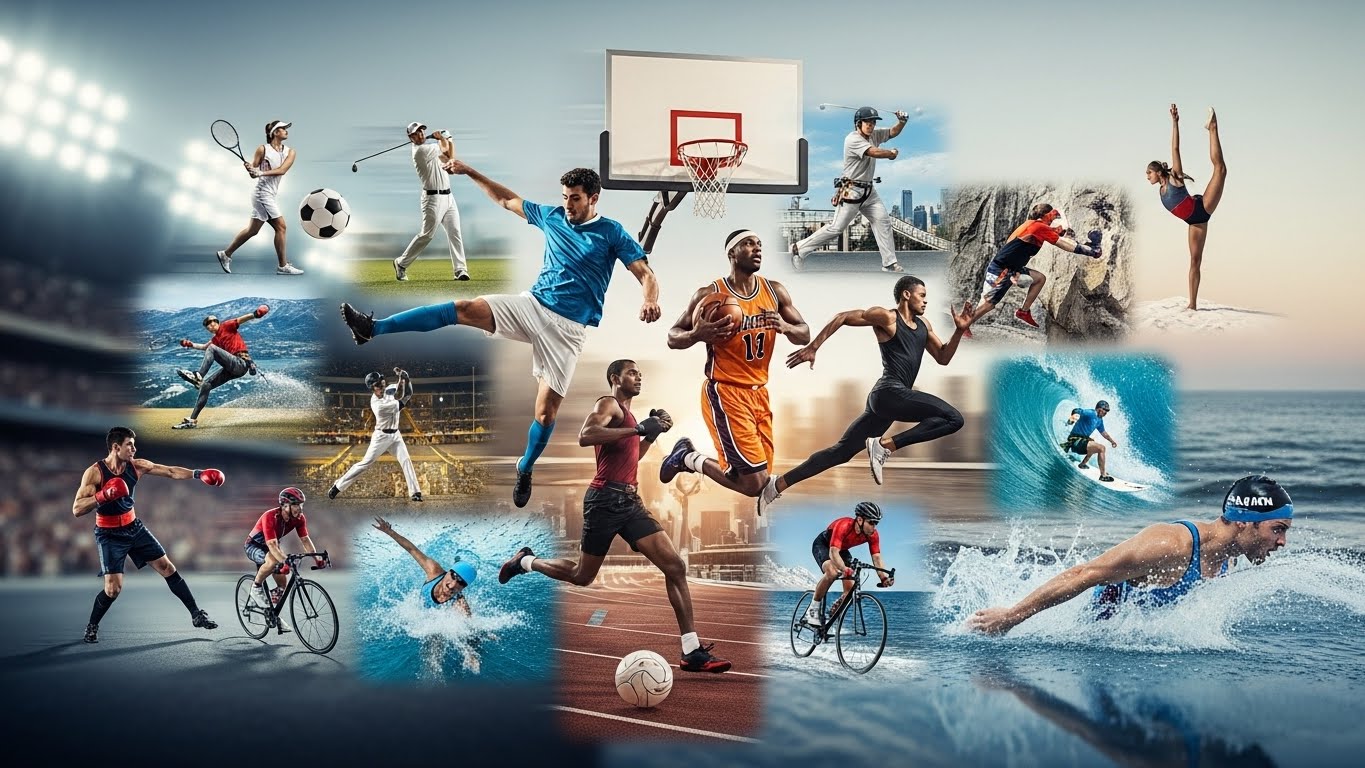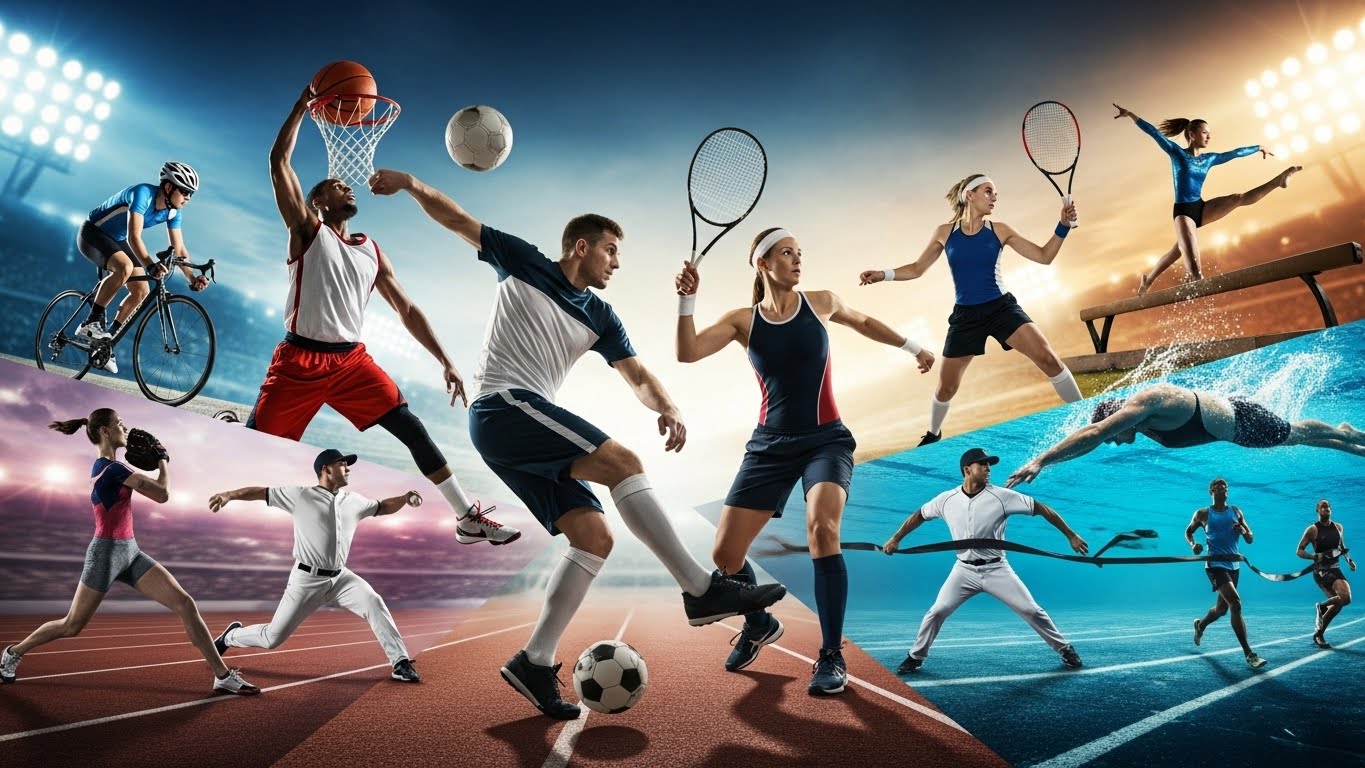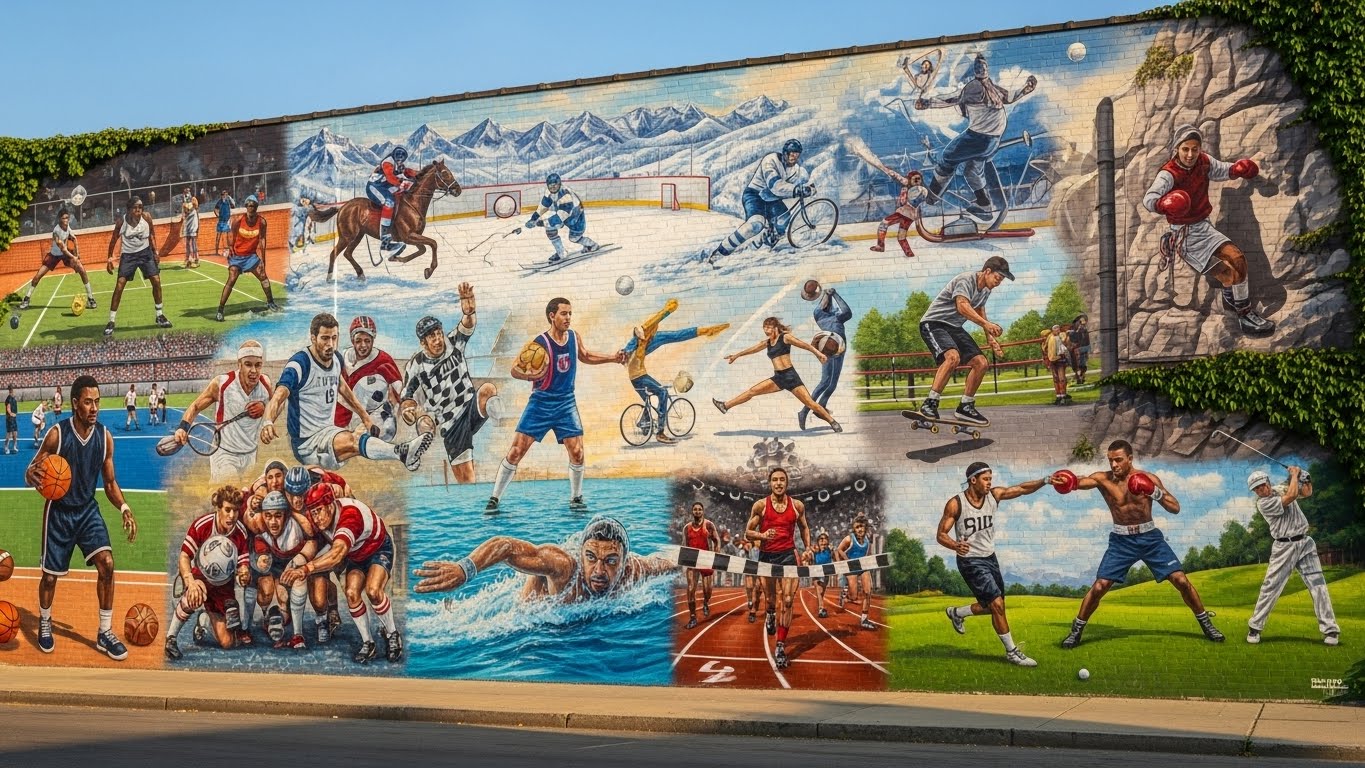






Sports have always held a unique place in human society. From the ancient Olympic Games in Greece to modern professional leagues spanning every continent, sports are much more than just games—they are a reflection of culture, a catalyst for personal growth, and a powerful tool for uniting communities. The world of sports encompasses diverse disciplines, varying from high-intensity contact sports like football and rugby to precision-based games like archery and golf. Each sport carries its own history, rules, and significance, but collectively, they contribute to shaping the physical, mental, and social fabric of human life.
A Historical Perspective on Sports
The history of sports dates back thousands of years. Early civilizations recognized the importance of physical activity, both for survival and recreation. In Ancient Greece, athletic competitions were not only entertainment but also a demonstration of physical excellence and moral virtue. The Olympic Games, which began in 776 BCE, became a central part of Greek culture, emphasizing fair competition, discipline, and honor. Similarly, in ancient China and Egypt, sports like wrestling, archery, and chariot racing were integral to social and ceremonial life.
As societies evolved, so did sports. In medieval Europe, tournaments and jousts provided both spectacle and skill development for knights. In contrast, team-based games such as football began gaining structure and formalization during the 19th century, setting the stage for modern sports leagues and international competitions. Understanding this historical context shows that sports are deeply embedded in human culture, transcending mere physical activity to become a marker of identity, tradition, and community.
The Social Impact of Sports
One of the most significant aspects of sports is its social influence. Sports serve as a bridge between communities, bringing people from diverse backgrounds together. Stadiums and arenas are spaces where shared passion overrides social, economic, or cultural differences. Fans rally behind their favorite teams and athletes, creating a sense of belonging and collective pride.
Moreover, sports can serve as a platform for social change. Many athletes have leveraged their influence to address pressing social issues, such as racial equality, gender representation, and environmental sustainability. For instance, major sports leagues have implemented initiatives promoting inclusion, mental health awareness, and youth development programs. At the grassroots level, local sports clubs encourage participation, teaching essential life skills such as teamwork, discipline, and resilience. In essence, sports contribute to societal cohesion while fostering personal development and civic responsibility.
The Evolution of Popular Sports
Football: The Global Game
Football, or soccer as it is known in some countries, is arguably the most popular sport worldwide. Its simplicity—requiring only a ball and an open space—has allowed it to transcend borders and cultures. Over the decades, football has evolved in technique, strategy, and professionalism. Modern football emphasizes not just physical endurance but also tactical awareness, technical skill, and psychological resilience.
Major tournaments like the FIFA World Cup and UEFA Champions League draw billions of viewers, making football a global spectacle. The sport has also been a platform for individual stories of triumph and adversity. From legendary players overcoming humble beginnings to teams achieving historic victories, football continues to captivate audiences worldwide.
Basketball: A Fast-Paced Phenomenon
Basketball, with its rapid gameplay and high-scoring matches, has become a defining feature of modern sports culture. Originating in 1891, basketball has expanded from a simple indoor game to a multi-billion-dollar global industry. Professional leagues like the NBA have set standards for athletic excellence, marketing, and fan engagement.
Basketball emphasizes agility, coordination, and strategic thinking. It also fosters inclusivity, being accessible to players of various sizes and skill sets. Beyond the court, basketball has shaped fashion, music, and media, particularly in urban communities, becoming an integral part of global youth culture.
Cricket: Tradition Meets Modernity
Cricket, historically popular in countries like England, India, and Australia, combines tradition with innovation. Its long-format Test matches reflect endurance, strategy, and patience, while shorter formats like T20 cricket bring excitement, speed, and entertainment to a global audience. Cricket’s evolution demonstrates how sports adapt to audience preferences while retaining cultural significance.
In addition, cricket has been a source of national pride and identity, particularly in countries where colonial histories intersect with local cultures. Major tournaments like the Cricket World Cup unite entire nations, highlighting the sport’s deep societal impact.
Other Sports Making an Impact
While football, basketball, and cricket dominate headlines, other sports also contribute meaningfully to the global athletic landscape. Tennis, for instance, emphasizes precision, endurance, and mental toughness. Athletics tests human limits through track and field events. Swimming, cycling, and martial arts each provide avenues for physical development and international competition. The diversity of sports ensures that there is something for everyone, regardless of age, gender, or physical ability.
The Role of Technology in Modern Sports
Technology has revolutionized the way sports are played, viewed, and analyzed. Innovations such as video-assisted refereeing, performance tracking, and wearable fitness devices have elevated the standards of training, fairness, and entertainment. Data analytics allows coaches to assess player performance in unprecedented detail, leading to strategic advantages on the field.
Additionally, technology has enhanced fan experiences. High-definition broadcasts, interactive apps, and virtual reality enable audiences to engage with sports in immersive ways. Social media platforms amplify athlete voices, creating direct connections with fans and communities. As technology continues to evolve, the relationship between sports and innovation will only deepen, redefining both participation and spectatorship.
Physical and Mental Benefits of Sports
Engaging in sports offers numerous physical benefits. Regular participation improves cardiovascular health, muscular strength, flexibility, and coordination. It also helps in weight management, bone density maintenance, and disease prevention. Beyond physical health, sports contribute significantly to mental well-being.
Athletes develop resilience, focus, and stress management skills. Team sports teach cooperation, communication, and leadership. Participation in competitive and recreational sports can also boost self-esteem and reduce anxiety and depression. The psychological benefits are particularly notable for youth, shaping character and providing coping mechanisms for life’s challenges.
Challenges Facing Modern Sports
Despite their many benefits, modern sports face significant challenges. Commercialization and the pressure to win can sometimes overshadow sportsmanship and ethics. Doping scandals, match-fixing, and corruption have periodically tarnished the credibility of professional leagues.
Additionally, accessibility remains an issue. Not all communities have equal opportunities to participate in sports due to socioeconomic barriers, lack of facilities, or cultural restrictions. Addressing these challenges requires concerted efforts from governing bodies, governments, and communities to ensure that sports remain inclusive, fair, and sustainable.
The Future of Sports
Looking ahead, sports will continue to evolve in exciting ways. Emerging technologies such as artificial intelligence and virtual reality could redefine training, strategy, and fan engagement. E-sports are gaining legitimacy, bridging the gap between traditional athletic competition and digital skill.
Moreover, there is growing awareness of the importance of inclusivity and sustainability in sports. Initiatives promoting gender equality, disability participation, and environmentally responsible events are becoming central to the sports world. These trends suggest that sports will increasingly reflect broader societal values, continuing to serve as a powerful agent of change and inspiration.
Conclusion: Sports as a Universal Language
Sports transcend borders, languages, and cultures. They unite people through shared experiences, foster personal growth, and drive social change. From ancient civilizations to modern global leagues, sports have been a testament to human resilience, creativity, and passion. Whether as a participant, fan, or observer, engaging with sports offers opportunities to learn, grow, and connect.
In a rapidly changing world, sports remain a universal language, capable of inspiring millions, shaping identities, and fostering a sense of community. The transformative power of sports is undeniable, making it an essential element of human life and society.