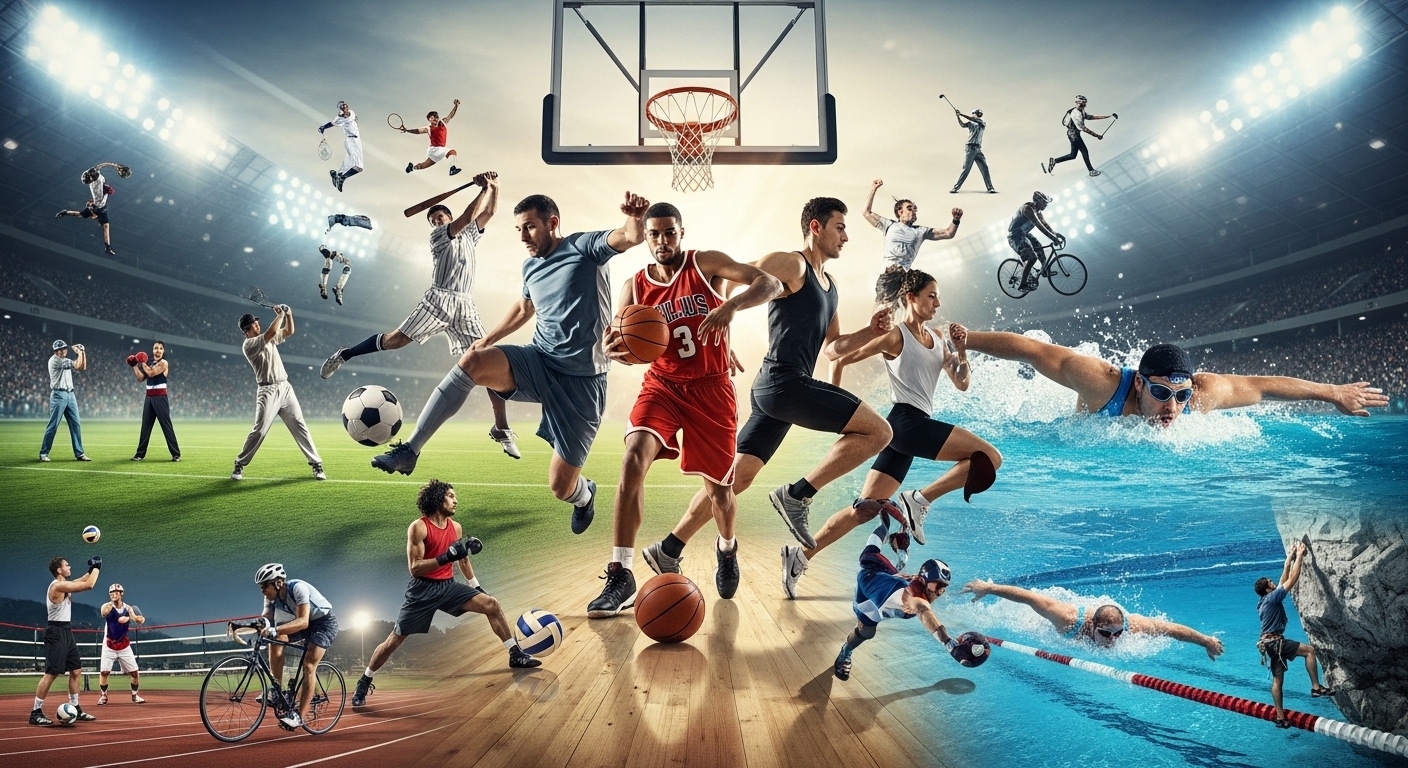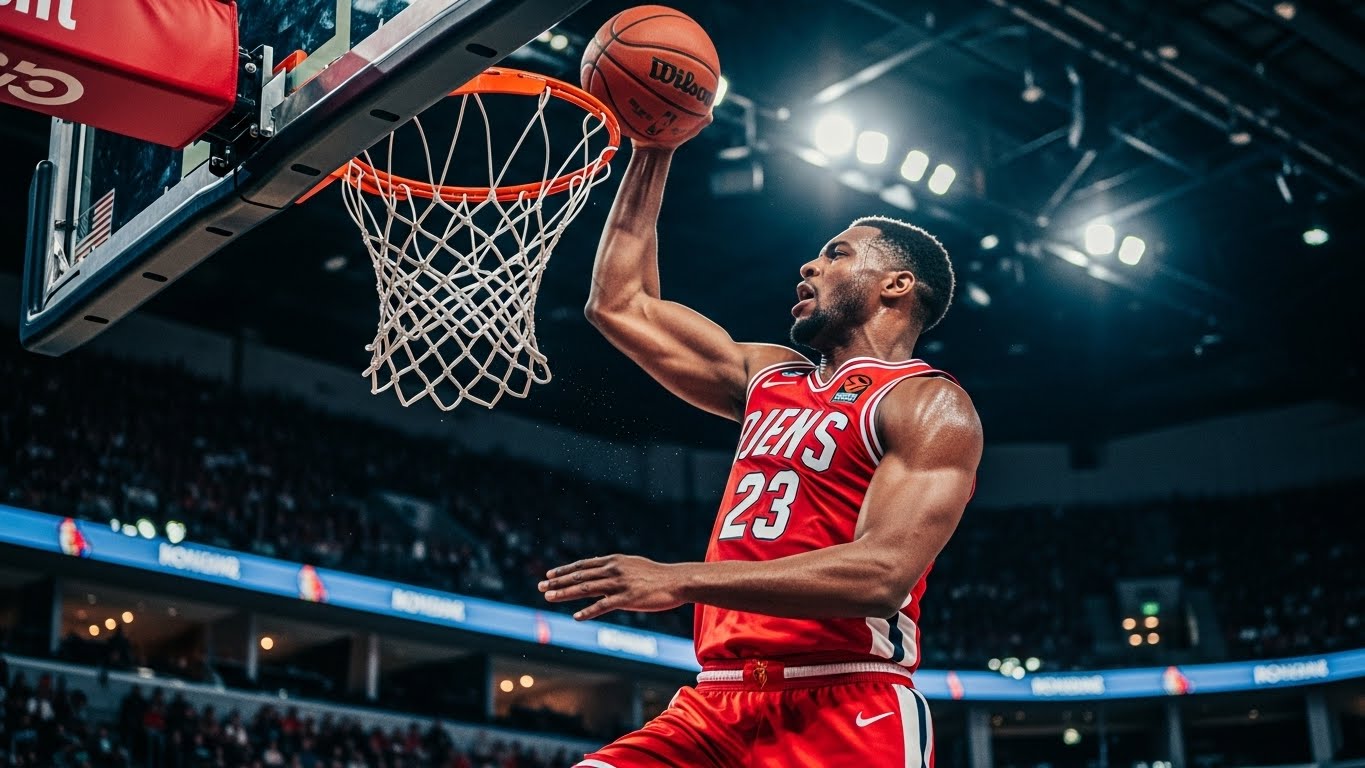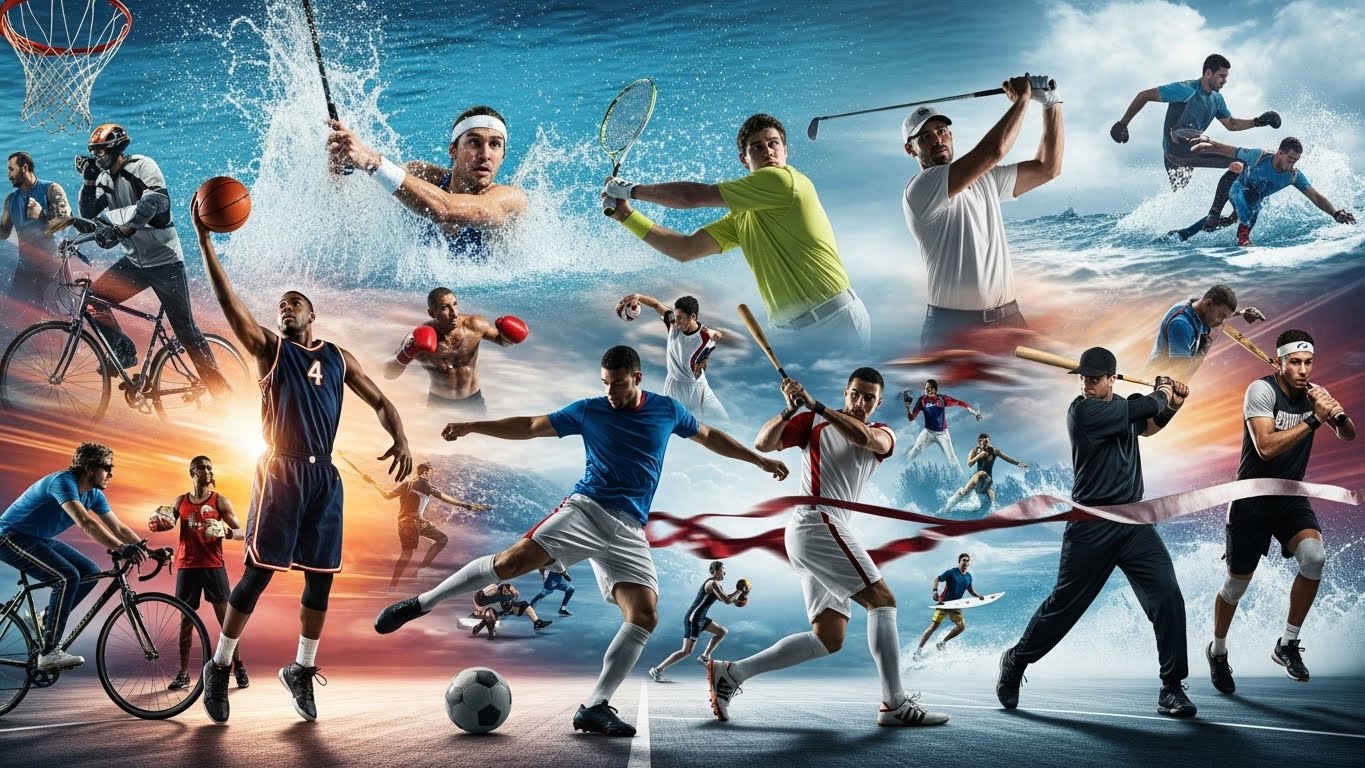





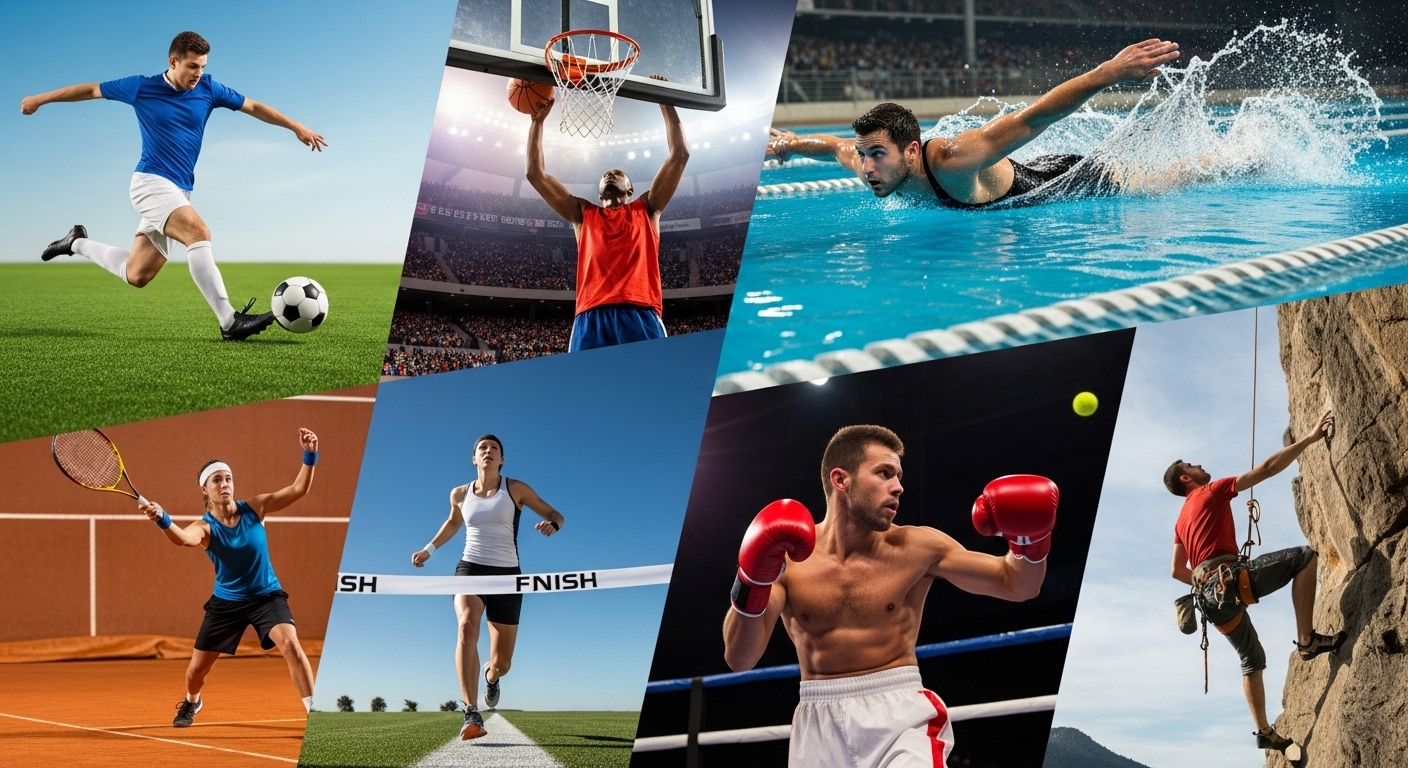
Sports have been an essential part of human culture for thousands of years, shaping societies, identities, and global relationships. From ancient civilizations to contemporary leagues, the importance of sports transcends just being a form of entertainment. They influence our physical and mental health, teach important life skills, and serve as a platform for social change. This blog post explores the profound impact of sports on individuals and societies, from their origins to their role in the modern world.
The Origins and Evolution of Sports
Sports are far from a modern invention. Their origins date back to ancient civilizations, where physical competitions were part of religious festivals and social gatherings. The ancient Greeks are often credited with laying the groundwork for modern sports, particularly with the establishment of the Olympic Games in 776 BC. These games were held every four years and included events like running, discus throwing, and wrestling. The purpose was not only to honor their gods but to celebrate the human body’s potential.
Similarly, other ancient cultures, including the Egyptians, Chinese, and Mayans, had their own forms of competitive activities. In ancient Rome, gladiatorial combat was a widely popular event, where warriors fought for their lives in arenas before large crowds. These early forms of competition had a social, religious, and even political significance. They were opportunities for demonstrating power, athleticism, and cultural prowess.
As centuries passed, the format and nature of sports evolved. During the medieval period, knights would engage in jousting and archery tournaments. By the 18th and 19th centuries, the Industrial Revolution had introduced the concept of organized, regulated sports, laying the foundation for the global sports culture we know today. Sports like soccer, cricket, rugby, and tennis began to formalize their rules, and international competitions started to take shape.
Today, sports have become a cornerstone of global culture, providing entertainment, physical activity, and social engagement for millions of people around the world.
The Health Benefits of Sports
One of the most significant reasons people engage in sports is for the physical health benefits. Regular participation in physical activity is crucial for maintaining a healthy body. Sports help improve cardiovascular health, increase muscle strength, enhance flexibility, and reduce the risk of chronic diseases such as heart disease, diabetes, and obesity.
Additionally, engaging in sports helps promote bone health by increasing bone density and lowering the risk of osteoporosis. Physical activity also plays a vital role in weight management, ensuring that individuals maintain a healthy body composition.
However, the physical benefits of sports go beyond just fitness. Engaging in regular sports activity improves balance, coordination, and endurance, which are essential for overall health and quality of life. For older adults, maintaining an active lifestyle through sports can enhance mobility and reduce the risk of falls and injuries.
In recent years, there’s been a growing emphasis on the mental health benefits of sports as well. Exercise stimulates the release of endorphins, chemicals in the brain that promote feelings of happiness and reduce stress. Studies have shown that physical activity can alleviate symptoms of depression and anxiety. For many athletes, participating in sports provides a much-needed break from the stresses of daily life, allowing them to focus solely on the game and experience a mental release.
Moreover, sports serve as a powerful tool for boosting self-esteem and body image. The process of improving one’s skills, achieving goals, and maintaining physical fitness can provide a strong sense of accomplishment and confidence. For individuals who may struggle with self-image, the achievements they make in sports can be a source of empowerment and personal growth.
The Social Impact of Sports
Beyond the physical benefits, sports have a profound social impact. They serve as a vehicle for building communities and fostering social connections. The simple act of participating in sports, whether in a local league or on a professional team, brings people together and creates bonds that often transcend differences in age, gender, and background.
Sports are a reflection of collective human effort. Whether it’s a neighborhood basketball game or a country competing in the Olympics, sports unite people in the shared goal of achieving success. On a global scale, major international sporting events like the FIFA World Cup, the Summer Olympics, and the Rugby World Cup bring people from all over the world together to celebrate athletic achievement and global camaraderie.
This communal aspect of sports plays a pivotal role in fostering national pride and identity. Fans of national teams experience a sense of collective ownership and pride when their teams perform well, whether in regional, national, or international competitions. A sense of unity is born from the victories and losses, and the shared experiences of watching a game or competing in a sport can solidify long-lasting relationships.
Sports also provide an avenue for cross-cultural exchange. In events like the Olympics, athletes from different countries come together, not only to compete but also to interact, share experiences, and learn about one another’s cultures. This cultural exchange helps to break down barriers and promote understanding in a world that can sometimes be divided by politics, religion, or ethnicity.
Moreover, sports provide significant social mobility opportunities. Many professional athletes come from humble beginnings, and sports offer them a path to financial success, fame, and global recognition. This social mobility is a powerful force, providing people from disadvantaged backgrounds the opportunity to elevate themselves through hard work and talent.
Sports as a Platform for Leadership and Personal Development
Sports are an incredible platform for developing leadership and teamwork skills. Team-based sports, in particular, offer an environment where individuals learn to collaborate, communicate, and work toward a common goal. These experiences are directly transferable to real-life situations, such as the workplace, school, and personal relationships.
Being part of a sports team teaches individuals the importance of cooperation and working toward shared objectives. Athletes learn how to set goals, handle pressure, and encourage teammates. Whether it’s a youth soccer team or a corporate-sponsored sports league, teamwork fosters an environment where individuals can practice empathy, trust, and mutual respect. These qualities are essential in building strong, collaborative teams in every sector of life.
Leadership skills are often nurtured in sports as well. In many team sports, there are formal leadership roles such as team captains who are responsible for motivating the team, making strategic decisions, and leading by example. But even outside of these formal positions, athletes are often called upon to step up and inspire others, whether through their performance or by demonstrating resilience in the face of adversity.
The self-discipline that athletes develop through consistent practice and training is another aspect of personal development fostered by sports. Discipline in sports translates to greater success in other areas of life, teaching athletes how to manage time, set long-term goals, and follow through with their commitments. These skills benefit individuals not only in their athletic careers but also in their professional and personal lives.
The Role of Sports in Social Justice and Activism
Sports have often served as a platform for social justice and activism. Athletes, with their public visibility and influence, have used their platforms to speak out on important issues such as racial inequality, gender equality, and LGBTQ+ rights. These movements often start in the world of sports and expand into broader societal discussions.
One of the most iconic examples of this is the actions of Tommie Smith and John Carlos at the 1968 Olympic Games in Mexico City. In a bold display of protest against racial inequality in the United States, both athletes raised their fists in a Black Power salute during the medal ceremony. This moment remains one of the most significant instances of political activism in the history of the Olympics.
In recent years, athletes like Colin Kaepernick have continued this tradition of activism, using their platform to speak out against police brutality and racial injustice. Kaepernick’s decision to kneel during the national anthem in the NFL sparked a nationwide conversation about race, privilege, and justice in the United States. These actions have illustrated the unique power sports have in effecting social change and challenging the status quo.
Furthermore, female athletes have increasingly used their platforms to advocate for gender equality in sports. Women’s sports leagues, which have often been underfunded and underappreciated, are gaining attention as female athletes push for greater opportunities, equal pay, and recognition. Prominent figures such as Serena Williams and Billie Jean King have paved the way for future generations of women athletes to pursue their dreams and challenge systemic gender barriers in sports.
The Future of Sports: Innovations and Emerging Trends
As we look to the future, it’s clear that the world of sports is evolving. New technologies and innovations are changing how athletes train, compete, and engage with fans. Wearable fitness trackers, virtual reality training, and advanced data analytics are already revolutionizing sports, helping athletes monitor performance, prevent injuries, and optimize their training regimens.
Esports, or competitive video gaming, is also an emerging force in the world of sports. While it was once considered a niche interest, esports now draws millions of viewers around the world. Esports tournaments fill arenas, attract sponsors, and provide players with career opportunities similar to traditional sports. Esports represents a new frontier in sports, especially for younger generations who have grown up with digital technology.
Moreover, the rise of streaming platforms and social media is changing how fans interact with sports. Fans no longer have to rely solely on traditional TV broadcasts; they can watch live events online, follow athletes on social media, and engage in global conversations about their favorite teams and players. This shift in how sports content is consumed is likely to continue growing as new platforms emerge.
Conclusion: The Enduring Legacy of Sports
Sports continue to play a vital role in shaping our world. From their historical significance to their modern-day influence on health, society, and culture, sports provide valuable lessons, bring people together, and create platforms for self-expression and activism. As sports continue to evolve, they will remain an essential part of our global culture, offering opportunities for personal growth, social change, and human connection.
In a world that is often divided by differences, sports remain a universal language, uniting people across cultures and backgrounds in the pursuit of excellence and shared goals. Whether it’s the joy of competition, the lessons learned through teamwork, or the power of social change, sports will continue to impact lives for generations to come.