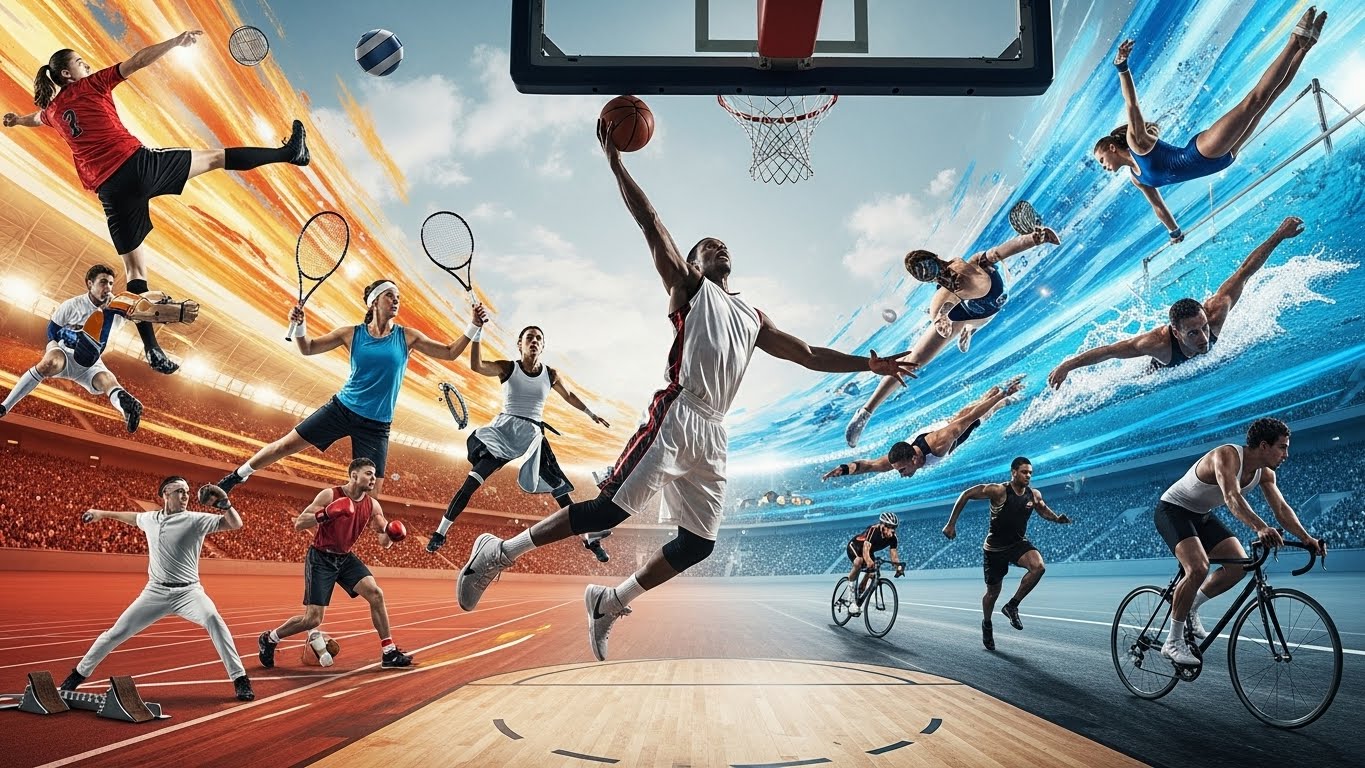





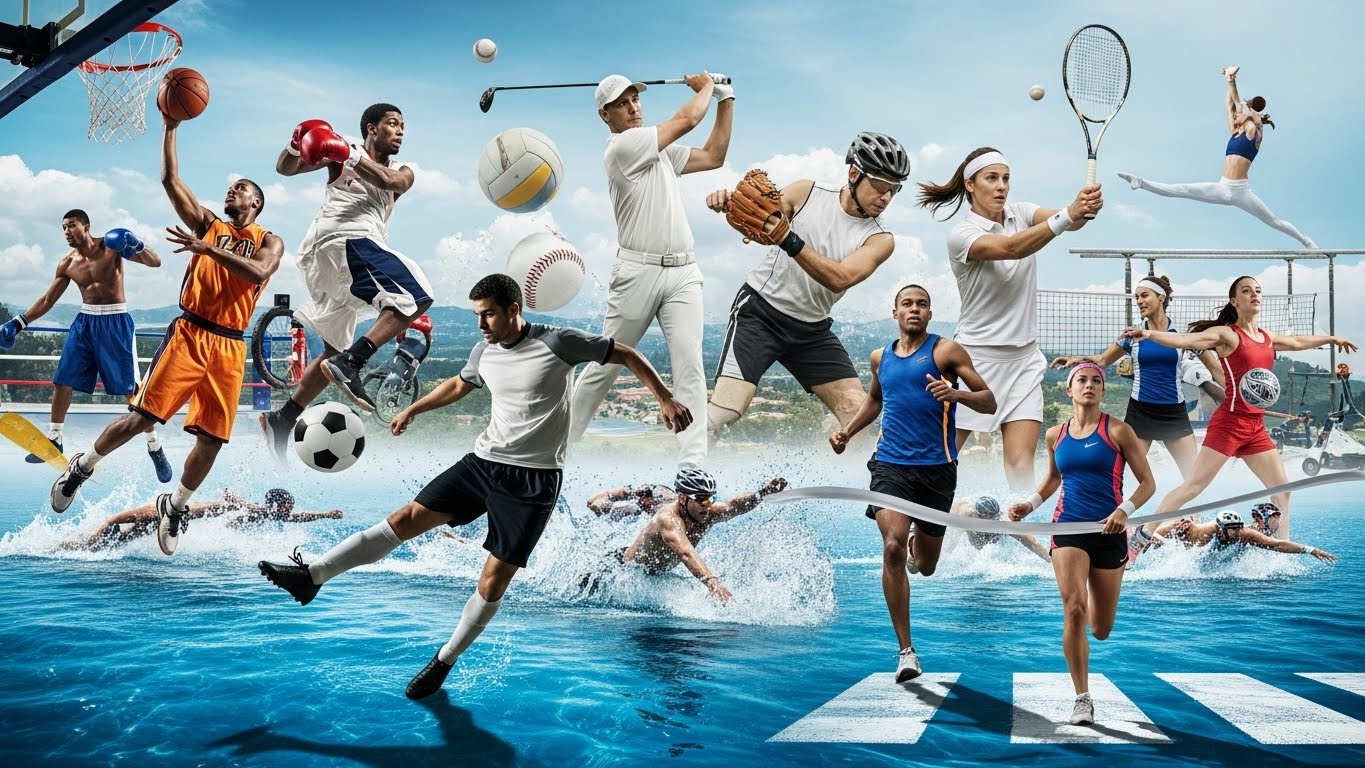
Sports are more than games. They are shared experiences, personal challenges, emotional outlets, and powerful teachers. When we watch a match, step onto a field, or follow a tournament, we participate in something far larger than a score or a trophy. Sports mirror life. They demand discipline, teamwork, patience, resilience, and a willingness to grow beyond what we think we can be.
In this blog, we explore how sports influence individual lives, build stronger communities, and continue to evolve in the modern era.
The Universal Language of Sports
Sports transcend borders, cultures, and languages. A basketball dribble, a tennis serve, or a soccer goal means the same thing in every corner of the world. People from different backgrounds may not share a spoken language, but they instantly connect through movement, rules, and competition.
This universal nature is what makes sports so powerful. They bring strangers together, create friendships among people who may never have otherwise interacted, and turn stadiums into vibrant melting pots of diversity. Fans cheer, cry, and celebrate side by side. For a brief moment, the world feels unified.
Sports offer a common ground where differences fade and human spirit shines through action instead of words.
How Sports Build Confidence and Inner Strength
One of the most profound effects of sports is their ability to shape personal identity. For children, young adults, and even those discovering sports later in life, these activities help develop confidence and emotional resilience.
Participation teaches individuals to face challenges directly. Every sprint tests stamina. Every tournament tests composure. Every practice session tests dedication. When a person fails or loses, they learn not to internalize defeat but to grow from it. When they succeed, they learn that effort and persistence matter.
Sports also help people discover strengths they may never have realized they possessed. A shy person might find their voice leading a team. A hesitant child might uncover boldness through a well-executed play. An adult seeking motivation may find renewed purpose through fitness goals.
By overcoming obstacles in sports, individuals cultivate the belief that they can also overcome challenges in life.
The Role of Discipline and Routine in Athletic Growth
While passion fuels participation, discipline ensures progress. Athletes understand the value of routines. Early morning practices, technical drills, strategy sessions, and consistent training shape both skill and character.
This discipline extends beyond physical activity. It influences time management, focus, and mental clarity. Athletes learn how to set goals, break them into achievable steps, and measure improvement over time. They understand that mastery rarely comes quickly. Persistence, patience, and consistency are the silent forces behind every great performance.
These habits often follow people outside the sports world. Students who play sports tend to organize their study schedules more effectively. Professionals with athletic backgrounds often approach challenges with calm determination. Even in personal life, the discipline learned from sports helps maintain balance and healthy habits.
Teamwork and Its Impact on Social Skills
Team sports are remarkable in their ability to teach cooperation. Every player has a role. Every movement influences the broader outcome. Success depends on collective effort. This environment teaches players to trust one another, communicate clearly, and understand that shared goals are more important than individual glory.
The lessons learned from teamwork show up in daily interactions. Athletes become better at listening, respecting others’ input, and navigating conflicts. They develop leadership qualities and empathy toward teammates.
Even in individual sports, athletes rely on coaches, trainers, and support systems. This teaches them to appreciate collaboration, accountability, and constructive feedback.
Sports act as social classrooms, shaping people into thoughtful, confident, and cooperative individuals.
The Mental Health Benefits of Staying Active
In recent years, conversations about mental health have gained importance, and sports play a meaningful role in emotional well-being. Physical activity releases endorphins that boost mood and reduce stress. Regular exercise helps ease anxiety, improve sleep quality, and increase overall happiness.
But beyond the physical benefits, sports offer emotional release. They give people something to focus on, something to channel energy into, and something to look forward to. For many, a workout, match, or training session becomes a form of therapy.
Athletes also develop mental toughness. They learn how to stay calm under pressure, handle setbacks with grace, and maintain confidence even during difficult moments. This mental strength becomes invaluable in daily life.
Community Connections and Local Pride
Beyond personal development, sports play a massive role in shaping communities. Local teams bring neighborhoods together. Schools celebrate their athletes. Cities unite around championships. Sporting events turn public spaces into lively gatherings filled with joy and excitement.
These shared experiences build a sense of belonging. They strengthen community identity and create memories that last for years. Whether it is a friendly weekend cricket match in a local park or a high-energy professional basketball game, sports create emotional bonds among people.
Communities also benefit economically. Sporting events attract visitors, support small businesses, and promote local culture. A thriving sports environment often leads to healthier, more active populations as well.
The Evolution of Sports in the Modern Era
The world of sports is constantly changing. Technology has revolutionized training methods, performance analysis, and access to global competition. Athletes use video analysis, wearable trackers, and advanced equipment to optimize their performance.
Social media has also transformed sports culture. Fans can follow athletes directly, celebrate every highlight instantly, and connect through massive online communities. This increased visibility has helped young athletes find inspiration and discover opportunities worldwide.
New sports and hybrid athletic activities are also gaining popularity. Extreme sports, esports, obstacle racing, and fitness trends continue to shape how people stay active and entertained. The definition of what counts as a sport is broader than ever.
Despite these changes, the heart of sports remains the same. They still rely on skill, passion, perseverance, and the thrill of competition.
The Future of Sports and Why It Still Matters
Looking ahead, sports will continue to evolve but remain essential to human connection and personal development. They will become more inclusive, offering opportunities for people of all ages, genders, abilities, and backgrounds. With growing awareness of mental health and physical wellness, sports will play an even greater role in balanced lifestyles.
Children will keep discovering confidence. Communities will keep gathering in celebration. Athletes will keep pushing boundaries. And fans will keep feeling the excitement that only sports can offer.
Sports matter because they remind us of our shared humanity. They teach us to strive, to respect, to collaborate, and to celebrate every victory whether big or small.
Conclusion
Sports are not simply games. They are lessons woven into movement, discipline, and emotion. They shape character, strengthen communities, and bring joy to daily life. Whether you are a seasoned athlete, a casual player, or a passionate fan, the world of sports has something meaningful to offer.
The pulse of play continues to beat across fields, courts, tracks, and arenas everywhere. It inspires us, challenges us, and keeps us connected. And as long as people value growth, teamwork, and shared experience, sports will always hold a special place in our lives.