





The Universal Power of Sports
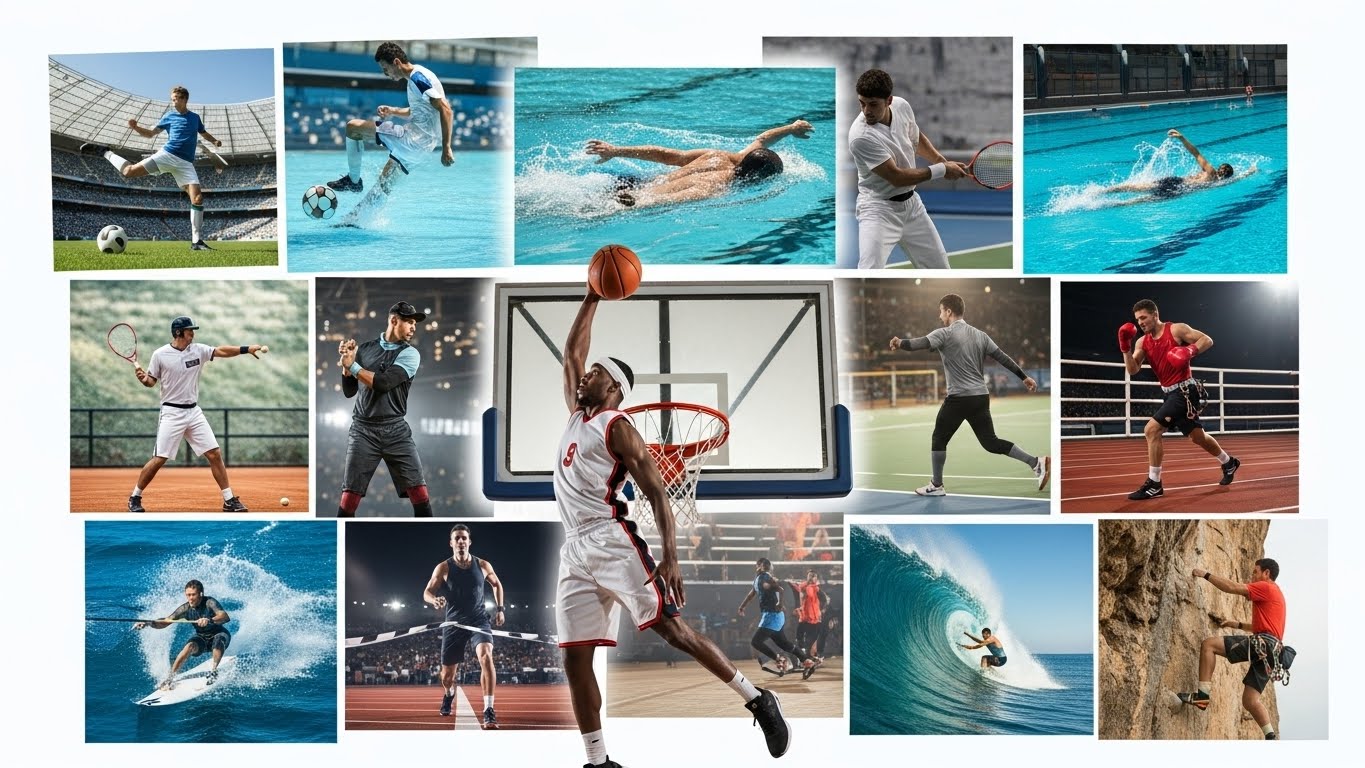
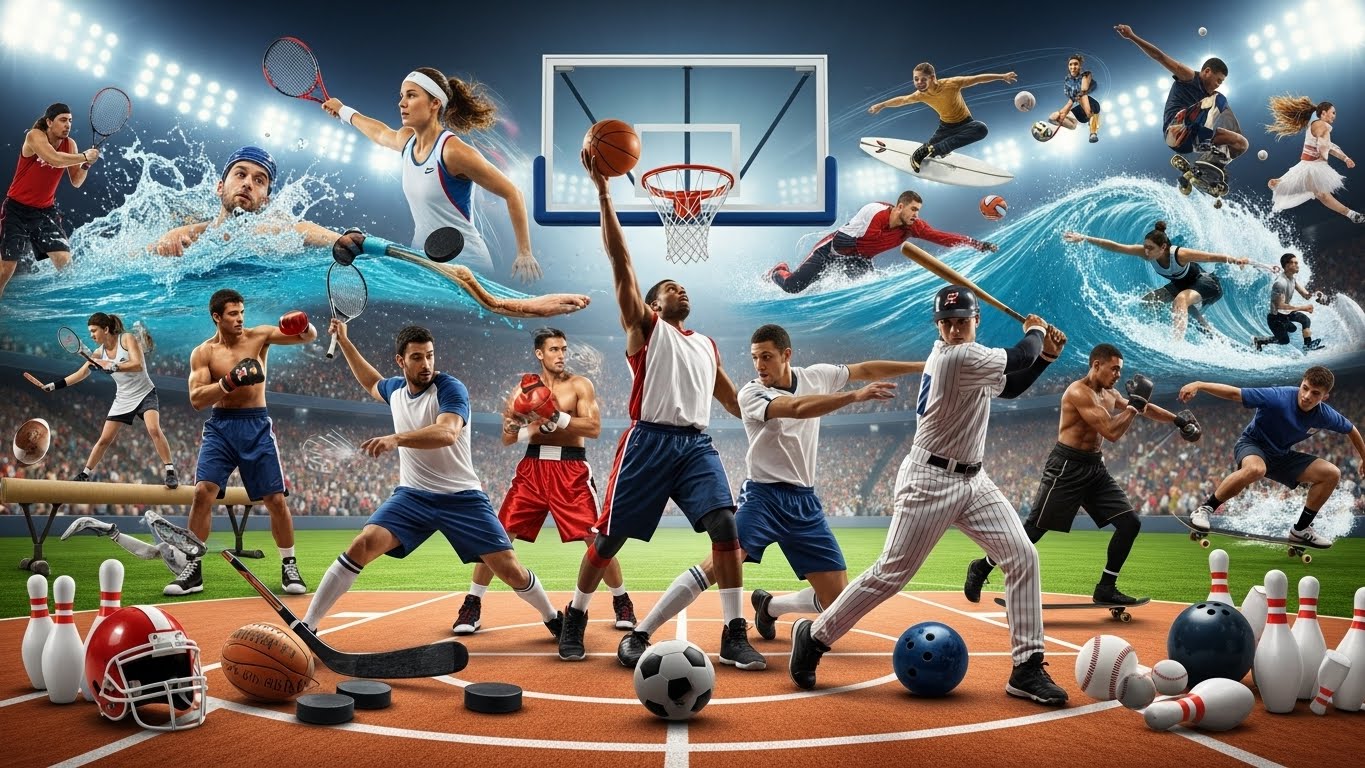
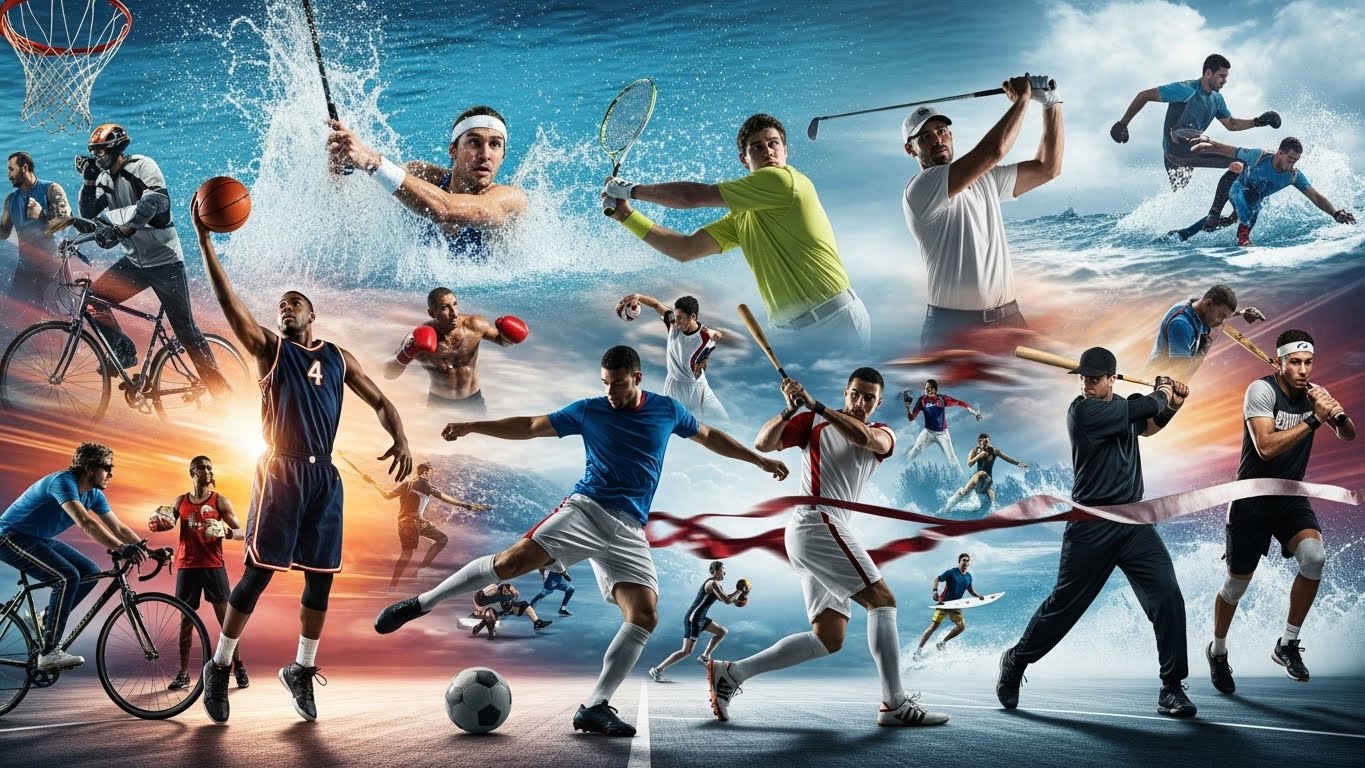
Sports have long held a significant place in human society. From ancient civilizations to the modern world, they have been a source of entertainment, education, and social cohesion. Their appeal lies in the ability to unite people, evoke passion, and challenge human potential. Whether it’s football in South America, cricket in South Asia, or basketball in North America, sports transcend language, culture, and borders.
The beauty of sports is that they offer more than competition. They foster discipline, build character, and create community bonds. Athletes, fans, and spectators all share a common experience: the thrill of the game, the triumph of victory, and the lessons learned from defeat. Sports are more than physical activity—they are a reflection of human spirit, resilience, and determination.
A Historical Perspective
Sports have evolved over centuries. Ancient societies played games for religious rituals, military training, or social entertainment. The Greeks, for example, developed organized competitions such as the Olympic Games, emphasizing physical prowess and honor. Over time, these rudimentary games transformed into structured sports with clear rules, teams, and international recognition.
The industrial revolution and globalization further accelerated the growth of sports. Innovations in transportation and communication allowed teams to travel and compete internationally. The advent of television, radio, and later digital media brought sports into homes worldwide, amplifying their influence and accessibility. Today, sports are a global phenomenon with leagues, tournaments, and professional athletes recognized around the world.
Physical and Mental Benefits of Sports
Engaging in sports offers a wide range of physical and mental advantages. Physically, sports improve cardiovascular health, strength, flexibility, and endurance. Regular participation reduces the risk of chronic illnesses such as diabetes, obesity, and heart disease. For young people, sports enhance growth, coordination, and motor skill development.
Mentally, sports strengthen focus, resilience, and emotional stability. Participation fosters goal-setting, perseverance, and problem-solving skills. Handling both success and failure teaches patience and adaptability, valuable traits in life beyond sports. The mental benefits extend to spectators as well, who experience joy, excitement, and a sense of community through sporting events.
Teamwork and Social Development
Team sports, in particular, play a vital role in social development. They teach individuals how to collaborate, communicate, and work toward common objectives. Learning to coordinate with teammates, accept feedback, and handle conflicts promotes interpersonal skills and emotional intelligence.
Communities also benefit from sports by coming together around local teams or events. Sporting activities create opportunities for social interaction, cultural exchange, and shared experiences. Major tournaments, such as the Olympics or World Cup, bring together people from different backgrounds, fostering unity and global camaraderie.
Sports and Education
Sports play an essential role in education. Participation in school sports programs encourages discipline, responsibility, and time management. Students learn to balance academics with athletic commitments, enhancing organizational skills and personal growth.
Educational institutions often use sports to promote teamwork, leadership, and fair play. Students gain confidence through competition and learn to cope with setbacks, an essential life skill. Beyond traditional classrooms, sports-based programs provide opportunities for underprivileged youth, giving them access to physical activity, mentorship, and life lessons that extend far beyond the playing field.
Technology’s Role in Modern Sports
Technology has revolutionized sports in multiple ways. Performance tracking devices, wearable sensors, and data analytics help athletes monitor health, optimize training, and prevent injuries. Video analysis enables coaches to refine strategies and improve team performance. Sports science has transformed training regimens, recovery methods, and nutrition, allowing athletes to reach unprecedented levels of excellence.
Technology also enhances the spectator experience. Instant replays, high-definition broadcasts, and augmented reality bring fans closer to the action. Virtual reality simulations allow people to experience games from the perspective of athletes, while social media platforms create interactive communities around teams and players.
Professional Sports and Economic Impact
Sports are not only culturally significant—they are also a major economic force. Professional leagues, tournaments, and events generate billions of dollars annually through ticket sales, sponsorships, broadcasting rights, and merchandise. Athletes, coaches, medical staff, and support teams contribute to a vast industry that sustains millions of jobs worldwide.
The commercialization of sports has also led to increased opportunities for entrepreneurship. Sports academies, fitness brands, and digital content platforms thrive in this ecosystem. Even smaller communities benefit economically through tourism, infrastructure development, and event hosting, demonstrating the multifaceted impact of sports on economies.
Gender Equality in Sports
Historically, sports have been male-dominated, but significant progress has been made toward gender equality. Female athletes now compete at elite levels, earning recognition for their talent, determination, and achievements. Women’s leagues and tournaments are gaining visibility, inspiring younger generations to pursue athletic careers.
Promoting gender equality in sports is about more than participation. It includes equal opportunities, resources, pay, and representation in leadership roles. Sports provide a powerful platform for empowerment, challenging societal stereotypes and promoting inclusion. The success of female athletes worldwide underscores the growing recognition of talent irrespective of gender.
Sports and National Identity
Sports have a unique ability to evoke national pride. International competitions such as the FIFA World Cup, Olympic Games, and Rugby World Cup bring citizens together, inspiring patriotism and unity. Victories become shared experiences, while athletes serve as ambassadors for their countries, representing dedication, discipline, and excellence on a global stage.
Sports also foster cultural diplomacy. Friendly matches, international tournaments, and cross-border leagues facilitate dialogue, understanding, and cooperation. They create connections that transcend political and economic differences, demonstrating the unifying power of human achievement.
Health and Wellness Through Sports
Beyond professional arenas, recreational sports play a crucial role in public health. Activities like swimming, running, cycling, and yoga contribute to physical fitness, mental clarity, and emotional stability. They reduce stress, improve sleep quality, and enhance overall well-being.
Sports provide a structured way to maintain active lifestyles, encouraging individuals to prioritize health. Communities with accessible sporting facilities often experience lower rates of lifestyle-related illnesses. Public engagement in sports fosters long-term wellness, highlighting the importance of physical activity for people of all ages.
Challenges Facing Sports Today
While sports offer immense benefits, they also face challenges. Issues such as doping, corruption, and commercialization threaten the integrity of competitions. Ensuring fair play, transparency, and accountability remains essential for maintaining trust in sports.
Accessibility is another challenge. Socioeconomic factors, infrastructure limitations, and cultural barriers can prevent certain groups from participating. Addressing these challenges requires targeted policies, investment, and community programs. Only by tackling these obstacles can sports continue to fulfill their potential as a force for good.
The Future of Sports
The future of sports is both exciting and transformative. Emerging technologies such as virtual reality, augmented reality, and advanced analytics will redefine training, performance, and fan engagement. Esports, or competitive gaming, has emerged as a legitimate sporting arena, bridging traditional athletic principles with digital innovation.
Sustainability and inclusivity are also shaping the future of sports. Eco-friendly stadiums, accessible facilities, and community-focused programs are becoming priorities. Sports will continue to inspire, educate, and connect people, ensuring their relevance in an ever-changing world.
Lessons Learned from Sports
Sports teach lessons that extend far beyond the field. They instill discipline, encourage perseverance, and promote teamwork. They highlight the importance of strategy, focus, and resilience in the face of challenges. Athletes learn to cope with pressure, manage expectations, and adapt to changing circumstances.
For spectators, sports offer inspiration, motivation, and a sense of belonging. They demonstrate the power of dedication and hard work while reminding people that success is earned, not given. The values learned through sports are applicable to personal development, education, careers, and community engagement.
Conclusion
Sports are far more than games—they are a vital part of human culture, society, and development. They connect communities, promote health, inspire individuals, and drive economic growth. From local playgrounds to global arenas, sports foster teamwork, discipline, and resilience.
As technology, inclusivity, and sustainability continue to shape the landscape, sports will evolve while retaining their core values. They remain a platform for education, entertainment, and empowerment, enriching lives across generations.
Ultimately, sports remind us of the best aspects of humanity: passion, dedication, fairness, and the joy of shared experience. They teach lessons that endure long after the final whistle, showing that the impact of sports extends far beyond the finish line.