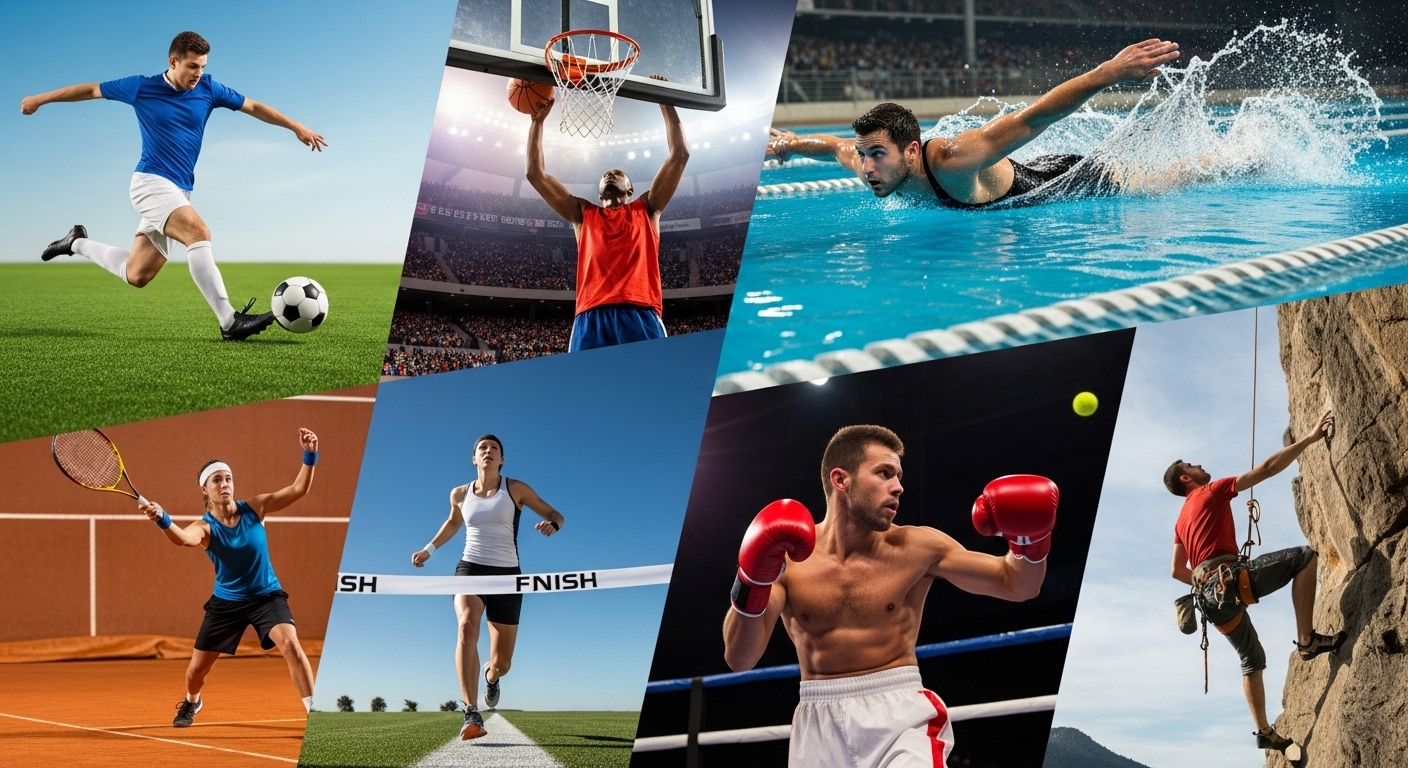





Sports have always been an integral part of human culture, transcending borders, languages, and beliefs. From the ancient Olympic Games in Greece to the modern-day spectacle of the FIFA World Cup or the Super Bowl, sports have united people in ways few other things can. Whether it’s the thrill of competition, the display of human athleticism, or the sense of community that arises from cheering for a favorite team, sports have a unique ability to evoke powerful emotions.
But sports are more than just a form of entertainment or competition. They have a profound impact on societies, cultures, economies, and individuals. They shape identities, create opportunities, and sometimes even inspire movements. In this blog post, we’ll dive into the different facets of sports—from their social and cultural significance to their role in health, business, and personal development.
The Social Impact of Sports: Building Communities
One of the most compelling aspects of sports is their ability to bring people together. Whether it’s a local neighborhood league or an international championship, sports create a sense of community and belonging. In many ways, they are a universal language that can connect individuals across cultural, political, and social divides.
At the grassroots level, local sports teams foster camaraderie and teamwork. Children grow up playing soccer, basketball, or cricket in parks and schoolyards, forming friendships that can last a lifetime. For many, sports serve as an important social outlet, offering a sense of belonging and a way to build relationships outside of work or school.
On a larger scale, professional sports teams are often seen as the heart and soul of their cities. Cities like Barcelona, Chicago, or Rio de Janeiro, for example, have deep-rooted identities that are intertwined with their sports teams. When a local team wins a championship, it’s not just a victory for the players—it’s a celebration for the entire community. The pride and joy experienced by fans during a team’s success can foster a sense of unity and collective achievement.
Moreover, sports events like the FIFA World Cup, the Olympics, or the Tour de France bring together people from all over the world. These global sporting spectacles celebrate unity in diversity, as fans from different nations come together to cheer for their respective teams, showing that even in competition, there is shared respect and admiration for athletic prowess.
Sports as a Catalyst for Social Change
Beyond entertainment and community building, sports have often been a powerful vehicle for social change. Athletes have used their platforms to raise awareness about critical social issues, challenge inequality, and inspire positive change. The intersection of sports and activism is a testament to how sports can influence society in profound ways.
Perhaps one of the most iconic examples of this is the activism of African American athletes during the Civil Rights Movement in the United States. In the 1960s, athletes like Muhammad Ali, Jim Brown, and Bill Russell used their platforms to speak out against racial injustice. Muhammad Ali’s refusal to be drafted into the Vietnam War, citing his opposition to the war and his stance against racial discrimination, is a landmark moment in the history of sports and activism.
More recently, athletes such as Colin Kaepernick have taken a knee during the national anthem to protest police brutality and racial injustice. These acts of protest have sparked national and global conversations about race, power, and justice, showing that sports can be an arena for challenging societal norms and pushing for change.
Even outside of high-profile protests, sports have served as a means to challenge gender inequality. The rise of women’s sports has been an important battleground in the fight for gender equality, with athletes like Billie Jean King, Serena Williams, and Megan Rapinoe leading the charge. Title IX, a U.S. federal law passed in 1972, has significantly increased opportunities for women to participate in sports, opening doors for future generations of female athletes.
Sports, with their broad reach and influence, continue to serve as a platform for advocating change. Whether it’s through raising awareness, challenging power structures, or fostering inclusivity, sports have proven to be a catalyst for social movements.
The Economic Influence of Sports
Sports are not just important socially or culturally—they also have a significant economic impact. The global sports industry is worth billions of dollars, with revenues generated through sponsorships, ticket sales, merchandise, broadcasting rights, and more. Large sporting events, such as the Super Bowl, the Olympics, or the UEFA Champions League, bring in massive amounts of money not only to the teams and athletes involved but also to the host cities and countries.
Hosting a major sports event can provide a boost to a city’s economy by creating jobs, attracting tourists, and stimulating local businesses. The Olympics, for example, have historically led to infrastructure development, including the construction of stadiums, transportation systems, and hotels. The 2008 Beijing Olympics and the 2016 Rio de Janeiro Olympics both led to significant investments in infrastructure, though the long-term benefits have been debated.
Moreover, sports have a deep connection with marketing and branding. Companies sponsor athletes, teams, and events as a way to increase their visibility and reach a global audience. For instance, Nike’s partnership with Michael Jordan revolutionized sports marketing, turning the Air Jordan brand into a global icon. Today, major brands like Adidas, Under Armour, and Puma invest heavily in sports sponsorships, further intertwining sports with commerce.
The economic impact of sports extends to the careers and livelihoods of athletes, coaches, and other professionals within the industry. While professional athletes are often at the center of this economy, there are also significant opportunities for those working in media, sports management, coaching, and even sports medicine. In many countries, sports are considered an essential part of the job market, contributing to the growth of economies through employment and revenue generation.
The Health Benefits of Sports
While the economic and social impacts of sports are significant, one of the most important roles sports play in society is promoting physical health and well-being. Sports encourage people of all ages to stay active, which is essential in combating lifestyle diseases such as obesity, heart disease, and diabetes.
For children, participating in sports can set the foundation for a lifetime of healthy habits. Sports help to develop physical skills, coordination, and strength, while also fostering teamwork and discipline. Regular physical activity through sports has been shown to improve mental health by reducing stress, anxiety, and depression. In fact, exercise releases endorphins, which are chemicals in the brain that promote feelings of happiness and well-being.
Sports also serve as a means for adults to maintain an active lifestyle, regardless of whether they are participating in organized leagues or simply going for a jog or cycling. With the rise of fitness tracking apps and wearable technology, there has been a cultural shift towards using sports and exercise as a tool for personal health management. The popularity of marathons, triathlons, and fitness challenges has skyrocketed in recent years, reflecting society’s growing recognition of the importance of physical fitness.
On a professional level, sports also provide careers in health, such as physiotherapy, sports medicine, and athletic training. These fields have grown alongside the increasing recognition of the physical demands of athletes and the importance of recovery, injury prevention, and mental well-being.
Sports and Personal Development: Building Life Skills
While the physical and health benefits of sports are clear, the personal development gained through participation is equally valuable. Whether it’s learning the value of hard work, managing time, or coping with failure, sports teach critical life skills that extend far beyond the playing field.
One of the most important lessons that sports impart is teamwork. Athletes learn how to collaborate with others toward a common goal, whether it’s winning a game, completing a race, or achieving a personal best. This lesson in cooperation is not limited to sports but can be applied in all areas of life, including work, family, and community involvement.
Sports also help individuals develop resilience. In every sport, there are moments of failure—whether it’s losing a game, missing a shot, or making a mistake. However, it is through these moments of adversity that athletes learn how to overcome challenges, build confidence, and continue striving for improvement. The discipline and focus required to excel in sports translate into valuable life skills such as goal setting, time management, and perseverance.
Athletes also learn leadership skills, as many sports provide opportunities for individuals to take on leadership roles, whether as team captains or mentors to younger players. These leadership qualities help athletes develop confidence, empathy, and the ability to inspire others.
Conclusion: The Timeless Role of Sports in Society
Sports are much more than just games played for entertainment. They serve as a powerful force that shapes societies, economies, and individuals. From fostering community and building global connections to promoting personal health and development, sports play a central role in our lives.
As we look toward the future, it’s clear that sports will continue to evolve—both in terms of how we consume them and how they influence society. With new technologies, growing fan engagement, and a greater emphasis on inclusivity and diversity, the future of sports is bound to bring even more excitement, innovation, and inspiration.
Whether we’re cheering for our favorite team, competing in a local league, or simply enjoying a friendly game of soccer, sports will remain an enduring and unifying force in the world.