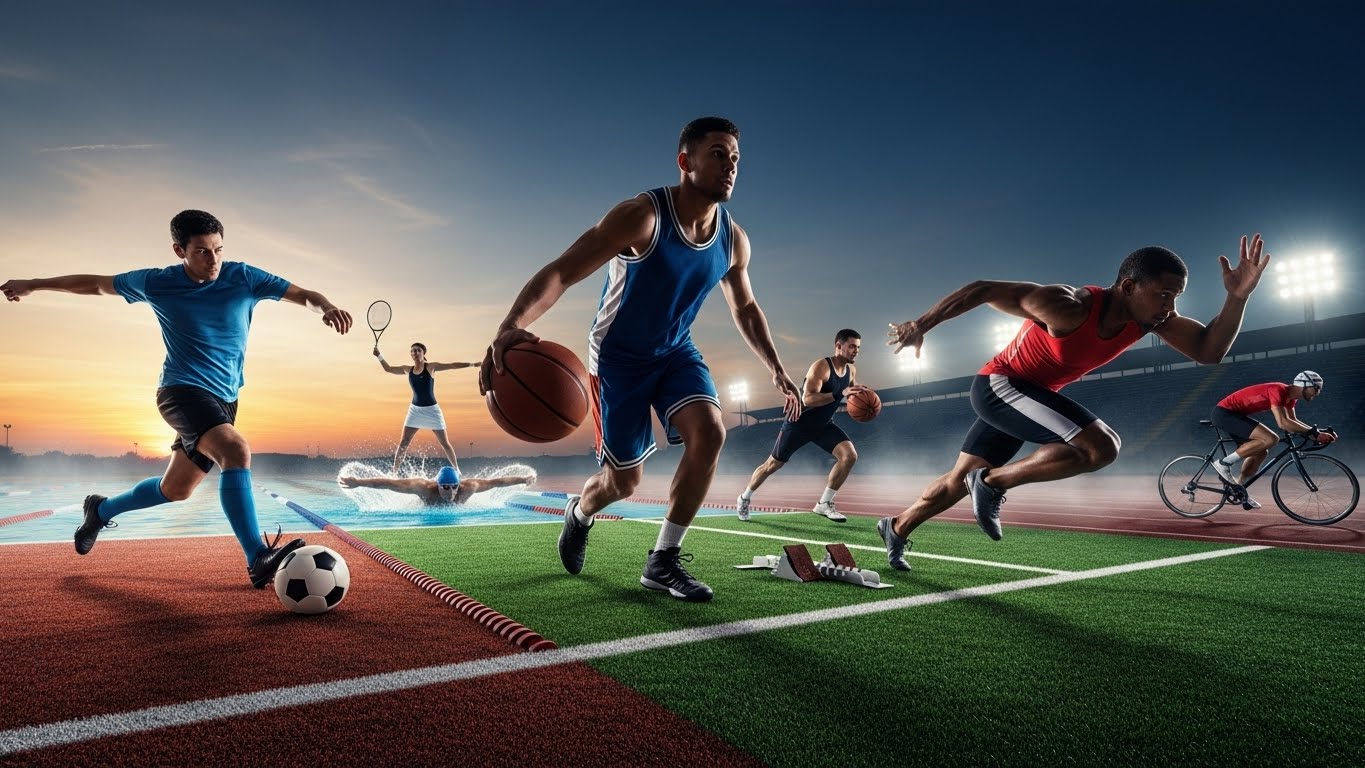





Sports, in their many forms, are much more than just activities designed for physical exercise or entertainment. They are an integral part of human culture, influencing societies, shaping identities, and bringing people together in ways that few other aspects of life can match. Whether it’s the electric atmosphere of a packed stadium, the passion of fans gathered around a television screen, or the personal growth athletes experience on the field, sports create unique and powerful connections.
This blog post aims to delve into the significance of sports in our world, from their historical origins to their cultural impact and role in personal development. It will explore how sports serve as a tool for unity, health, and self-expression, touching upon how they continue to evolve and shape future generations.
The Historical Significance of Sports: A Glimpse Into the Past
Sports have existed for as long as human civilization itself. From the ancient Olympics in Greece to the gladiatorial games in Rome, competitive activities have played a significant role in societies throughout history. The ancient Greeks, who are often credited with establishing the foundation of modern sports, introduced the Olympic Games in 776 BCE. These games not only celebrated physical skill but also honored their gods, promoting peace among the often-warring city-states of ancient Greece. The Olympics were an essential occasion for cultural exchange, and their importance cannot be overstated.
As civilizations evolved, so too did the nature of competitive sports. The Romans, for instance, introduced gladiator games, which, though brutal and often fatal, were a form of entertainment and spectacle for the masses. Other ancient societies, including the Chinese, Egyptians, and Mayans, all had their forms of competitive activities that celebrated athleticism, skill, and physical prowess.
Over time, sports became increasingly organized. In medieval Europe, for example, jousting and archery were highly popular. During the Renaissance period, the idea of physical fitness grew, with sports like fencing, horse racing, and hunting gaining attention. By the 19th century, formalized sports as we know them today began to emerge, particularly in Western Europe and North America, with games like soccer, baseball, cricket, and rugby gaining worldwide popularity.
Sports as a Vehicle for Health and Well-Being
Physical health is one of the most direct benefits that come from participating in sports. Regular physical activity strengthens the cardiovascular system, increases muscle mass, improves flexibility, and boosts overall endurance. Whether it’s running, swimming, cycling, or playing soccer, engaging in sports regularly helps prevent a range of chronic diseases such as heart disease, diabetes, and obesity.
In addition to the physical benefits, sports play a crucial role in mental health. Physical exercise, which is often a core component of many sports, triggers the release of endorphins, chemicals in the brain that elevate mood and reduce feelings of stress and anxiety. Athletes often report that the mental clarity gained during physical activity allows them to de-stress, think more clearly, and feel more balanced.
Moreover, participation in sports has been linked to improved cognitive function. Regular involvement in physical activities stimulates brain function, improving memory, focus, and decision-making abilities. This is especially important for younger individuals, where sports provide both an outlet for energy and a way to enhance academic and personal growth.
But perhaps the most profound mental health benefit of sports is its ability to provide an emotional outlet. Whether it’s celebrating a victory, dealing with a defeat, or pushing through physical exhaustion, sports help individuals process emotions, fostering resilience, patience, and self-discipline. These experiences translate into real-world skills, such as problem-solving, emotional control, and stress management.
Social Impact of Sports: Unity, Identity, and Belonging
Sports have a unique power to unite people. Whether it’s a local football game, an international competition, or a neighborhood basketball tournament, sports bring people together in a shared experience. The communal aspect of sports creates a sense of belonging, where individuals, regardless of their background, can connect over a common interest.
On a global scale, major sports events like the FIFA World Cup, the Olympics, and the Super Bowl are moments when nations come together, celebrating not just athletic excellence, but national pride. Fans around the world gather to watch their favorite athletes perform, experiencing collective joy or heartbreak depending on the outcome. In these moments, the focus is not on the differences between nations but on the celebration of human achievement. These international events also give individuals an opportunity to witness different cultures and forge connections with people from all corners of the world.
On a more local level, sports help create communities. Amateur leagues, school competitions, and recreational sports programs allow people to meet new friends, establish networks, and develop deeper ties within their communities. A local soccer match can bring together people from all walks of life, from children learning the game to older adults who have been playing for decades. Sports give people a reason to engage with their community, support local teams, and feel like they are a part of something bigger than themselves.
Through the lens of sports, identity is often shaped. For many athletes, the sport they participate in becomes part of their identity—whether it’s a baseball player, a swimmer, or a football fan, being associated with a particular sport gives individuals a sense of pride and belonging. For fans, supporting a team can create a deep emotional connection, leading to traditions, rituals, and a shared culture among fans.
Learning Life Skills Through Sports: Discipline, Teamwork, and Leadership
One of the most significant life skills learned through sports is discipline. Training for any sport requires consistent effort, focus, and perseverance. Whether it’s waking up early for practice, pushing through difficult workouts, or adhering to a strict diet, athletes must learn how to structure their time and energy effectively. The demands of a sport, especially at competitive levels, help develop strong work ethic and time-management skills—traits that are invaluable in all areas of life.
In addition to discipline, sports are an excellent vehicle for teaching teamwork. Most team sports, whether it’s soccer, basketball, or rugby, require players to cooperate, communicate, and rely on each other to achieve a common goal. In many ways, sports mimic real-life situations in the workplace, where collaboration is key to success. By working as part of a team, athletes learn how to negotiate differences, resolve conflicts, and manage group dynamics. These skills are directly applicable in professional and personal settings.
Leadership is another important skill that sports foster. Athletes often take on leadership roles within their teams, whether as captains or mentors to younger players. The ability to lead, motivate, and inspire others is a skill that sports help develop, and it is a skill that translates into all aspects of life. Leaders in sports learn how to manage pressure, set examples, and build trust—all qualities that are essential in the workplace, family, and community settings.
Overcoming Adversity: Resilience and Mental Toughness in Sports
Perhaps one of the greatest lessons sports teach is the ability to face adversity and persevere through challenges. Every athlete, at some point in their career, encounters setbacks—whether it’s losing a match, suffering an injury, or facing a period of poor performance. However, sports teach the importance of mental toughness: the ability to overcome obstacles, bounce back from failure, and keep pushing forward despite difficulties.
In sports, failure is not seen as an end but as a learning experience. Losing a match, for example, isn’t about being defeated but about identifying areas of improvement. Athletes often speak about the importance of resilience in sports, noting that their ability to keep going after facing challenges is what ultimately defines their success. Whether it’s bouncing back from an injury or finding ways to improve after a defeat, resilience is an integral part of both sports and life.
The Rise of Esports: A New Frontier in the World of Sports
While traditional sports continue to dominate, a new and rapidly growing trend has emerged: esports. Esports, or competitive video gaming, has become a multi-billion-dollar industry, with professional leagues, live-streaming platforms, and massive tournaments like The International and the League of Legends World Championship. Esports has brought a new dimension to the world of sports, attracting a younger generation of fans who may not have traditionally been interested in conventional sports.
Esports offers a unique form of competition that, like traditional sports, requires skill, strategy, and teamwork. It has garnered an enormous global following, with millions of viewers tuning in to watch professional gamers compete at the highest levels. Esports players, much like athletes in traditional sports, dedicate hours of practice, often training intensively to improve their skills.
The rise of esports also reflects the broader trend of digitalization, where technology continues to influence and shape our understanding of sports. Just like traditional athletes, esports players have a platform to showcase their talents, gain sponsorships, and build personal brands. This shift is changing the landscape of sports and offering new opportunities for competition, fame, and recognition.
The Future of Sports: Innovation and Growth
Looking toward the future, sports are poised to undergo significant changes, thanks to advances in technology and shifting societal values. Virtual reality (VR) and augmented reality (AR) are beginning to offer new ways for fans to experience sports, creating immersive viewing experiences that were once thought impossible. Wearable technology and data analytics are also revolutionizing how athletes train, offering insights into performance and injury prevention.
Moreover, the push for diversity and inclusivity in sports continues to gain momentum. Female athletes are breaking barriers in traditionally male-dominated sports, and athletes from all walks of life are challenging stereotypes and advocating for equal opportunities. These movements will only continue to grow, ensuring that sports remain a vehicle for social change and progress.
As the world becomes more connected, sports will continue to serve as a universal language—uniting people across borders, promoting health and wellness, and fostering a sense of belonging.
Conclusion: Sports as a Catalyst for Change
Sports are not just games or activities. They are powerful tools for bringing people together, shaping societies, and promoting individual growth. They offer lessons in teamwork, resilience, and leadership, while providing a platform for personal expression and achievement. The impact of sports goes far beyond the field of play, touching every aspect of our lives.
Whether through the joy of a local game, the thrill of an international competition, or the personal growth athletes experience, sports hold the potential to change lives. In a world that often seems divided, sports remain a universal passion—a shared experience that continues to inspire, motivate, and unite us all.