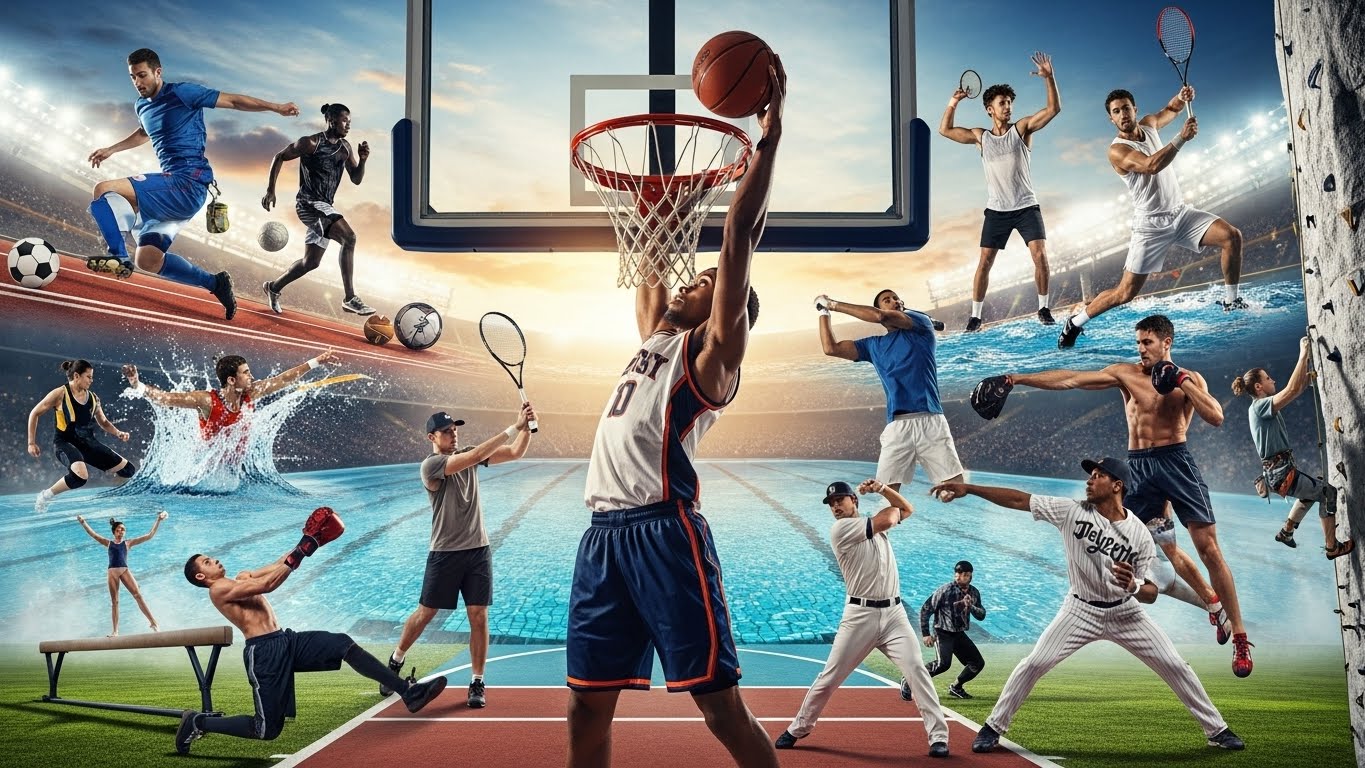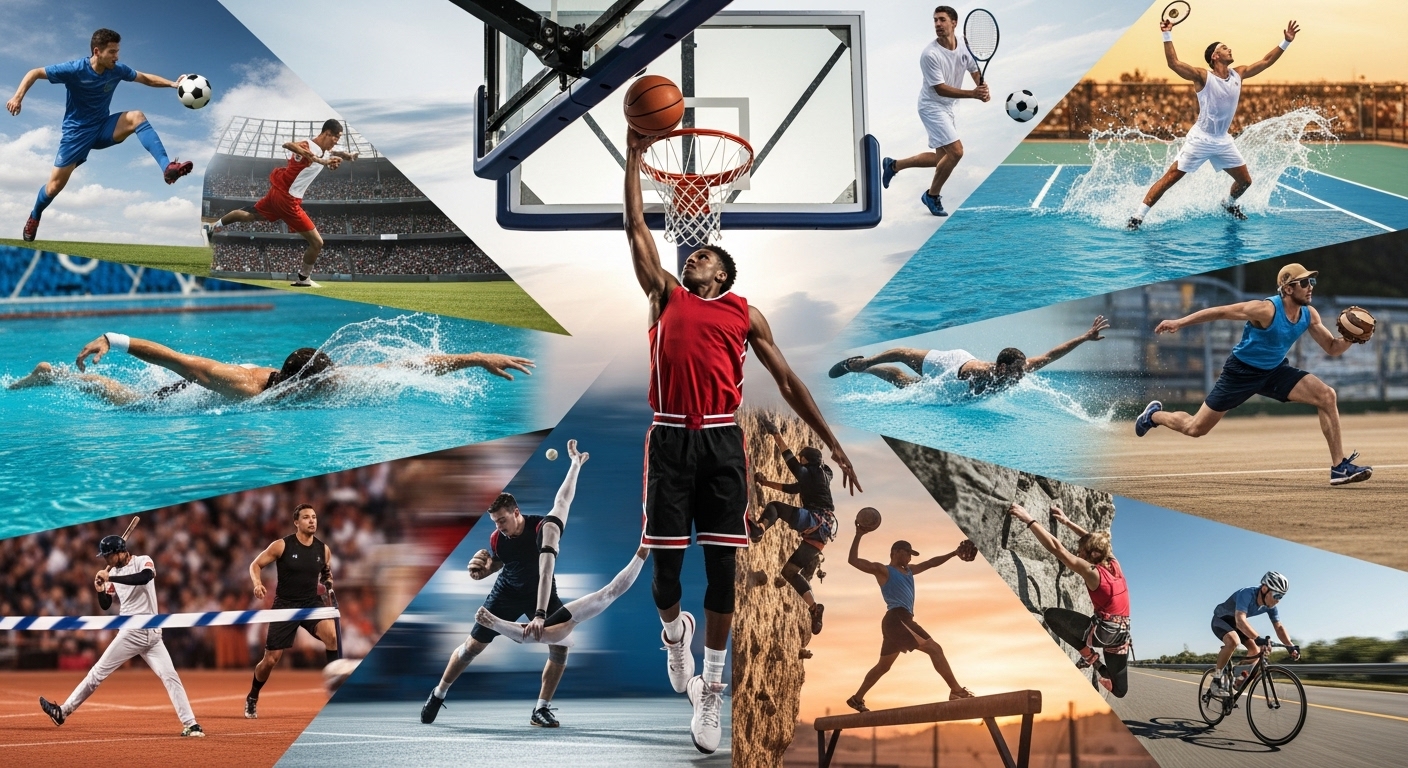





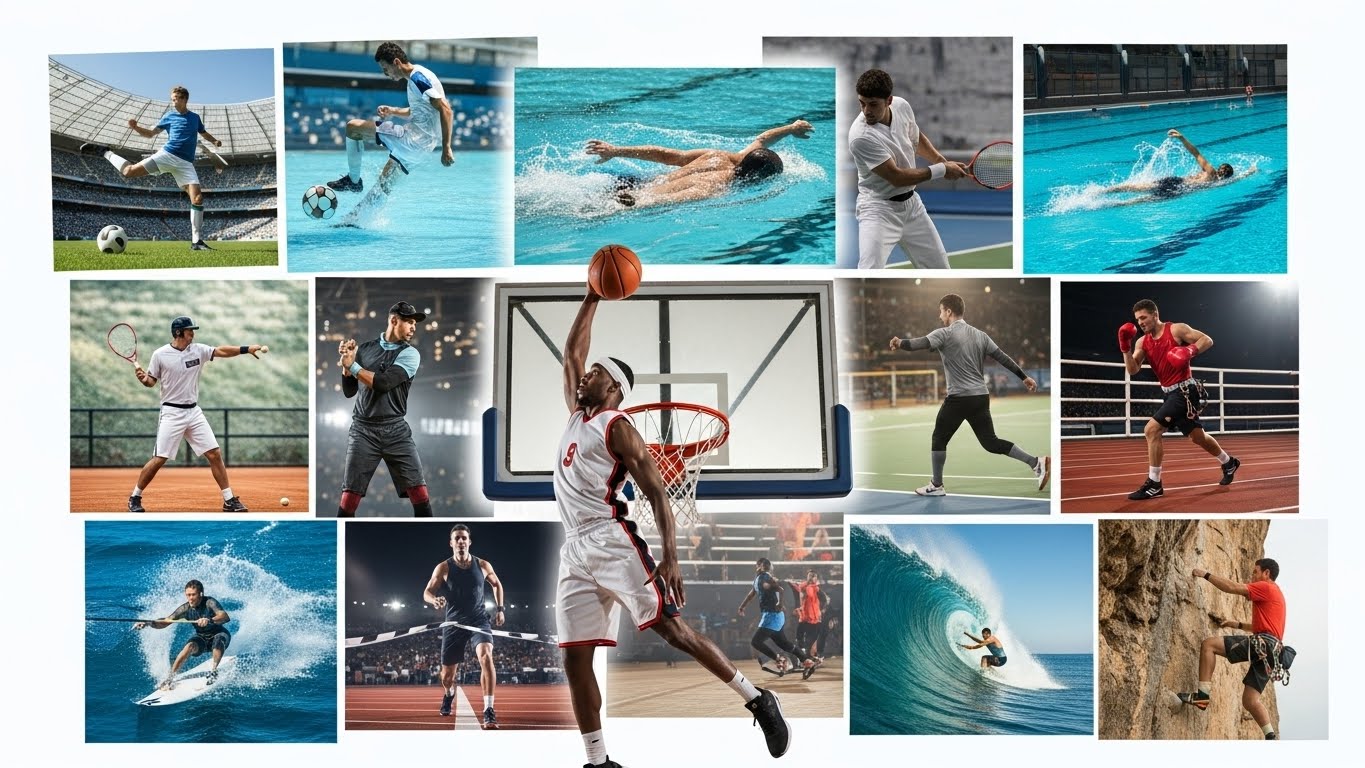
Sports have always been more than just a game. From local playgrounds to global arenas, sports inspire passion, discipline, and unity. They influence societies, shape cultures, and transform individual lives in ways that extend far beyond the scoreboard. Whether it’s the thrill of a last-minute goal, the triumph of a marathon finish, or the teamwork required on a basketball court, sports hold a unique power to connect, motivate, and challenge. In this blog, we explore how sports impact individuals, communities, and the global stage while highlighting the evolving landscape of athletics in the modern era.
The Physical Benefits of Sports
At its core, sports is about movement, activity, and physical engagement. Regular participation in sports strengthens the body, improves endurance, and enhances coordination. Cardiovascular health benefits significantly from activities such as running, swimming, and cycling, while strength-based sports like weightlifting or wrestling promote muscle development and bone density.
Beyond these tangible benefits, sports also improve flexibility, balance, and agility. Athletes often experience faster reaction times and better hand-eye coordination, which can translate to everyday life skills. Engaging in physical activity from a young age instills habits that promote long-term wellness, reducing risks of obesity, diabetes, and other lifestyle-related conditions.
Importantly, sports teach the body to respond to stress. High-intensity training improves stamina and resilience, while endurance sports like long-distance running or rowing enhance mental toughness through physical strain. These benefits illustrate why sports are not just recreational—they are foundational to holistic health and personal development.
Mental and Emotional Impact of Sports
The impact of sports extends far beyond the physical. Participation in athletics has profound effects on mental and emotional well-being. Exercise releases endorphins, which reduce stress, anxiety, and depression, contributing to a healthier mental state. Sports also require focus, strategy, and quick decision-making, enhancing cognitive function and mental sharpness.
Team sports, in particular, foster emotional intelligence. Players learn to manage conflicts, empathize with teammates, and communicate effectively. Individual sports, on the other hand, cultivate self-discipline, self-reflection, and resilience. Overcoming challenges on the field mirrors real-life obstacles, teaching valuable lessons in patience, persistence, and adaptability.
Moreover, the pursuit of personal or team goals provides a sense of purpose and achievement. Winning a championship or even achieving a personal best fosters self-confidence, motivating athletes to set higher standards for themselves in all aspects of life. Sports are not just games—they are exercises in character development and emotional growth.
Sports as a Tool for Social Connection
Sports have an unparalleled ability to unite people across backgrounds, cultures, and geographies. Whether it is a local community league or an international tournament, sports bring people together, creating a shared sense of purpose and camaraderie. Fans, players, and coaches form bonds that transcend individual differences, fostering community cohesion.
School sports and youth leagues provide early opportunities for social development. Children learn teamwork, respect for authority, and social etiquette while interacting with peers. These early experiences often lay the foundation for lifelong relationships, creating networks that extend far beyond the playing field.
Professional and international sports magnify this social impact. Iconic tournaments and leagues create collective experiences that millions of people share simultaneously. National pride, cultural exchange, and global connection are amplified through sports, proving that athletic competition is more than entertainment—it is a medium for social cohesion and unity.
The Evolution of Sports Technology
Sports today are increasingly shaped by technology. Innovations in equipment, training, and analytics are transforming the way athletes prepare, compete, and recover. Wearable devices track vital signs, movement patterns, and performance metrics, allowing coaches and athletes to fine-tune training regimens for optimal results.
Advanced analytics help teams develop strategies based on statistical insights, enhancing performance at every level. Video replay systems, sensors, and motion-capture technology allow athletes to correct technique, prevent injuries, and maximize efficiency. From stadium lighting to fan engagement apps, technology is redefining the sports experience for players and audiences alike.
Virtual and augmented reality are also making inroads into sports. These tools allow athletes to simulate game scenarios, practice in controlled environments, and even engage with fans in immersive ways. The fusion of athletic skill and technological innovation is creating a future where sports are smarter, safer, and more exciting than ever before.
Sports and Cultural Identity
Sports are deeply intertwined with cultural identity. Iconic teams and legendary athletes often become symbols of local, national, or even global pride. Cultural traditions, rituals, and celebrations are frequently tied to sports events, shaping the way communities express themselves and connect with heritage.
For example, football in certain countries is more than a pastime—it is a cultural phenomenon that influences fashion, music, and everyday conversation. Cricket in South Asia carries historical and social significance, reflecting community values and shared experiences. Even emerging sports like esports are cultivating new cultures and fan communities around the world.
Through sports, cultures preserve traditions, celebrate achievements, and foster intergenerational bonds. They create a sense of belonging, reminding people that they are part of something larger than themselves. Sports, therefore, are not merely games—they are living expressions of human culture.
Youth Development and Life Skills
Participation in sports from a young age offers invaluable lessons beyond physical fitness. Discipline, time management, leadership, and teamwork are cultivated naturally through athletic engagement. Children and teenagers learn to balance practice, schoolwork, and personal life, creating habits that serve them well throughout adulthood.
Sports also instill resilience and adaptability. Losing a game teaches humility, perseverance, and the value of effort, while winning encourages goal-setting and strategic thinking. These lessons translate into academic, professional, and personal success, proving that the benefits of sports extend far beyond the playing field.
Furthermore, youth sports programs often provide safe environments for physical activity, mentorship, and personal growth. Coaches and role models guide young athletes, fostering positive development and instilling values that last a lifetime.
Women in Sports: Breaking Barriers
The role of women in sports has undergone a remarkable transformation over the past century. Historically underrepresented and undervalued, female athletes are now breaking records, gaining recognition, and inspiring future generations. From football and basketball to track and field, women are proving that athletic excellence knows no gender.
Increased visibility, sponsorship, and support for women’s sports have encouraged participation at all levels. Representation matters—young girls seeing professional female athletes succeed motivates them to pursue sports and challenge societal expectations. Additionally, women in sports are advocating for equality, fair compensation, and recognition, driving broader social change.
The rise of women in sports is not just about inclusion—it is about redefining standards, inspiring innovation, and showcasing resilience, determination, and talent on a global stage.
The Business and Economics of Sports
Sports have grown into a multi-billion-dollar global industry. Professional leagues, international tournaments, and sponsorship deals create vast economic ecosystems. From ticket sales and merchandising to broadcasting rights and marketing, sports generate significant revenue that impacts economies and job markets.
Athletes themselves have become influential figures, leveraging their talent for endorsements, entrepreneurship, and philanthropic initiatives. Teams and organizations invest heavily in scouting, training, and infrastructure, ensuring competitive excellence while boosting local economies.
The business side of sports also drives innovation. Stadiums equipped with advanced technology, global fan engagement campaigns, and data-driven performance analytics all reflect a market where sports and commerce intersect, demonstrating that athletic achievement and economic opportunity are increasingly intertwined.
Sportsmanship and Ethics
While competition is central to sports, sportsmanship and ethics remain equally important. Respect for opponents, adherence to rules, and fair play form the foundation of every successful athletic endeavor. Ethical behavior fosters trust, integrity, and positive experiences for athletes and fans alike.
Doping scandals, cheating, or misconduct can tarnish reputations and damage the credibility of sports. Conversely, acts of fairness, resilience, and humility inspire admiration and set benchmarks for future generations. Ethical sportsmanship reinforces the idea that success is not solely measured by victory but also by character, effort, and respect.
Teaching and modeling ethical behavior in sports has a ripple effect beyond games, influencing leadership, teamwork, and societal norms in wider communities.
The Globalization of Sports
In the modern era, sports have become a global phenomenon. International competitions, such as the Olympics and world championships, showcase talent from every corner of the globe. Fans follow teams, players, and leagues from countries they may never visit, creating global communities united by shared passion.
This globalization promotes cultural exchange, understanding, and respect. Athletes travel, learn new techniques, and collaborate across borders, enriching their skills and broadening perspectives. Fans experience diverse cultures through sports events, fostering empathy, appreciation, and connection.
Global sports also serve as a platform for social issues, from promoting inclusion and diversity to raising awareness for humanitarian causes. In this way, sports become a universal language that transcends nationality, religion, and politics.