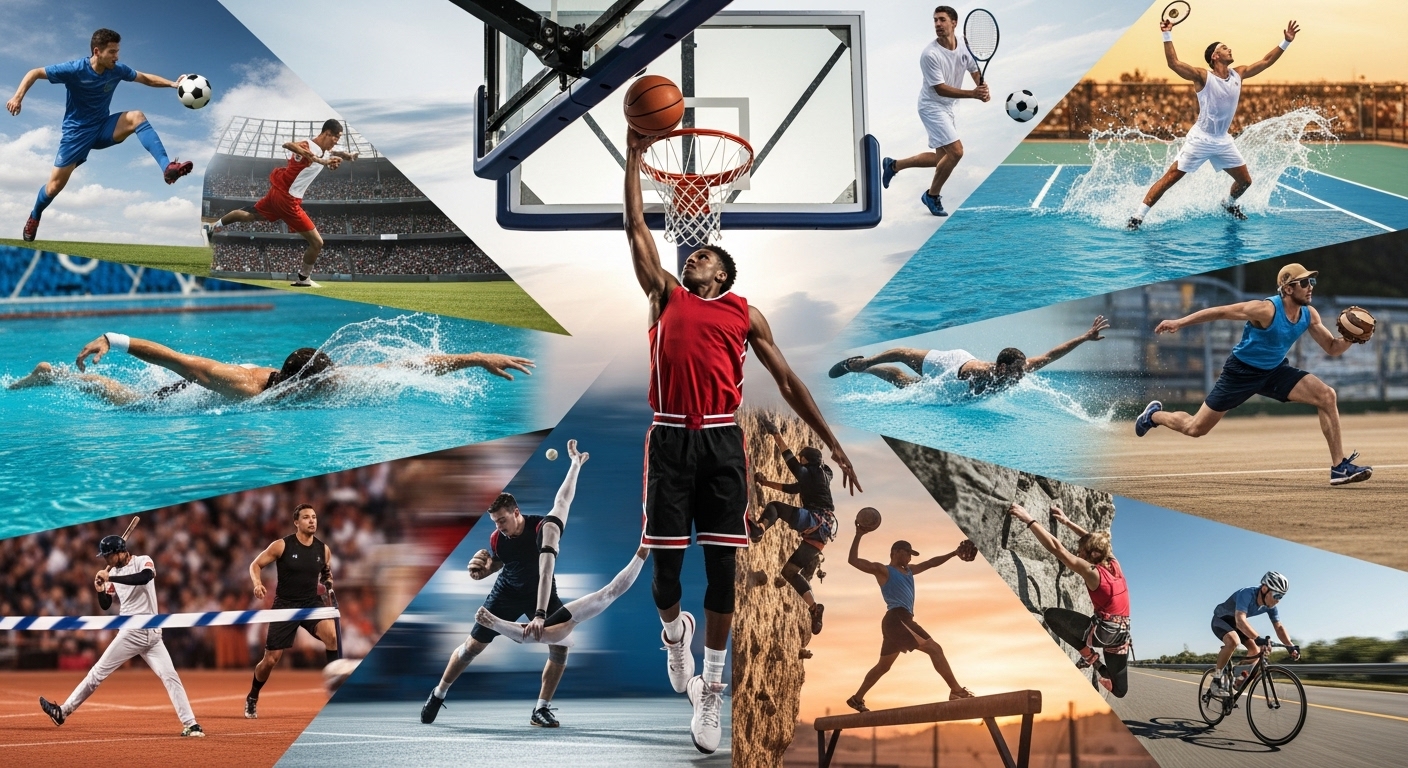





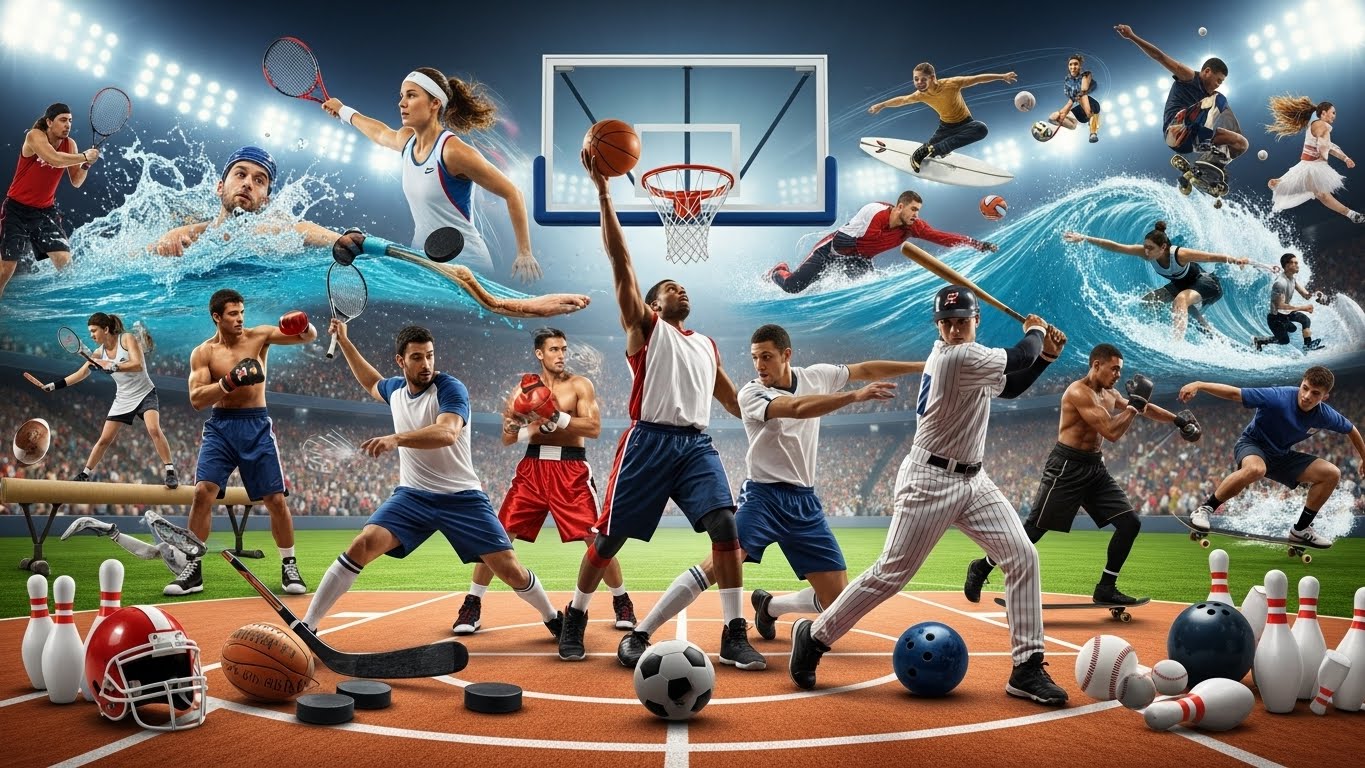
Sports have been an integral part of human civilization for centuries, transcending mere recreation to become a reflection of culture, resilience, and unity. From the dusty fields of rural villages to massive stadiums filled with roaring fans, sports possess a unique ability to inspire, challenge, and connect people across boundaries. In this blog post, we explore the multifaceted world of sports, examining their role in personal development, societal cohesion, physical and mental health, and the evolving landscape of professional athletics.
The Historical Significance of Sports
The origins of sports date back thousands of years, often rooted in survival, ritual, and community bonding. Ancient civilizations such as the Greeks and Romans celebrated physical prowess through competitions that tested strength, endurance, and strategy. The Olympic Games, first recorded in 776 BCE, were more than just contests of speed and skill; they were a symbol of cultural pride and unity among city-states.
Throughout history, sports have adapted to reflect the values and priorities of different societies. In medieval Europe, knights engaged in tournaments to demonstrate combat skills and bravery. Indigenous communities worldwide have developed traditional games that reinforce social structure and cultural identity. This historical perspective highlights that sports are not just entertainment—they are a mirror of humanity’s evolution and societal norms.
Physical Benefits of Sports
One of the most obvious advantages of participating in sports is the improvement of physical health. Regular engagement in sports helps build strength, flexibility, and cardiovascular endurance. Activities such as running, swimming, and cycling enhance stamina and contribute to overall longevity. Team sports like football, basketball, and rugby require dynamic movements that improve coordination and agility, while sports like yoga and gymnastics emphasize balance, posture, and body control.
Sports also play a critical role in preventing chronic diseases. Physical activity reduces the risk of heart disease, diabetes, obesity, and certain types of cancer. For children and adolescents, sports encourage proper growth and development, promoting strong bones and muscles. In adults, maintaining an active lifestyle through sports ensures sustained mobility, healthier weight, and improved immune function.
Mental Health and Emotional Wellbeing
While the physical benefits of sports are widely recognized, the impact on mental health is equally profound. Engaging in sports releases endorphins, often referred to as “feel-good” hormones, which alleviate stress, anxiety, and depression. The structured routines and goal-oriented nature of sports can instill discipline, patience, and resilience in participants.
Sports also foster social connections that contribute to emotional wellbeing. Being part of a team or a sporting community creates a sense of belonging and shared purpose. These social interactions can reduce feelings of loneliness and enhance overall happiness. Furthermore, overcoming challenges in sports—whether mastering a new skill or achieving a personal milestone—builds self-confidence and a sense of accomplishment.
The Role of Sports in Character Development
Participation in sports is often described as a microcosm of life. It teaches lessons that extend far beyond the field or court. Discipline, teamwork, leadership, and time management are all cultivated through regular engagement in sports. Athletes learn to cope with success and failure, understand the importance of perseverance, and develop problem-solving skills in high-pressure situations.
Team sports, in particular, teach individuals to prioritize collective goals over personal glory. Communication, trust, and cooperation become vital for achieving success. These lessons are transferable to professional and personal life, shaping individuals into responsible, empathetic, and resilient members of society.
Sports as a Cultural Phenomenon
Sports are not just activities—they are cultural experiences that reflect societal values and identity. Different regions of the world have sports that carry deep cultural significance. For example, cricket in South Asia is more than a game; it is a unifying force, a source of national pride, and a topic of daily conversation. Soccer in Europe and South America transcends sport, often serving as a cultural ritual that brings communities together.
The rituals, fan traditions, and iconic moments in sports contribute to a shared cultural narrative. Major sporting events, such as the FIFA World Cup or the Olympic Games, foster a sense of global community, where people from different countries come together to celebrate human excellence and unity. Through these events, sports become a platform for diplomacy, cultural exchange, and mutual respect.
The Impact of Professional Sports
Professional sports have transformed the way we perceive athletic achievement and entertainment. With the advent of media and broadcasting, athletes have become global icons, influencing fashion, lifestyle, and social trends. Professional leagues in football, basketball, tennis, and other sports generate billions in revenue and create employment opportunities for millions worldwide.
However, professional sports also raise questions about commercialization, ethics, and mental health. Athletes face immense pressure to perform at the highest level, often balancing public scrutiny with personal challenges. Despite these pressures, professional sports remain a source of inspiration, motivating millions to pursue their dreams and strive for excellence.
The Influence of Technology in Sports
The modern sports landscape is heavily influenced by technology, which has revolutionized training, performance analysis, and fan engagement. Wearable devices, motion sensors, and artificial intelligence provide athletes and coaches with data-driven insights to optimize performance and prevent injuries. Virtual reality and augmented reality are enhancing fan experiences, allowing audiences to immerse themselves in games like never before.
Technology has also increased accessibility, enabling individuals to participate in sports regardless of geographic or physical limitations. Online platforms offer virtual coaching, fitness challenges, and global competitions, making sports more inclusive and diverse. This technological integration demonstrates that sports are continuously evolving, adapting to the needs of a changing world.
Women in Sports: Breaking Barriers
Historically, sports were dominated by men, with women often excluded from participation or recognition. In recent decades, however, female athletes have shattered stereotypes and achieved remarkable success. From tennis legends to soccer champions, women have proven that skill, dedication, and determination know no gender boundaries.
The rise of women in sports has broader societal implications, challenging gender norms and promoting equality. Female representation in athletics encourages young girls to pursue sports confidently, fostering empowerment and leadership. As women continue to gain recognition and opportunities in sports, society benefits from diverse perspectives and a more inclusive environment.
Sports and Youth Development
Engaging young people in sports is crucial for holistic development. Sports teach children essential life skills such as teamwork, discipline, goal-setting, and resilience. Participating in competitive and recreational activities also improves cognitive abilities, concentration, and problem-solving skills.
Moreover, sports provide an outlet for energy, reducing the likelihood of engagement in harmful behaviors. Schools and community programs that promote sports help shape responsible, active, and socially conscious individuals. Early exposure to sports instills a lifelong appreciation for health, fitness, and collaboration, laying the foundation for a productive adult life.
The Globalization of Sports
In today’s interconnected world, sports transcend national borders, creating a truly global phenomenon. International competitions, athlete exchanges, and global media coverage bring diverse cultures together through shared passion. Fans can follow athletes from distant countries, celebrate international achievements, and experience a sense of belonging to a worldwide community.
Globalization also encourages the exchange of ideas and techniques, raising the standard of performance across nations. Athletes learn from international peers, adopt innovative training methods, and participate in cross-cultural tournaments. As sports continue to globalize, they serve as a unifying force that bridges differences and promotes global understanding.
The Future of Sports
The future of sports promises exciting developments driven by technology, social change, and sustainability. Innovations such as smart equipment, AI-powered coaching, and enhanced safety measures will redefine performance and accessibility. There is also growing emphasis on environmental responsibility, with sporting events adopting eco-friendly practices to reduce their carbon footprint.
Furthermore, sports will continue to champion inclusivity, equality, and mental health awareness. Adaptive sports for differently-abled individuals, initiatives promoting women’s participation, and mental health support programs are reshaping the sporting world into a more compassionate and equitable space. The next generation of athletes will inherit a sports landscape that values excellence, diversity, and human connection.
Conclusion
Sports are far more than a competition of physical skills. They are a reflection of culture, a catalyst for personal and societal growth, and a powerful source of unity and inspiration. From their historical roots to modern-day professional leagues, sports influence our physical health, mental wellbeing, and social development. They teach invaluable life lessons, break down barriers, and connect people across continents.
As we celebrate athletic achievements, participate in recreational activities, or cheer for our favorite teams, we must recognize the profound impact of sports on humanity. Beyond the game, sports are a celebration of resilience, collaboration, and the limitless potential of the human spirit. They remind us that whether on the field or in life, dedication, passion, and teamwork can overcome challenges, inspire greatness, and create a better, more connected world.