




Introduction: More Than Just a Game
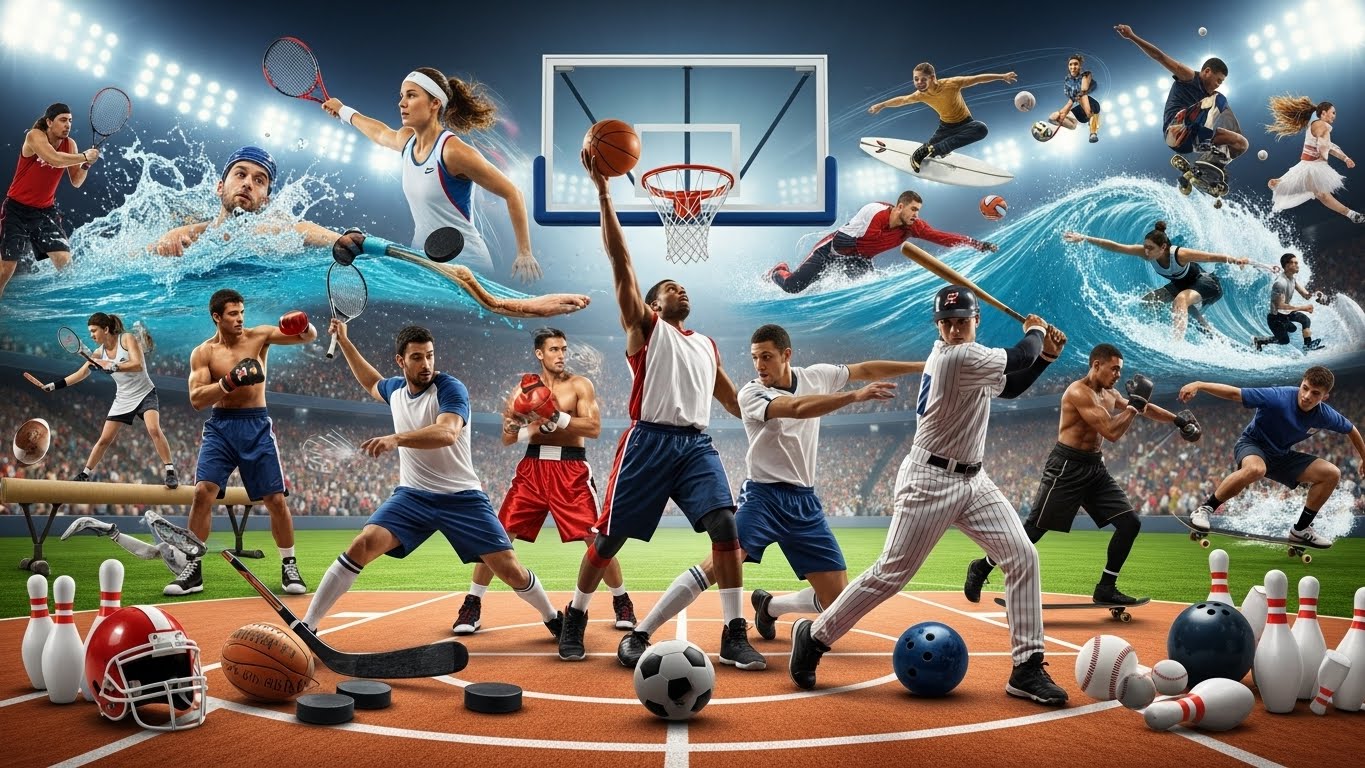
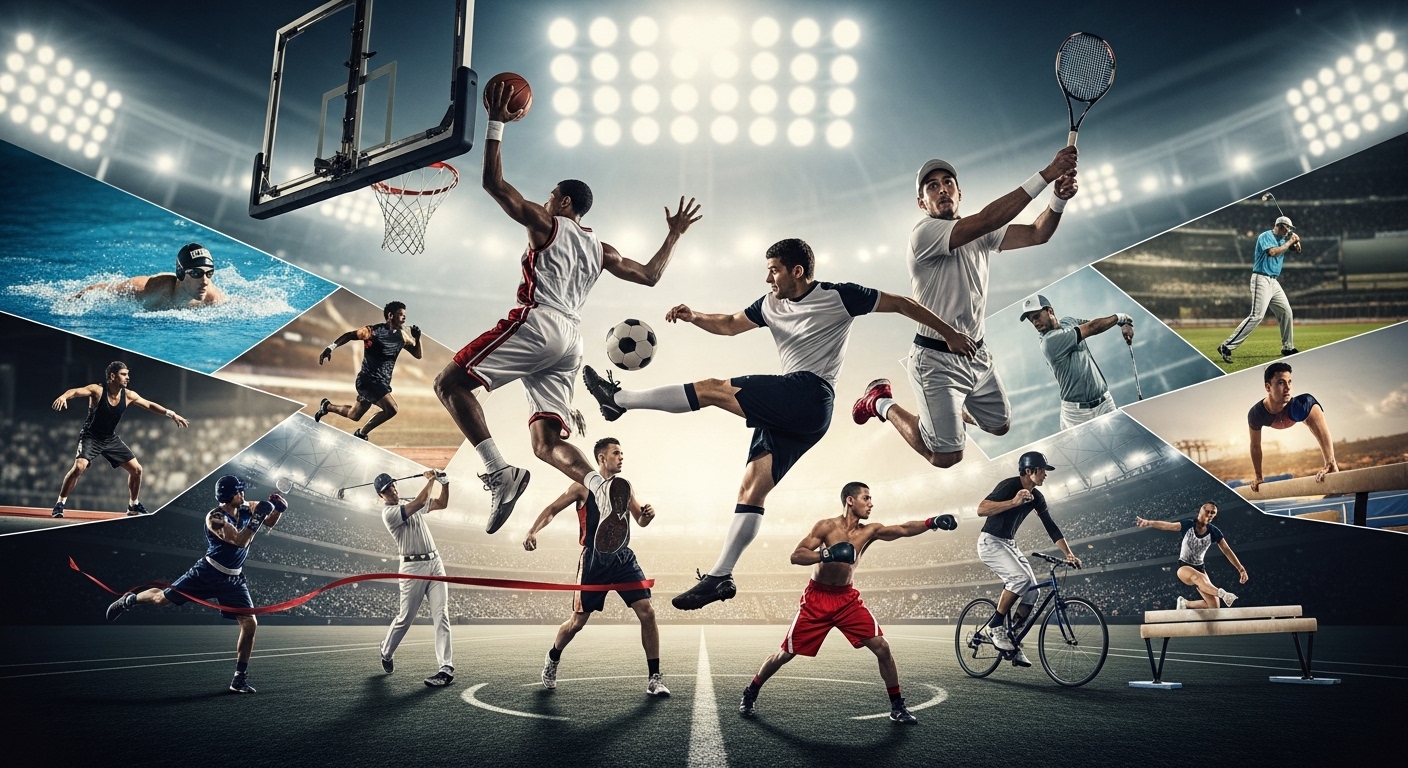
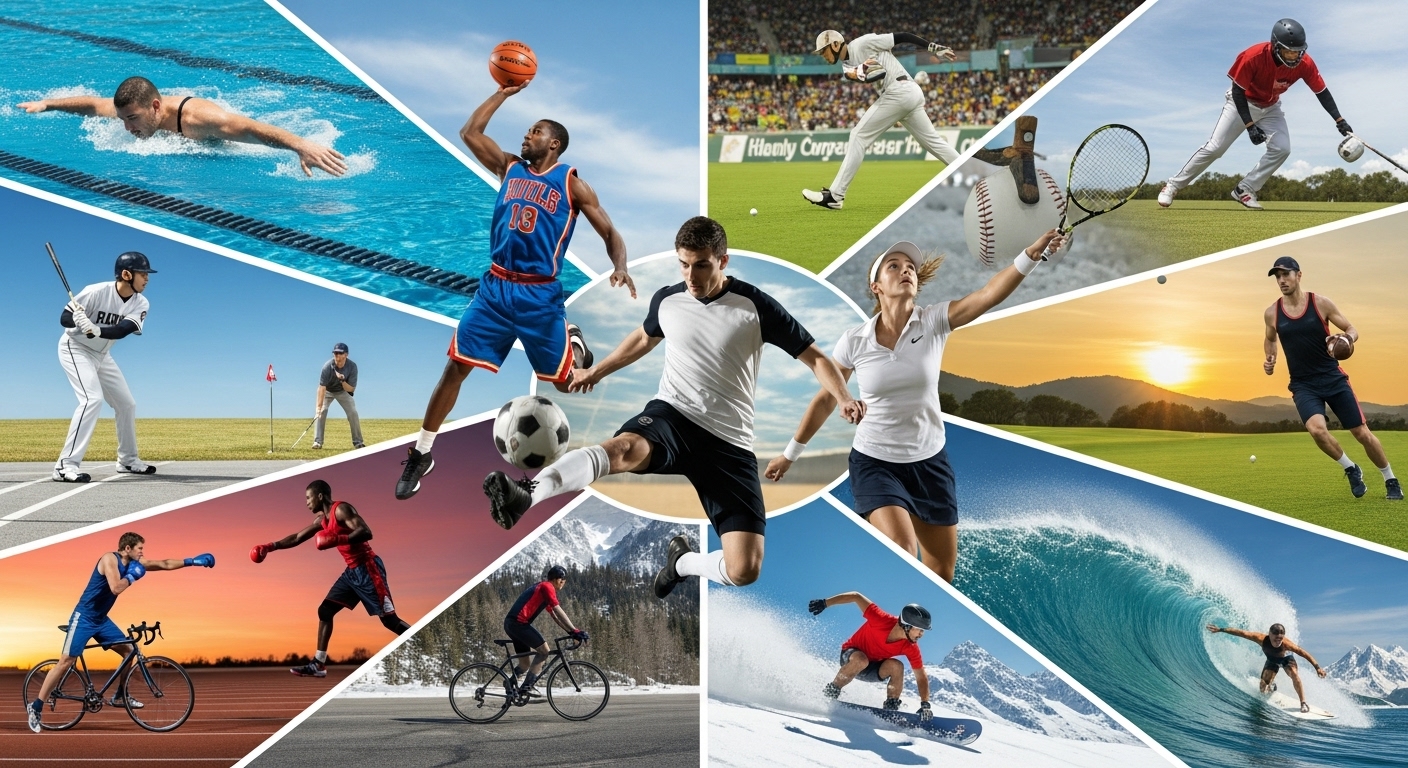
Sports have been an integral part of human culture for centuries. Whether it’s the thrill of a last-minute goal or the camaraderie of a team huddling together, the impact of sports goes far beyond the game itself. From fostering discipline to teaching life lessons, sports have the potential to shape individuals and communities in profound ways. But what is it that makes sports such a powerful force in our lives?
The Physical Benefits: Strengthening the Body
At the most basic level, sports promote physical health. Regular participation in sports helps improve cardiovascular health, increase flexibility, and build muscle strength. It’s not just about looking fit; it’s about feeling better and leading a healthier lifestyle. Engaging in sports is an effective way to combat lifestyle diseases such as obesity, diabetes, and hypertension. The act of moving, running, or stretching the body stimulates the release of endorphins, which help in reducing stress and improving overall mental well-being.
Moreover, for younger individuals, sports can instill habits that last a lifetime. Active children tend to grow into adults who prioritize physical health, reducing the risks associated with sedentary behavior.
Mental Toughness: Building Resilience
While physical benefits are important, sports also help in developing mental toughness. Every athlete knows the feeling of facing defeat or struggling through a tough match. It’s in these moments that resilience is forged. Sports teach individuals how to manage pressure, stay focused under adversity, and bounce back from failure.
In team sports, the importance of perseverance and a growth mindset is evident. When a team loses, players must reflect on their weaknesses, learn from their mistakes, and come back stronger. This kind of mental discipline isn’t just valuable on the field—it carries over into personal and professional life, where setbacks and challenges are inevitable.
Social Connections: The Bond of Teamwork
Sports have the power to bring people together. Whether you’re a professional athlete or a casual player, engaging in sports creates opportunities for social interaction and connection. Team sports, in particular, emphasize the importance of collaboration and communication. Players must work together to achieve a common goal, and success is often a reflection of how well the team functions as a unit, not just the individual effort.
Even outside the team environment, sports help break down social barriers. Fans from different backgrounds unite over their shared love for a team or sport. This sense of belonging fosters community spirit and makes sports a universal language.
Life Lessons: Discipline, Commitment, and Time Management
One of the most significant impacts of sports is the way it teaches essential life skills. For athletes, commitment is key—whether it’s showing up for practice or pushing through fatigue during a competition. The ability to stick to a goal, stay disciplined, and keep working towards improvement are qualities that sports naturally cultivate.
Additionally, sports offer important lessons in time management. Balancing practice, games, school, work, and personal life requires the development of strong organizational skills. Athletes learn how to prioritize, schedule, and be accountable for their time—skills that are highly valued in any career.
The Global Impact: A Catalyst for Change
Sports are not just a tool for personal development but also serve as a platform for societal change. Major sporting events like the Olympics or the FIFA World Cup bring countries together, promoting peace, unity, and the celebration of culture. Through sports, individuals from diverse backgrounds can showcase their talents and make a mark on the world stage.
Moreover, sports have long been used as a tool for social activism. Iconic moments, like the raised fist of Tommie Smith and John Carlos at the 1968 Olympics, show how athletes can use their platforms to address important issues such as racial equality and justice. Sports can be a powerful voice for those who wish to make change, both on a local and global scale.
Conclusion: The Enduring Impact of Sports
Whether it’s the thrill of competition, the joy of being part of a team, or the life skills gained along the way, sports are an essential part of human culture. They don’t just shape the bodies of athletes; they mold the minds and spirits of those who engage in them. The lessons learned in the world of sports—discipline, teamwork, perseverance, and resilience—carry far beyond the field, impacting all aspects of life.
In a world where we are constantly facing challenges, sports remain a reminder that with effort, collaboration, and a strong mindset, anything is possible. The impact of sports is not just measured in trophies and medals, but in the lives they touch and the changes they inspire.