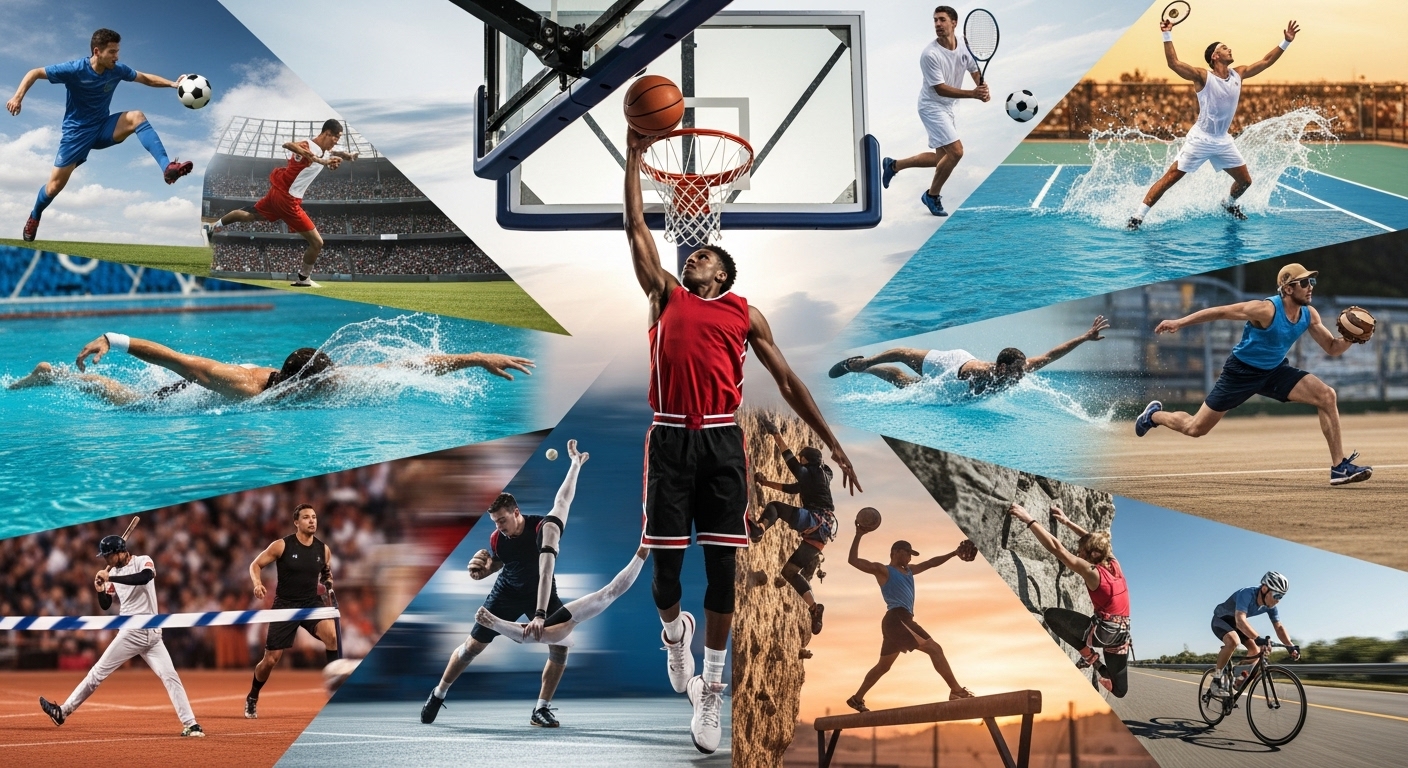






Sports have always been more than just games. They are a reflection of who we are as people, of our history, and of our desires to challenge ourselves, connect with others, and be part of something larger. Whether it’s the thrill of competition, the lessons learned through teamwork, or the unity that comes from shared passion, sports are a thread that runs through the very fabric of human society. This blog will explore how sports have evolved through time and why they continue to play such a pivotal role in shaping our world.
The Ancient Beginnings: Where Competition Meets Culture
From the earliest days of human history, sports have played a vital role in civilization. In ancient societies, athletic contests were not merely for entertainment—they were often tied to survival, religious practices, or the affirmation of social status. The Egyptians, Greeks, and Romans engaged in various forms of physical competition, from chariot races to gladiatorial combat, demonstrating how deeply integrated sports were into their cultures.
The most well-known ancient sporting event, the Olympic Games, originated in Greece in 776 BCE. Initially, these were held as a tribute to the gods, but they soon became a symbol of physical excellence, where warriors, athletes, and leaders were celebrated for their strength and skill. The Olympics, which began as a religious and cultural tradition, would lay the foundation for the modern sporting events we know today.
The Middle Ages: A Shift Toward Entertainment and Community
As the world transitioned into the Middle Ages, sports took on a different form. While warfare and feudal struggles dominated the era, the nobility embraced contests of skill and strength. Jousting, archery, and melee tournaments became major spectacles, offering knights and royalty a chance to demonstrate their prowess. These events were not only forms of entertainment but also symbols of power and prestige.
In contrast, the common people engaged in more grassroots competitions. Folk games, often unorganized and informal, became a way for villagers and townspeople to connect. These games were simpler in nature—ball games, footraces, and wrestling contests—but they played a vital role in fostering community spirit and offering a break from the harsh realities of medieval life. These early folk games would eventually evolve into the modern team sports we recognize today, like soccer and rugby.
Industrialization and the Rise of Organized Sports
The Industrial Revolution, which began in the 18th century, marked a turning point in the history of sports. With the growth of factories and cities, people had more free time than ever before, and sports began to evolve from informal pastimes into organized, competitive events. The construction of stadiums, the formation of clubs, and the creation of governing bodies for various sports laid the foundation for modern sports leagues.
By the mid-1800s, the world saw the establishment of formalized rules and regulations in popular sports like soccer and rugby in Britain. The rise of mass transportation systems, such as trains, made it easier for teams to travel and compete, setting the stage for national and international competitions. This period also saw the birth of the modern Olympics, reintroduced in 1896 under the leadership of Pierre de Coubertin, which helped cement the idea of sports as a global unifying force.
The Golden Age: Sports as a Global Phenomenon
The 20th century marked the golden age of sports, as they became an integral part of global culture. Advancements in media technology, including radio and television, made it possible for millions of people to watch and follow their favorite athletes and teams. Sports stars like Pelé, Michael Jordan, Serena Williams, and Muhammad Ali became icons, transcending the boundaries of their respective sports to become global figures.
The commercial aspect of sports also flourished during this time. With the rise of sponsorships, endorsements, and media contracts, professional sports became an industry worth billions of dollars. The growing global popularity of events like the FIFA World Cup, the Olympics, and the Super Bowl brought countries together, allowing people from all over the world to celebrate their shared love of competition and athleticism.
Importantly, the 20th century was also a period of social change. Athletes used their platforms to speak out on issues of racial inequality, gender rights, and social justice. For example, the 1968 Olympics saw Tommie Smith and John Carlos raise their fists in protest against racial segregation, while the success of women’s sports helped catalyze the fight for gender equality in athletics.
Technology and the Modern Era: Changing the Way We Play and Watch
In the 21st century, technology has further transformed the landscape of sports, affecting everything from how games are played to how they are experienced by fans. The advent of the internet and streaming services has made sports more accessible than ever. Fans can watch games live from almost anywhere in the world, interact with athletes on social media, and access real-time statistics and analysis at the touch of a button.
The integration of technology into the actual playing of sports has also had a profound impact. Innovations like wearable fitness trackers, performance analytics, and video review systems such as VAR (Video Assistant Referee) in soccer and instant replay in basketball have made the games more accurate, fair, and exciting. Athletes now use technology to monitor their training, recover faster, and enhance their performance, taking sports to levels of precision and excellence never before imagined.
Additionally, esports have emerged as a major force in the world of competitive gaming. While video games were once seen as a pastime, professional esports leagues have transformed gaming into a multi-billion-dollar industry with millions of fans across the globe. Esports represent the intersection of technology and sports, attracting a younger audience and opening up new possibilities for athletic competition in the digital age.
Sports as a Cultural and Social Force
What makes sports so powerful is their ability to bring people together. Whether it’s the local community rallying behind a youth soccer team or countries uniting to cheer on their athletes at the Olympics, sports have a unique way of fostering pride, identity, and belonging. They transcend language barriers, cultural differences, and political boundaries, offering a space for people to connect on a shared human level.
Sports also continue to serve as a platform for social change. From the Civil Rights Movement in the U.S. to the fight for LGBTQ+ rights in athletics, sports have long been a stage for challenging societal norms and advocating for justice. Athletes use their fame to draw attention to important causes, proving that the impact of sports extends far beyond the field of play.
Conclusion: The Enduring Impact of Sports
Sports have come a long way since their early days in ancient civilizations, and their evolution is far from over. As they continue to adapt to new technologies, social changes, and cultural shifts, they remain a core part of our collective identity. Whether as a form of entertainment, a vehicle for social change, or a way to bring communities together, sports hold a mirror to society and reflect the values and ideals that shape us.
As we look toward the future, the power of sports will only continue to grow. From grassroots games to global spectacles, sports will remain a vital part of human culture, inspiring us to compete, unite, and strive for greatness. The heart of sports beats within us all, reminding us that, no matter where we come from or who we are, we are all connected by our shared love of the game.