




Introduction
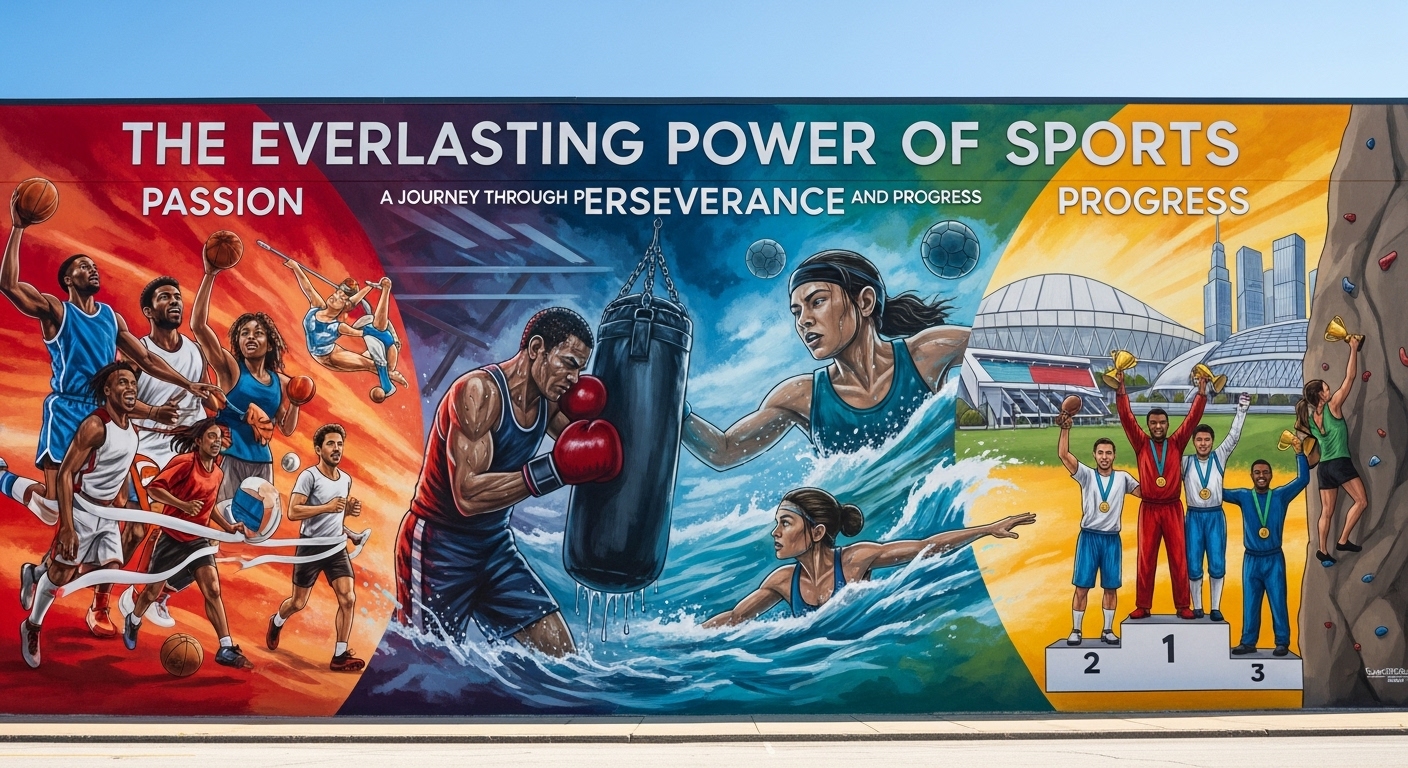
Sports are far more than a display of physical strength or speed. They are a reflection of the human spirit—a combination of discipline, ambition, teamwork, and passion. From ancient arenas to modern stadiums, sports have played a vital role in shaping societies, teaching life lessons, and inspiring generations. They connect people beyond boundaries, race, and language, becoming a universal symbol of unity and perseverance.
Throughout history, sports have influenced not just individual lives but entire cultures. They encourage a healthy lifestyle, build confidence, and nurture the values that make people stronger both mentally and emotionally. In this fast-paced digital era, the relevance of sports remains undiminished. They continue to be a driving force for social development, peace, and personal growth.
The Historical Roots of Sports
The history of sports is as old as civilization itself. In ancient Greece, the Olympic Games were held to honor the gods and to celebrate human excellence. These games were not only physical contests but also cultural events that showcased art, music, and intellect. Similarly, the Chinese practiced martial arts thousands of years ago as a discipline that combined physical training with mental balance.
In ancient Egypt, people played ball games for both recreation and ritual, while the Mayans in Central America had their own competitive sports that symbolized unity and spirituality. These early sports were not about medals or fame—they were about pride, survival, and the joy of human achievement.
As time passed, sports evolved from local pastimes into global phenomena. The modern Olympic Games revived in 1896 set the stage for international competition and cooperation. Today, sports represent a bridge that connects diverse cultures, reminding us that competition can coexist with friendship.
The Power of Sports in Modern Life
In today’s world, sports hold immense social, cultural, and psychological significance. They are no longer confined to the boundaries of a field or court—they influence politics, education, and even business. Athletes have become global icons, inspiring millions through their stories of struggle and success.
Sports are a vital part of education systems worldwide. Schools encourage students to engage in games not just for fitness but also for character development. Participation in sports teaches values such as discipline, respect, teamwork, and perseverance—qualities that build successful individuals.
Furthermore, sports are an effective tool for social unity. When a nation’s team wins an international tournament, people forget differences of class, religion, or language and celebrate together. That shared pride and emotion make sports a force for harmony and solidarity.
The Physical Benefits of Sports
One of the most obvious advantages of sports is the improvement of physical health. Regular participation helps strengthen the heart, muscles, and bones. It improves circulation, boosts metabolism, and helps maintain a healthy weight.
Children who grow up playing sports are more likely to develop better posture, coordination, and motor skills. Adults benefit from reduced risks of chronic diseases such as obesity, hypertension, and diabetes. Even the elderly can improve their balance and flexibility through light physical activities like walking, swimming, or yoga-inspired exercises.
Unlike gym workouts that may feel repetitive, sports add an element of enjoyment. The fun of playing, competing, and improving performance keeps people motivated to stay active. Thus, sports are one of the most natural and enjoyable ways to maintain a healthy lifestyle.
The Mental Strength Gained Through Sports
Sports are as much a mental exercise as they are physical. They teach individuals to handle pressure, manage emotions, and develop concentration. Every athlete learns how to stay focused despite distractions, recover from mistakes, and continue striving toward goals.
The mental benefits extend beyond the playing field. People who engage in sports often show greater confidence, emotional control, and resilience in everyday life. They learn how to win with humility and lose with dignity—an important lesson for both personal and professional success.
Moreover, sports reduce stress and anxiety by releasing endorphins, the body’s natural mood boosters. In an age where mental health concerns are rising, playing sports provides a healthy and natural outlet for emotional balance.
Sports as a Symbol of Teamwork and Unity
Team sports like football, cricket, basketball, and hockey are perfect illustrations of how unity can create success. Every player has a specific role, and the outcome depends on collaboration. These sports teach individuals how to communicate, trust others, and work toward a common goal.
Teamwork in sports mirrors teamwork in life. Just as players rely on one another on the field, people in workplaces and communities must depend on cooperation and coordination. The lessons learned through sports help individuals become better leaders and teammates in all walks of life.
Team sports also promote empathy and respect. When players compete, they learn to appreciate the strengths of others and accept their own weaknesses. The harmony created through shared effort becomes a reflection of what true unity can achieve.
The Rise of Women in Sports
Over the past few decades, women have made remarkable progress in sports. From local competitions to global championships, female athletes have proven that passion and skill know no gender. They have broken stereotypes, challenged limitations, and inspired generations of young girls to pursue their dreams.
Names like Serena Williams, Simone Biles, and Alex Morgan have become synonymous with excellence, courage, and determination. Their achievements remind the world that equality in sports is not only possible but essential. The increased visibility of women in sports has encouraged gender balance and redefined what it means to be an athlete.
The growing recognition and support for women’s sports represent a significant step toward fairness and inclusion. It also highlights the power of sports to promote social change and empower individuals regardless of gender.
Sports and Education
Sports and academics are not separate worlds—they complement each other. Educational institutions that integrate sports into their systems often produce more disciplined, confident, and creative students. Physical activity improves memory and cognitive function, helping students perform better in studies.
Sports teach students how to manage time, handle stress, and face challenges. These qualities translate directly into academic and professional success. Schools and colleges that invest in sports programs not only promote physical fitness but also build character and leadership.
Furthermore, sports scholarships and competitions open doors for talented students to pursue higher education and professional careers. This connection between education and sports continues to shape future generations in positive ways.
The Global Influence of Sports
Sports have the rare ability to unite the world. Events like the Olympic Games, the FIFA World Cup, and regional tournaments bring nations together under one spirit of competition and peace. For a brief moment, political and cultural divides are replaced by mutual respect and shared excitement.
Athletes become ambassadors of their countries, representing the values of dedication, integrity, and sportsmanship. Through sports, the world learns the importance of coexistence and cooperation.
Sports diplomacy has often played a role in building bridges between countries. Friendly matches, charity games, and cultural exchanges have shown that competition can foster friendship rather than conflict. In this way, sports serve as a universal language of peace and unity.
Technology’s Role in Modern Sports
Technology has transformed the world of sports, making it more efficient, fair, and exciting. Advanced training equipment, performance analytics, and wearable devices allow athletes to monitor their health and improve their skills. Coaches use video analysis to study opponents and refine strategies.
Fans also enjoy enhanced viewing experiences through high-definition broadcasts and real-time updates. Virtual reality and simulation technologies have created new ways to experience the thrill of sports without being on the field.
However, while technology adds precision and convenience, it should never replace the human element. The heart of sports lies in emotion, instinct, and passion—qualities that no machine can replicate.
The Economic and Social Impact of Sports
The sports industry is one of the largest in the world, generating billions in revenue and creating countless jobs. From manufacturing sportswear to organizing international tournaments, sports drive economic growth and tourism. Cities that host global events experience massive boosts in infrastructure and employment.
On the social front, sports programs empower youth and bring communities together. They provide positive alternatives to negative influences and encourage social inclusion. Local sports initiatives often become platforms for talent discovery and community pride.
In developing nations, sports can be a tool for social transformation. They promote health awareness, gender equality, and education. By investing in sports, societies invest in their future.
Challenges in the World of Sports
Despite its beauty, the world of sports faces several challenges. Issues like corruption, doping, and discrimination threaten the integrity of the games. Over-commercialization has sometimes shifted focus from true athleticism to profit.
Another growing concern is the mental health of athletes. The pressure to perform at elite levels can lead to anxiety, burnout, and emotional exhaustion. It is crucial that sports organizations and fans alike support athletes not only as performers but as human beings.
Ensuring fair opportunities, promoting ethics, and maintaining sportsmanship are essential to preserving the true spirit of sports.
The Spirit of Sportsmanship
Sportsmanship is the foundation of every game. It represents respect for rules, opponents, and officials. True sportsmanship is not about winning at all costs but about playing with integrity and fairness.
Athletes who show humility in victory and grace in defeat earn greater admiration than those who win through arrogance. The spirit of fair play teaches us the importance of respect, honesty, and compassion—values that define good human character.
Sportsmanship reminds us that the real victory lies not in the score but in the courage to give our best, to rise after failure, and to play with heart.
Conclusion
Sports are a timeless celebration of human potential. They embody strength, endurance, creativity, and unity. Whether played on the streets, in schools, or on international stages, sports continue to inspire hope and bring joy to millions.
The lessons learned through sports extend far beyond the field—they shape personalities, strengthen communities, and build nations. They teach us that success is not defined by trophies but by the journey, the effort, and the spirit of perseverance.
In every athlete’s sweat, in every crowd’s cheer, and in every child’s dream, the essence of sports lives on—a reminder that through teamwork, determination, and respect, humanity can always achieve greatness.