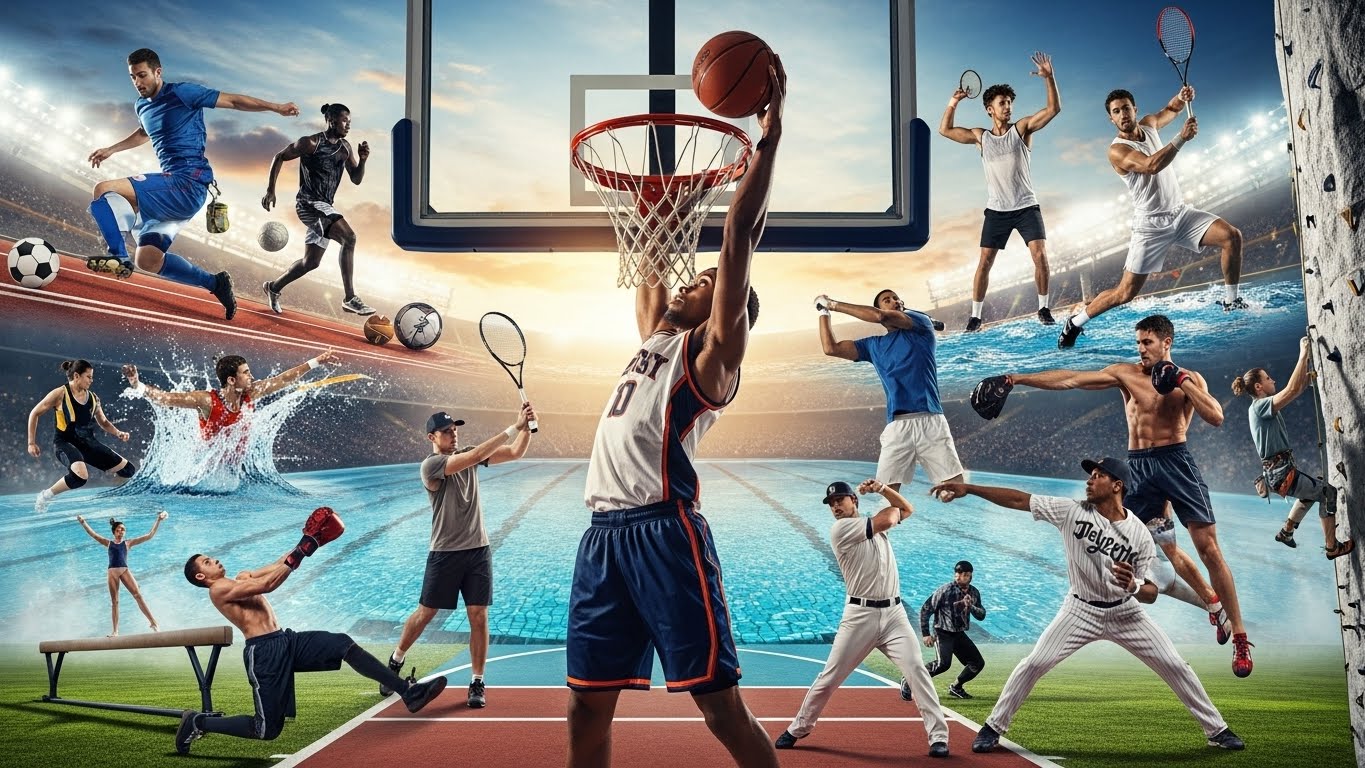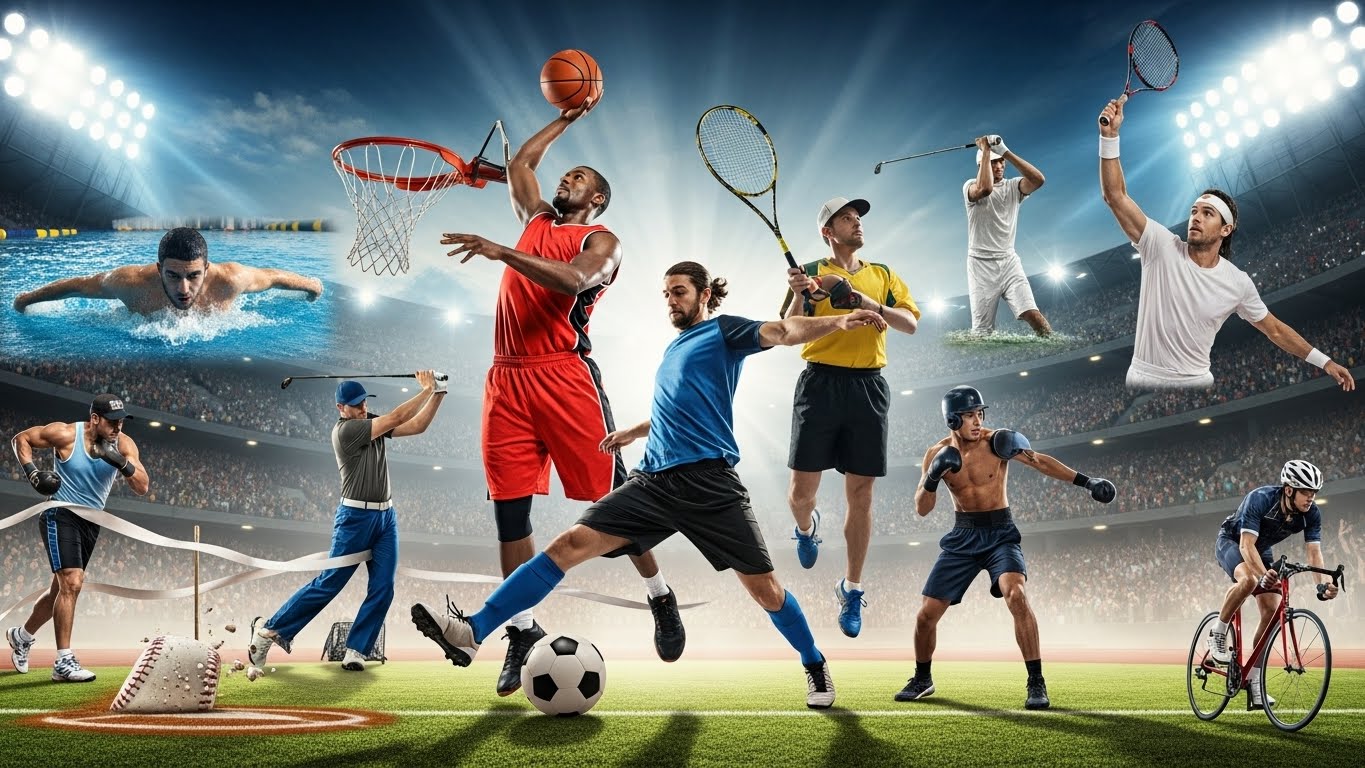





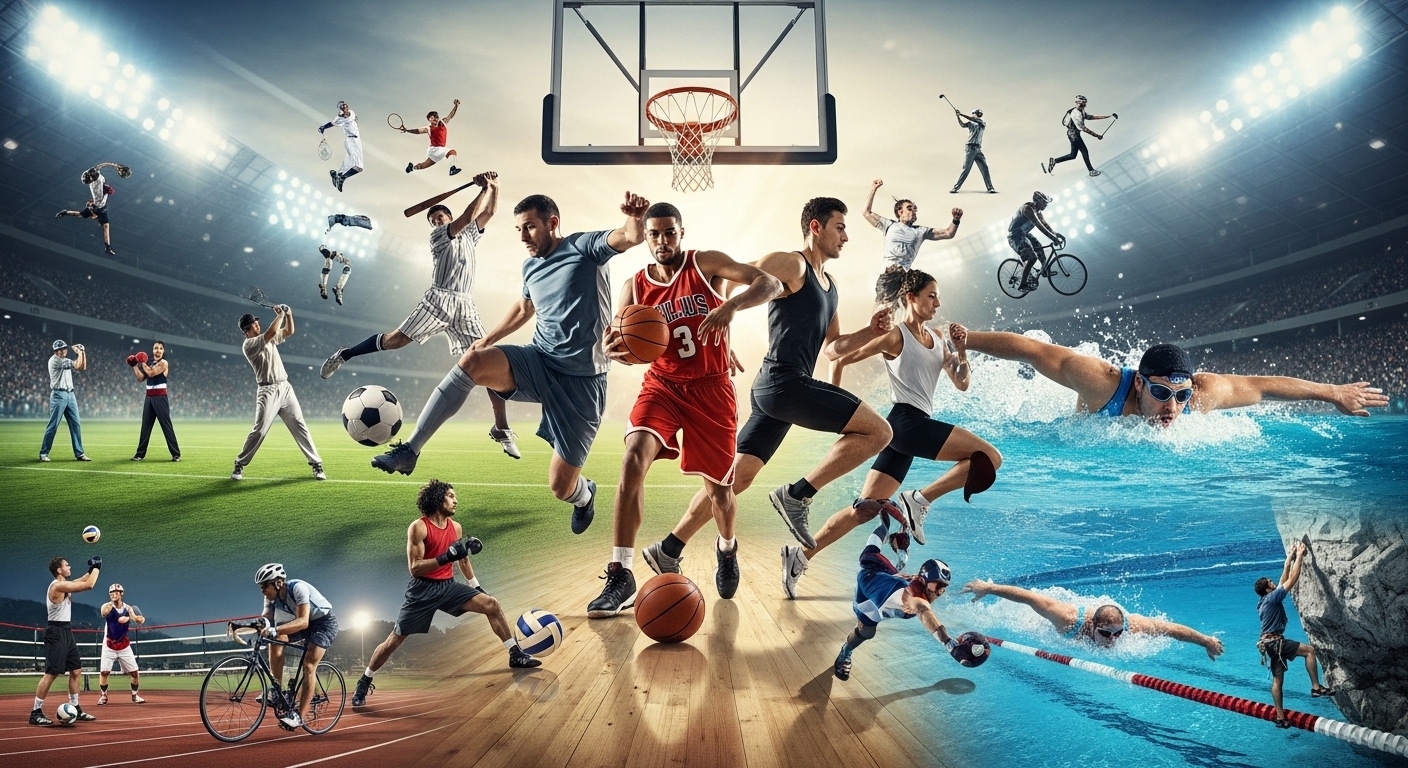
Introduction: The Timeless Power of Sports
Sports have always been more than a form of entertainment. They are a reflection of human spirit, discipline, and determination. From local playgrounds to global arenas, sports inspire communities, unite nations, and foster personal growth. Across cultures and generations, sports have been a universal language that transcends boundaries and differences. This blog explores the significance of sports in our lives, their social and cultural impact, and the evolution of athletic competition in the modern era.
The Origins of Sports: From Ancient Games to Modern Play
The history of sports dates back thousands of years. Ancient civilizations organized physical contests to celebrate strength, skill, and teamwork. The Greeks introduced the Olympic Games, where athletes competed in running, wrestling, and other disciplines to honor the gods. Similarly, ancient civilizations in China, Egypt, and Mesopotamia developed games that combined physical prowess and strategic thinking.
Over centuries, sports evolved to reflect societal values, technological advancements, and cultural diversity. Modern sports, from football and basketball to swimming and track, retain the same fundamental principles of competition, skill, and fair play that characterized early athletic traditions.
The Physical and Mental Benefits of Sports
Engaging in sports provides numerous physical benefits. Regular participation improves cardiovascular health, muscular strength, flexibility, and endurance. It also promotes coordination, balance, and overall fitness. For children and adolescents, sports encourage healthy growth and help establish lifelong habits for maintaining physical well-being.
Sports also enhance mental health. Physical activity reduces stress, anxiety, and depression while improving mood and self-esteem. Competitive sports teach goal-setting, resilience, and focus. Athletes learn to manage pressure, handle setbacks, and persevere, cultivating mental toughness that extends beyond the playing field.
Team Sports: Building Collaboration and Leadership
Team sports, such as football, basketball, volleyball, and cricket, teach collaboration, communication, and leadership. Players must work together, understand each other’s strengths and weaknesses, and coordinate strategies to achieve a common goal. These experiences translate into real-life skills, helping individuals develop empathy, problem-solving abilities, and a sense of responsibility.
Leadership emerges naturally within team dynamics. Captains and senior players learn to motivate their peers, make strategic decisions, and handle conflicts. Team sports foster a balance between personal achievement and collective success, demonstrating the importance of unity and cooperation.
Individual Sports: Mastery and Self-Discipline
Individual sports, such as tennis, athletics, swimming, and gymnastics, emphasize personal accountability and discipline. Athletes must take responsibility for their performance, set personal goals, and consistently work to improve. Success in individual sports relies heavily on self-motivation, focus, and resilience.
Individual sports also provide an opportunity for introspection and self-awareness. Athletes learn to push their limits, assess their progress, and develop strategies for continuous improvement. The lessons of perseverance, patience, and determination gained through individual competition extend beyond the arena, shaping character and personal growth.
Sports as a Social Connector
Sports have a unique ability to connect people across cultures, ages, and backgrounds. Community events, local leagues, and school competitions bring individuals together, fostering social interaction and mutual respect. International events, such as the Olympics, FIFA World Cup, and Commonwealth Games, unite nations in celebration of athletic excellence.
Fans form communities based on their shared passion for teams, players, and sporting achievements. Sports encourage dialogue, camaraderie, and understanding, breaking down barriers and building bridges among diverse populations. This social aspect of sports highlights its role as a cultural unifier and a tool for global connection.
The Cultural Impact of Sports
Sports influence culture in profound ways. They inspire fashion, music, film, and art. Iconic athletes become role models and symbols of perseverance, dedication, and success. Sports narratives, from underdog victories to legendary performances, capture public imagination and become part of collective memory.
Cultural rituals surrounding sports, such as cheering traditions, mascots, and fan chants, reflect identity and community pride. Sporting events often serve as platforms for social change, advocating for equality, justice, and awareness. The cultural significance of sports extends far beyond the field, shaping society’s values, aspirations, and creativity.
Sports and Education: Shaping the Future
Incorporating sports into education has multiple benefits. Schools use physical education to promote health, teamwork, and discipline among students. Participation in school teams teaches time management, responsibility, and leadership. Academic institutions also recognize athletic talent through scholarships, enabling students to pursue education and sports simultaneously.
Educational programs in sports management, coaching, and physiotherapy prepare individuals for professional careers within the athletic ecosystem. Sports education equips young athletes with skills that are transferable to other areas of life, fostering well-rounded development and future opportunities.
Women in Sports: Breaking Barriers and Inspiring Change
The role of women in sports has grown significantly over the past century. Female athletes now compete at the highest levels, breaking records, challenging stereotypes, and inspiring new generations. From Serena Williams in tennis to Simone Biles in gymnastics, women have demonstrated excellence, resilience, and leadership in their respective sports.
Despite progress, challenges remain, including disparities in pay, media coverage, and opportunities. Advocacy for gender equality in sports continues to drive change, ensuring that talent and determination, not gender, define opportunities and recognition in athletic arenas.
Technology and Innovation in Sports
Technology has transformed sports in recent decades. Advanced equipment, performance-tracking devices, and wearable technology enhance training and safety. Video analysis and biomechanical assessments allow athletes and coaches to optimize performance and reduce injury risks.
Broadcasting innovations, including live streaming, virtual reality, and instant replay, enhance spectator experiences. Technology has also made sports more accessible, enabling fans to engage with teams, players, and events worldwide. The integration of innovation ensures that sports continue to evolve while preserving their competitive and entertaining essence.
Sports as a Career and Industry
Sports extend beyond participation; they create economic opportunities and career paths. Professional athletes earn livelihoods through contracts, sponsorships, and endorsements. The sports industry also supports careers in coaching, management, marketing, journalism, physiotherapy, and event organization.
Sports tourism, merchandise, media rights, and brand partnerships contribute significantly to local and global economies. The business of sports reflects its societal impact and demonstrates how passion and performance can create economic and professional opportunities.
Sports and Mental Resilience
One of the most important lessons of sports is mental resilience. Athletes face wins and losses, injuries, and intense competition. Developing the ability to cope with setbacks, remain focused, and strive for continuous improvement is essential for success.
Mental resilience gained through sports often extends into personal and professional life. Athletes learn the value of perseverance, patience, and determination, applying these qualities to challenges outside the arena. Sports cultivate strong, adaptable, and confident individuals capable of handling life’s uncertainties.
The Global Spectacle of Sports Events
Major sporting events captivate audiences worldwide. The Olympics, FIFA World Cup, Wimbledon, and Tour de France are more than competitions—they are cultural phenomena. These events celebrate human achievement, inspire collective pride, and promote international camaraderie.
Global events also highlight emerging talent, technological innovation, and evolving strategies in sports. They serve as platforms for unity, cultural exchange, and shared excitement, demonstrating the universal appeal and influence of sports.
Sports for Health and Community Development
Sports play a crucial role in promoting health and community development. Grassroots programs encourage physical activity, reduce lifestyle-related diseases, and improve overall well-being. Community leagues, youth programs, and recreational facilities provide safe spaces for social interaction and skill development.
Sports also foster social responsibility and volunteerism. Community initiatives leveraging sports teach values such as discipline, teamwork, and leadership, contributing to stronger, healthier, and more connected societies.
Conclusion: The Enduring Legacy of Sports
Sports are an integral part of human life, offering physical, mental, social, and cultural benefits. They teach discipline, teamwork, resilience, and leadership while connecting people across boundaries. From grassroots participation to professional leagues, sports shape individual character and societal values.
As technology, media, and global interest continue to evolve, sports will remain a dynamic force in culture and entertainment. They inspire generations, create communities, and celebrate the limitless potential of human achievement. Beyond the game, sports are a reflection of our shared humanity, reminding us of the power of passion, perseverance, and play.