





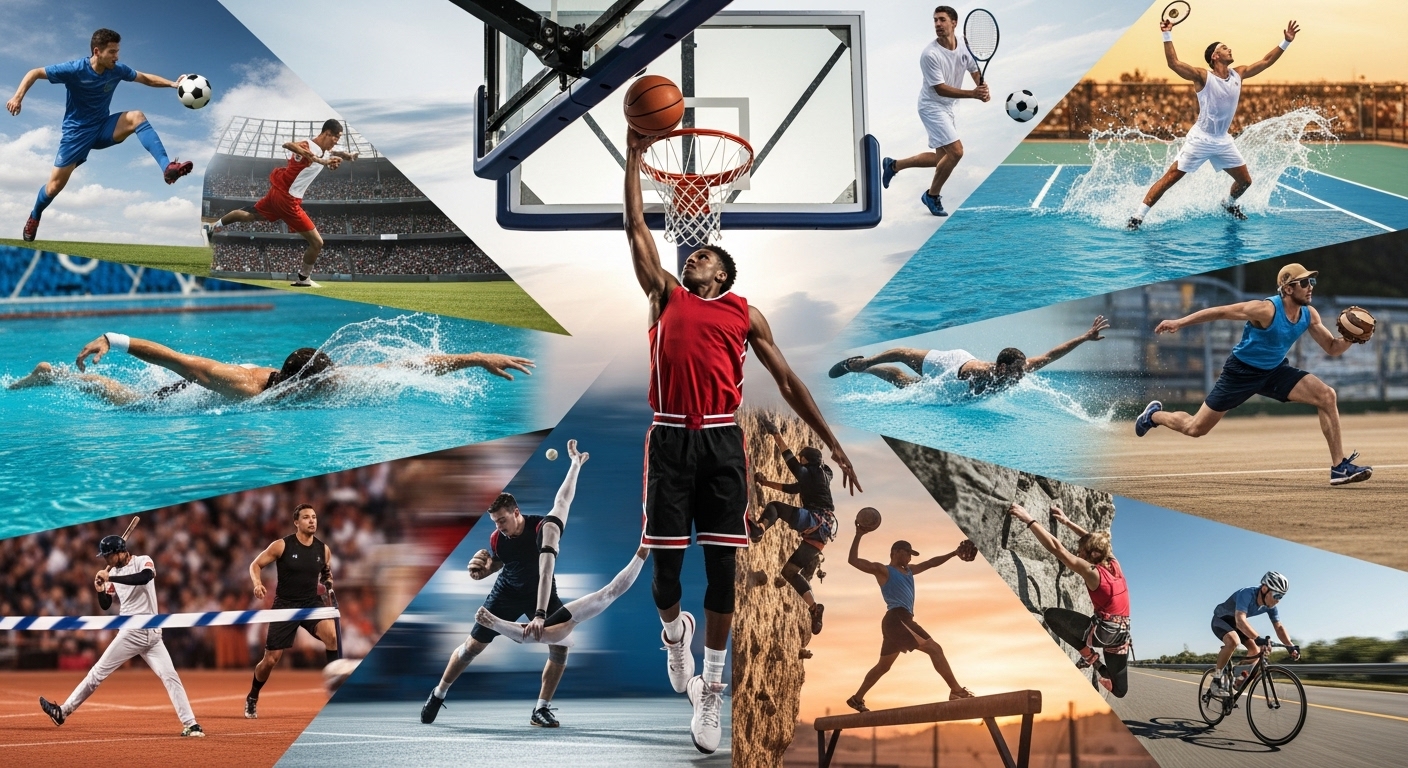
Introduction: The Essence of Sports
Sports have always been an integral part of human culture, transcending time, geography, and socio-economic boundaries. From ancient civilizations to modern times, sports have evolved into a global phenomenon that goes beyond simple recreation. Today, they represent more than just games—they are platforms for personal growth, cultural exchange, and community bonding. Whether it is a casual pick-up game of soccer in the park, a thrilling Olympic event, or a high-stakes professional match, sports bring people together and impact lives in profound ways. This blog explores the multifaceted role of sports, highlighting their physical, mental, social, and cultural significance.
The Physical Benefits of Sports
One of the most obvious benefits of engaging in sports is the positive impact on physical health. Regular participation in sports improves cardiovascular fitness, boosts muscle strength, enhances flexibility, and promotes overall physical well-being. The physical nature of sports requires individuals to push their bodies, which leads to better coordination, stamina, and endurance. Moreover, sports are essential in combating lifestyle diseases such as obesity, heart disease, and diabetes. With the increasing prevalence of sedentary lifestyles, sports provide an effective countermeasure, helping individuals maintain healthy body weight, improve bone density, and strengthen their immune systems.
In addition to the long-term health benefits, sports also help individuals develop a heightened sense of body awareness and control. Whether an athlete is playing basketball, swimming, or running, their understanding of movement and physical mechanics becomes sharper over time. This awareness can translate to improved posture, balance, and even better overall coordination in daily life.
Mental and Emotional Health Benefits of Sports
While the physical benefits of sports are widely recognized, their mental and emotional benefits are equally important. Engaging in physical activity triggers the release of endorphins, which are natural mood elevators that help reduce stress and anxiety. Sports offer a great way to unwind, clear the mind, and relieve emotional tension. When individuals participate in sports, they experience a sense of accomplishment and boost their self-esteem, which can enhance their overall outlook on life.
Team sports, in particular, have a profound impact on emotional health. Playing in a team environment fosters a sense of camaraderie and belonging, which can significantly reduce feelings of isolation and loneliness. The shared experience of working toward a common goal builds emotional bonds that extend beyond the game itself. Additionally, the lessons learned in sports, such as handling success and coping with failure, are valuable life skills that contribute to emotional resilience.
Sports as a Social Connector
Sports have a unique ability to bring people together, regardless of their backgrounds. Whether it’s a local football game or the global spectacle of the FIFA World Cup, sports create a sense of unity and shared experience. They break down cultural, linguistic, and economic barriers, enabling individuals from different walks of life to bond over a common interest. Sporting events, both professional and amateur, create a shared sense of excitement and pride within communities, often fostering local and national identities.
Community-based sports activities also play a vital role in building social cohesion. Local sports leagues and teams provide a space for people to meet, form friendships, and engage in healthy competition. For children and young adults, sports often serve as a critical outlet for socializing and learning important life skills such as teamwork, leadership, and communication. In addition to the direct social benefits, sports can also help reduce crime and antisocial behavior by providing structured, positive activities for individuals.
The Role of Professional Sports in Society
While grassroots sports play an essential role in community development, professional sports have a significant impact on society as well. Major leagues and tournaments like the NBA, Premier League, Super Bowl, and the Olympics capture the attention of millions of fans worldwide. Professional athletes, through their skill and dedication, become role models for young people, inspiring them to pursue excellence in their own lives. The athletes’ stories of perseverance, sacrifice, and hard work serve as a source of motivation for individuals across various fields of endeavor.
Professional sports also have a considerable economic impact. The sports industry generates billions of dollars in revenue through ticket sales, sponsorships, media rights, and merchandise. Large-scale events attract tourists and stimulate local economies by creating jobs and encouraging spending. Furthermore, the success of professional sports teams can boost national pride and unity, bringing a sense of collective achievement to a country’s citizens.
The Cultural Impact of Sports
Sports are deeply intertwined with culture, often reflecting and shaping societal values. They serve as a platform for cultural exchange, with events like the Olympics and the World Cup bringing people from different countries together to celebrate not only sport but also cultural diversity. In this sense, sports act as a universal language that transcends borders and fosters mutual respect among nations.
Cultural identity is also closely linked to sports. Many countries and regions have developed their own sporting traditions that serve as symbols of local pride. For example, cricket holds a special place in South Asia, while rugby is synonymous with New Zealand’s national identity. Similarly, American football is deeply embedded in the culture of the United States, influencing everything from social gatherings to fashion. The rituals, chants, and celebrations associated with sports create a sense of belonging and pride within communities, contributing to a shared cultural experience.
The Economic Impact of Sports
The economic influence of sports is vast and far-reaching. Professional sports leagues create jobs in a variety of sectors, from coaching and marketing to security and hospitality. Hosting major sporting events can lead to increased tourism and investment in infrastructure, which benefits local economies. For instance, the construction of stadiums, arenas, and transportation systems in preparation for global tournaments brings both short-term and long-term economic benefits.
Beyond the direct economic contributions, sports also inspire innovation in areas like technology, media, and entertainment. The advent of streaming services and sports broadcasting has revolutionized how fans engage with their favorite sports, making it possible to watch games in real-time from anywhere in the world. Furthermore, sports-driven technology, such as wearables for performance tracking and sports analytics, has spurred the development of new products and services.
Youth Sports and Their Long-Term Impact
Youth sports are foundational to the development of both physical and psychological skills. From an early age, children who participate in sports learn the importance of teamwork, discipline, and time management. These activities not only improve physical health but also teach important life lessons, such as overcoming obstacles, handling disappointment, and developing a strong work ethic.
Youth sports programs also offer a sense of structure and purpose, giving children an opportunity to thrive in a positive and supportive environment. Moreover, sports provide a healthy outlet for energy, helping young people develop lifelong habits that contribute to overall well-being. The benefits of youth sports extend beyond physical health—they also instill values that promote a positive self-image and contribute to academic success and personal growth.
Women in Sports: Breaking Barriers
Over the past few decades, the presence of women in sports has grown significantly, yet the path to equality has been filled with challenges. Historically, women were often excluded from sports or discouraged from pursuing athletic careers. However, with increased advocacy for gender equality and the rise of female athletes in high-profile sports, women have made tremendous strides in the world of athletics.
Women’s sports have gained visibility, with women breaking records and excelling in disciplines once dominated by men. Female athletes like Serena Williams, Simone Biles, and Megan Rapinoe have become household names, inspiring millions of young girls to pursue their athletic dreams. This shift is a testament to the changing societal norms around gender and athletics, and the continued push for equal opportunities and recognition in sports.
The Future of Sports: Evolving with Technology
The future of sports is inextricably linked to technological innovation. Advances in sports science, digital media, and performance analytics are transforming the way athletes train, compete, and interact with fans. Wearable devices that monitor an athlete’s health metrics in real-time are becoming commonplace, offering valuable insights into performance and recovery. Virtual and augmented reality are revolutionizing how fans experience live events, creating immersive, interactive environments that enhance the viewing experience.
Furthermore, esports, or competitive video gaming, has emerged as a rapidly growing sector within the sports industry. With millions of fans and professional players around the world, esports has the potential to redefine what it means to be an athlete. The rise of digital platforms and virtual competition is pushing the boundaries of traditional sports, offering new opportunities for engagement and innovation.
Conclusion: The Lasting Impact of Sports
Sports are far more than games—they are catalysts for personal growth, community building, cultural exchange, and economic development. Whether at the professional level or within local communities, sports continue to shape our lives in meaningful ways. From their physical and mental health benefits to their ability to foster unity and pride, sports hold a special place in society. As we look to the future, the evolving nature of sports, powered by technology and driven by inclusivity, promises to enhance their impact on generations to come.
In the end, the power of play lies not only in the excitement of competition but in the enduring values it instills—discipline, resilience, teamwork, and the pursuit of excellence. These are the lessons we carry with us, on and off the field, throughout our lives.