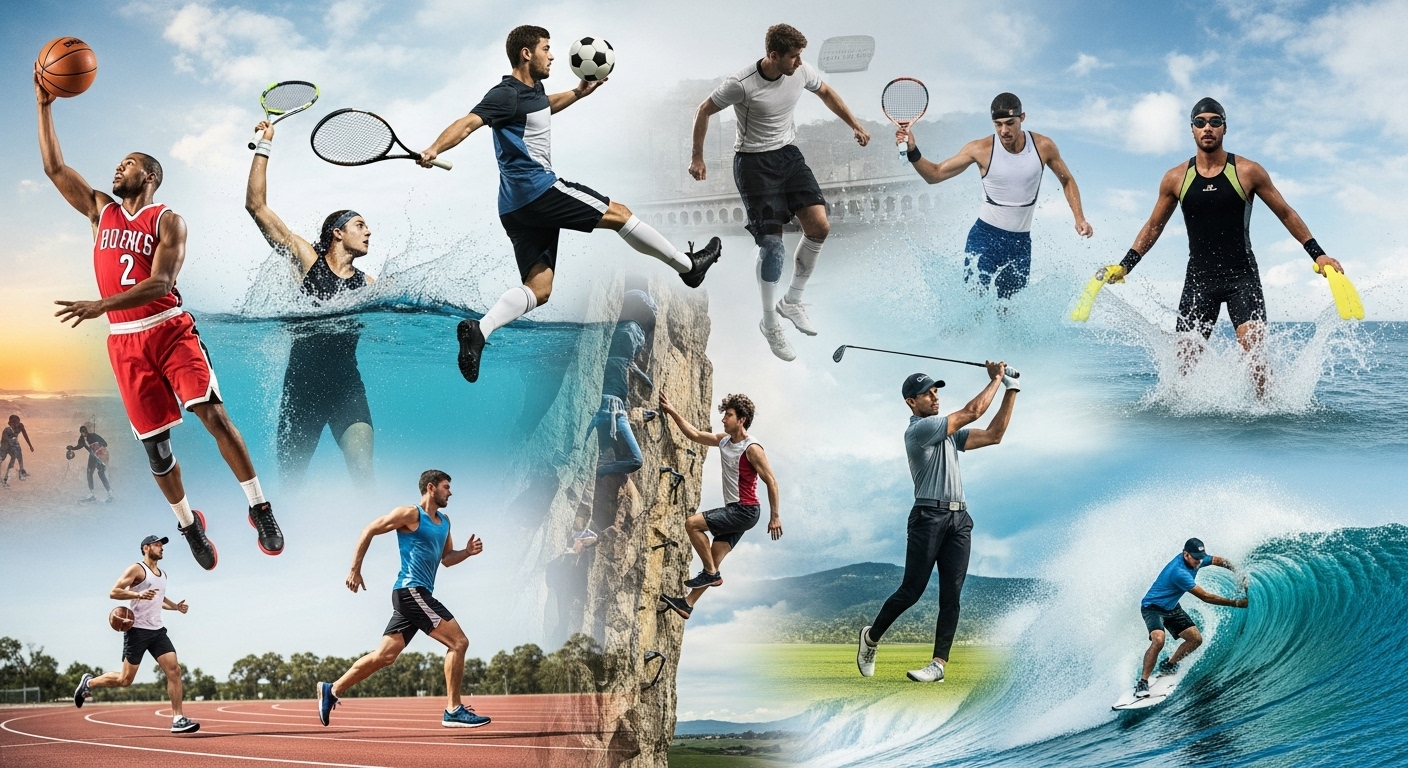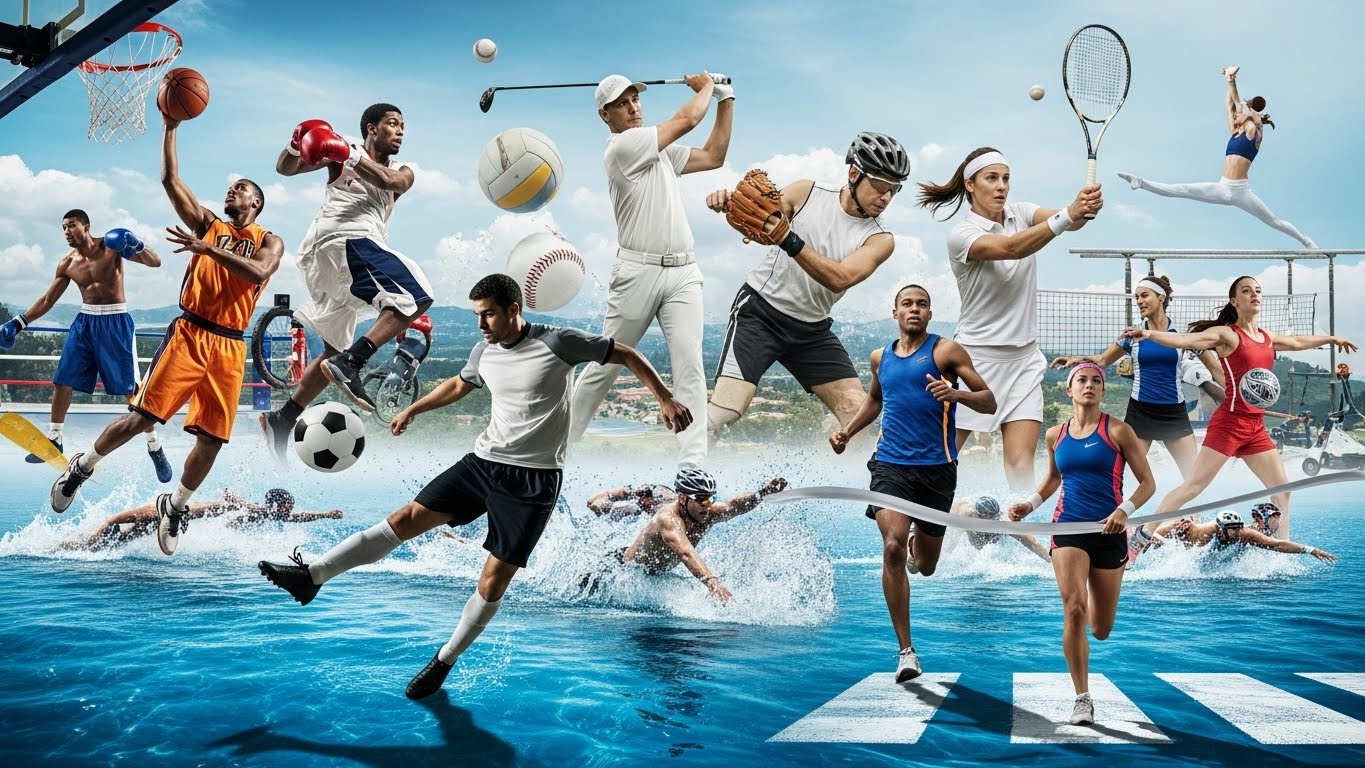





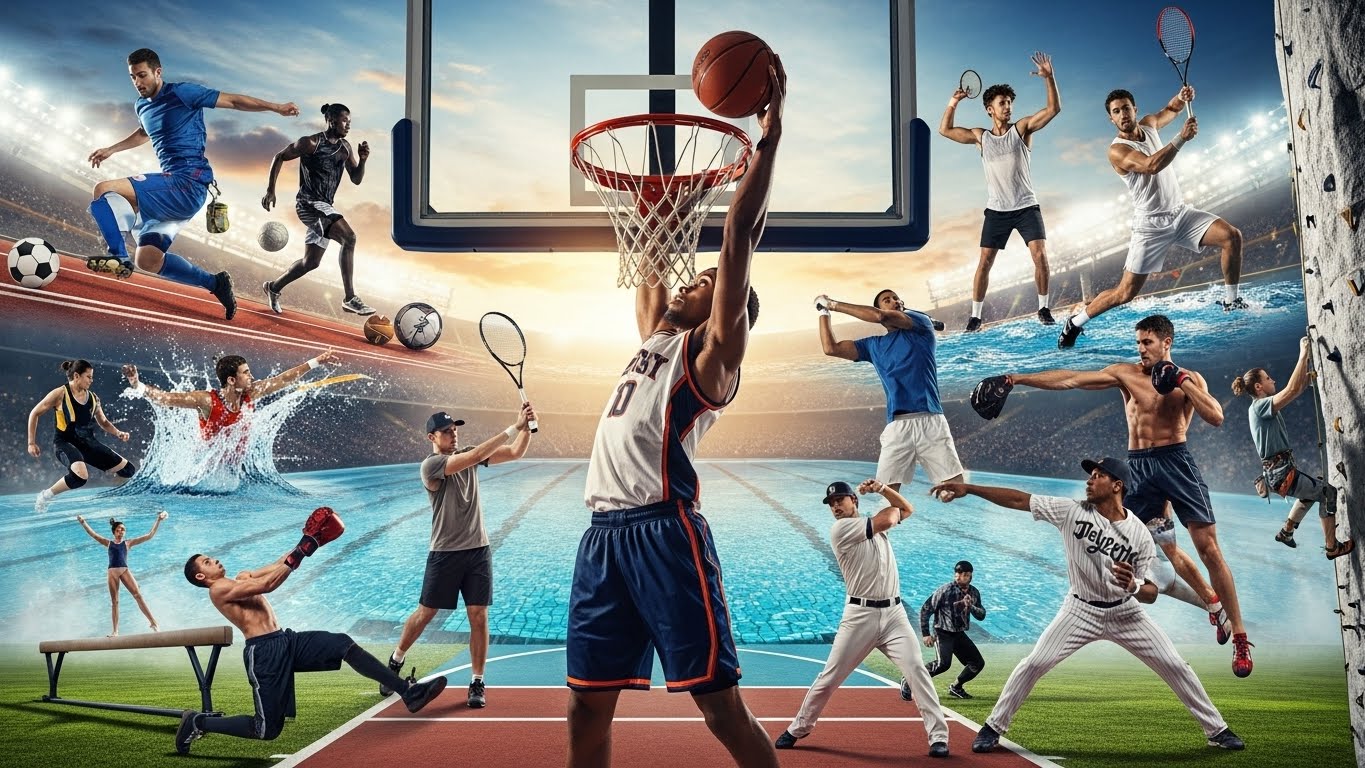
Sports are an integral part of human life, weaving themselves into the very fabric of society. They have existed for thousands of years, evolving alongside humanity and serving as a mirror to culture, values, and human potential. Beyond the excitement of competition, sports impact physical health, mental development, social connections, and even national identity. This blog explores how sports shape individuals and communities, their historical significance, and why they remain a universal language that connects people across borders.
The Historical Significance of Sports
Sports have a long and fascinating history, dating back to ancient civilizations. Evidence of athletic competitions has been found in ancient Egypt, Mesopotamia, and the Indus Valley, where games often had religious or ceremonial importance. Ancient Greece is particularly noteworthy, as it formalized sports and introduced the Olympic Games, which celebrated human physical achievement and honored the gods. These early competitions laid the foundation for modern sports, emphasizing skill, strategy, and teamwork.
Over the centuries, sports continued to evolve. In medieval Europe, jousting, archery, and sword fighting were popular forms of recreation and training. The modern era brought standardization and global reach. Sports such as football, basketball, cricket, and tennis transformed from local pastimes into professional arenas, attracting worldwide audiences and cultivating global fanbases. Sports history illustrates the human desire for competition, excellence, and social connection.
Physical Benefits of Sports
One of the most obvious advantages of participating in sports is physical health. Regular physical activity strengthens the cardiovascular system, enhances muscle and bone strength, and improves flexibility and coordination. Engaging in sports reduces the risk of chronic diseases such as obesity, diabetes, and heart conditions.
Sports also help regulate weight and encourage a healthy lifestyle. Athletes learn the importance of proper nutrition, exercise routines, and recovery, lessons that extend into daily life. Moreover, physical activity releases endorphins, chemicals in the brain that combat stress and improve mood. Sports, therefore, not only build the body but also contribute to overall well-being.
Mental and Emotional Growth Through Sports
While the physical advantages of sports are evident, the mental and emotional benefits are equally significant. Participation in sports fosters discipline, focus, and resilience. Athletes learn to set goals, manage time, and overcome challenges. These skills are transferable to academics, careers, and personal development.
Sports also teach valuable lessons about failure and perseverance. Losses are inevitable in competition, but they encourage reflection, problem-solving, and growth. Overcoming setbacks builds resilience, a quality essential for navigating life’s challenges. Additionally, sports can boost self-esteem and confidence, helping individuals develop a positive mindset and a sense of achievement.
Sports and Social Connection
Sports are a powerful tool for social cohesion. Local teams, school competitions, and professional leagues bring communities together, creating a sense of belonging and shared purpose. Fans unite through their passion, celebrating victories and enduring losses together. On the field, teamwork and collaboration teach individuals how to communicate effectively, respect differences, and support one another.
Community-based sports programs have proven particularly beneficial for youth development. They provide safe spaces for children and teenagers, promote healthy habits, and encourage social skills. Sports cultivate empathy, cooperation, and leadership, contributing to stronger and more connected communities.
Educational Impact of Sports
Sports play an essential role in education, both formally and informally. Schools and universities use sports to promote physical fitness, character development, and leadership skills. Participation in school sports often correlates with improved academic performance, as students learn to balance responsibilities, manage stress, and work toward long-term goals.
Inclusion is another critical aspect. Sports programs targeting girls, children with disabilities, or underprivileged youth ensure equal opportunities for participation. These programs instill confidence, self-discipline, and a sense of achievement, emphasizing the value of hard work and dedication in all areas of life.
Economic Influence of Sports
Sports have a significant economic impact on societies. Major events such as international tournaments generate revenue through ticket sales, merchandise, sponsorships, and broadcasting rights. Cities hosting events experience growth in tourism, infrastructure, and local business activity.
Beyond events, the sports industry provides employment opportunities in areas such as coaching, physiotherapy, media, and administration. Professional sports also stimulate local economies by attracting investments and creating jobs. The financial influence of sports highlights its importance not only as a form of entertainment but also as a contributor to economic development.
Sports and National Identity
Sports often serve as a symbol of national pride. International competitions like the Olympics, World Cup, and regional championships allow countries to showcase their talent and determination. Success in sports unites citizens, creating shared memories and fostering patriotism. Athletes become role models, demonstrating perseverance, integrity, and dedication.
Sports can also be a tool for diplomacy, bringing nations together and promoting cultural exchange. When a team or athlete achieves international recognition, it inspires future generations to strive for excellence, demonstrating the far-reaching impact of sports on society.
Technological Advancements in Sports
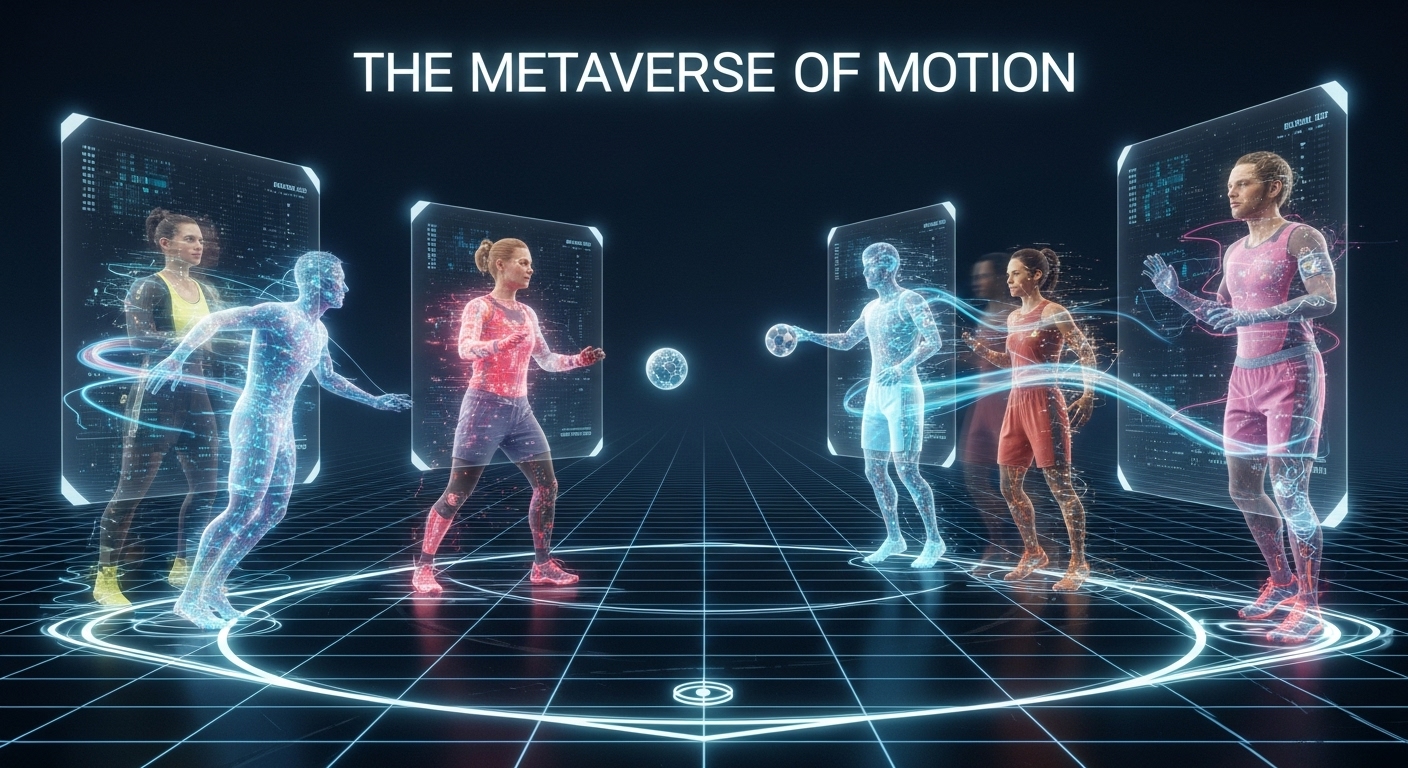
Technology has transformed the way sports are played, analyzed, and consumed. Advanced training equipment, wearable performance trackers, and video analysis help athletes improve their skills and prevent injuries. Sports science allows for precise monitoring of physical health, enhancing training efficiency.
Fans also benefit from technology, enjoying immersive viewing experiences through high-definition broadcasts and virtual platforms. Instant replay and data analytics improve fairness and strategy, making competitions more engaging. As technology continues to evolve, the future of sports will likely integrate physical performance with digital innovation, enhancing both participation and spectator experiences.
Sports as a Universal Language
One of the most remarkable aspects of sports is their universality. Regardless of culture, language, or nationality, sports provide a shared experience that transcends differences. International tournaments bring people together, promoting understanding and cooperation across borders. Sports foster inclusivity, allowing individuals from diverse backgrounds to connect through a common passion.
Whether it is children playing soccer in a small village or fans cheering in massive stadiums, sports create a sense of belonging and unity. They remind us that despite our differences, humans share fundamental desires for achievement, collaboration, and joy.
The Future of Sports
The future of sports looks promising, with increasing emphasis on inclusivity, sustainability, and innovation. Efforts to make sports accessible to marginalized groups are expanding, ensuring that everyone has the opportunity to participate. Environmental considerations are becoming integral, with eco-friendly stadiums and sustainable event management gaining prominence.
Technology will continue to play a pivotal role, from virtual training to augmented reality experiences for fans. The blending of traditional sports with digital advancements will create new ways to engage with and enjoy athletic activities. Yet, the essence of sports—the competition, camaraderie, and personal growth—will remain unchanged, continuing to inspire generations to come.
Conclusion: Sports as a Reflection of Humanity
Sports are far more than a form of recreation. They are a reflection of human potential, resilience, and social connection. By promoting physical health, mental growth, community engagement, and national pride, sports influence virtually every aspect of life. They teach lessons in discipline, teamwork, perseverance, and empathy that extend beyond the playing field.
From ancient games to modern global competitions, sports have evolved yet maintained their core purpose: to challenge, inspire, and unite people. They remind us of our shared humanity and the power of passion, determination, and collaboration. The true essence of sports lies not only in victories and records but in the transformative impact they have on individuals and society. Sports are, indeed, much more than just a game.