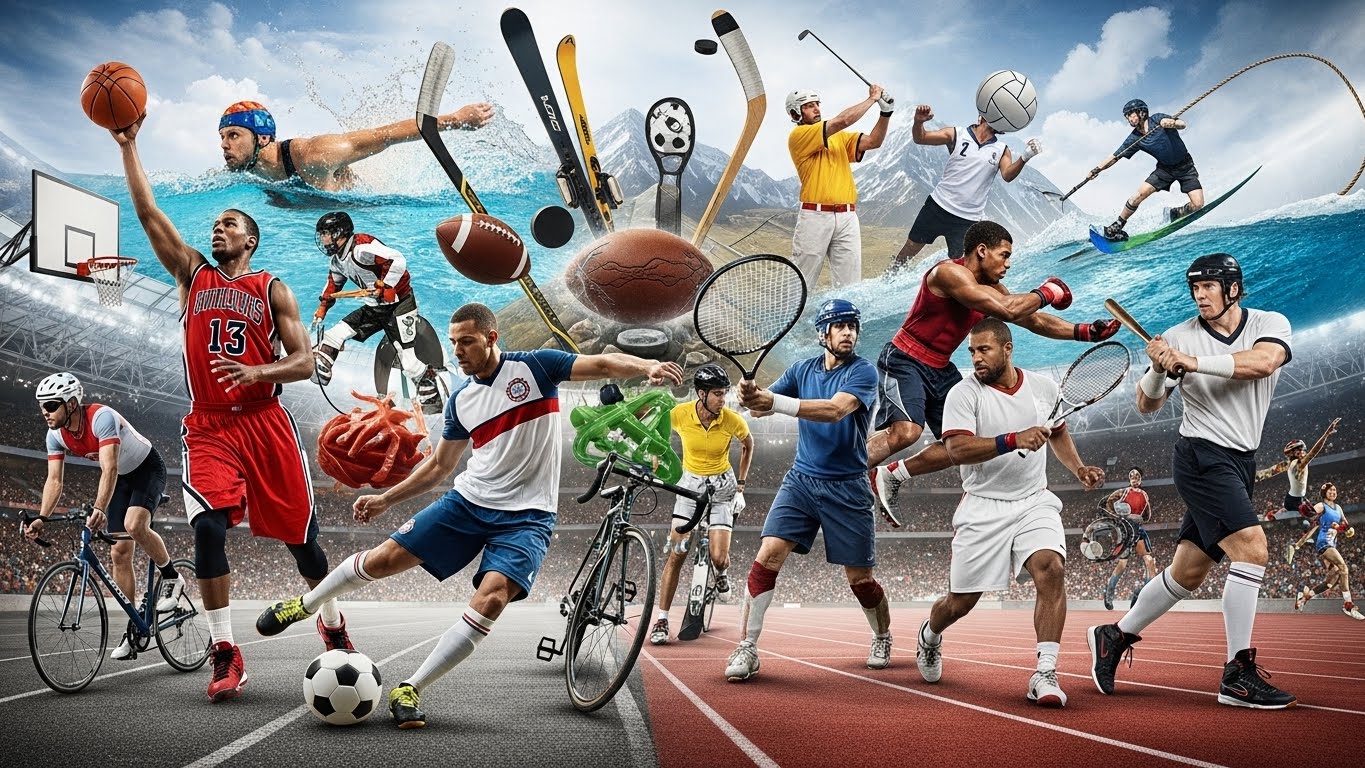






Introduction: Sports in the Modern Era
Sports have always been a reflection of human aspiration and achievement, a way to push physical and mental boundaries while fostering community, competition, and cultural exchange. For centuries, various forms of games, whether competitive or recreational, have played a crucial role in societies around the world. As we move into the 21st century, sports have evolved in ways that few could have predicted just a few decades ago.
From the advent of digital technology that has transformed fan engagement to the integration of data analytics in performance evaluation, modern sports are not only about physical prowess but also about technological integration, commercialization, and globalization. This blog explores how the landscape of sports has changed, examining the technological advancements, cultural shifts, and the role of media that have shaped the modern sporting world.
The Globalization of Sports: A Worldwide Phenomenon
Historically, sports were often confined to specific regions or countries. Local games were played by communities or nations, often as a way of establishing national identity or tradition. However, with the growth of media and improved transportation, sports have become a global language. Today, international events such as the FIFA World Cup, the Olympics, and the NBA Finals draw audiences from every corner of the globe.
This globalization of sports has allowed athletes to gain worldwide recognition. Players like Cristiano Ronaldo, LeBron James, and Serena Williams are not only known in their home countries but are also household names in distant continents. Social media platforms have played a significant role in connecting athletes with fans, enabling athletes to build personal brands and communicate with their followers directly, while also offering fans the ability to follow their favorite teams and players in real-time.
For sports organizations, globalization has opened new markets. The NBA, for example, has made significant inroads in China, while the English Premier League draws millions of viewers from Asia, the Middle East, and Africa. Sponsorships and international broadcasting deals have fueled the commercialization of sports, allowing leagues and teams to expand their reach and attract more investment.
While this internationalization brings financial benefits and broadens fan bases, it also presents challenges. Local traditions sometimes clash with global commercialization, and there are issues related to the ethics of sponsorship deals, particularly when it comes to gambling and alcohol companies. Despite these challenges, the overall impact of globalization on the sports industry has been undeniably transformative, creating a more interconnected world.
The Role of Technology: Enhancing Performance and Viewing Experience
Technology has undoubtedly had the most profound impact on sports in recent years, not only enhancing how the game is played but also how it is consumed. From performance tracking to instant replays, technology has revolutionized the entire ecosystem of sports.
Performance Tracking and Analytics: One of the biggest technological advancements in sports has been the introduction of performance analytics. The use of data to evaluate player performance and team strategy has become ubiquitous across all major sports. In football (soccer), teams use data analytics to track player movements, passing accuracy, and even the fatigue levels of players. Similarly, in basketball, teams analyze shooting percentages, assists, rebounds, and more to craft more effective game plans. This data-driven approach is also used to evaluate potential recruits, providing teams with a comprehensive understanding of a player’s capabilities.
Wearable technology has taken this even further. Smart devices, such as fitness trackers and heart rate monitors, allow athletes to track their physical performance in real-time. For example, in the world of cycling, athletes use sensors to monitor their pedaling technique, cadence, and power output. This data is invaluable in training, allowing athletes to push their limits while minimizing the risk of injury.
Instant Replay and VAR: In terms of viewing experience, technology has improved how sports are watched, with tools like instant replay and the Video Assistant Referee (VAR) system making their way into mainstream use. These innovations help referees make more accurate decisions during games, leading to fairer outcomes and fewer controversies. VAR, for example, is now used in major football leagues and tournaments like the FIFA World Cup to ensure that goals, penalties, and offside decisions are correct. The ability to view a play from multiple angles and slow it down for analysis has elevated the overall experience for fans, both in the stadium and at home.
Broadcasting and Streaming: Advances in broadcast technology, such as high-definition (HD) and 4K resolution, have drastically improved the viewing experience. Fans can now watch games with remarkable clarity, enjoying every detail of the action. Beyond traditional television, streaming platforms have made it possible for fans to watch games on their own terms. Services like Netflix, YouTube, and specialized sports networks have allowed fans to access live sports broadcasts, highlights, and documentaries, often with the ability to choose their preferred camera angles, commentary, and more. Mobile streaming apps have also made it easier for fans to watch games on-the-go, further enhancing accessibility.
The Future of VR and AR: Looking forward, virtual reality (VR) and augmented reality (AR) are set to play even larger roles in sports. With VR, fans will be able to experience games from the perspective of a player or even feel as though they are sitting courtside from the comfort of their homes. Augmented reality, on the other hand, can provide real-time stats and game information overlaying live broadcasts or in-person events, enhancing the fan experience with interactive content.
Cultural Shifts: Inclusion, Diversity, and New Opportunities
While sports have always been a reflection of cultural values, the past few decades have witnessed significant changes in how sports organizations and athletes handle issues of race, gender, and social justice.
Diversity and Inclusion: One of the most notable shifts in sports culture has been the increased focus on diversity and inclusion. Historically, many sports were dominated by specific racial or gender groups. However, the landscape is rapidly changing, and today, there is more representation across different communities. The rise of female athletes in sports like soccer, basketball, and tennis has been a significant step forward. Athletes such as Billie Jean King, Serena Williams, and Abby Wambach have paved the way for a more equitable presence of women in sports.
Additionally, there has been increased attention to racial diversity. Leagues like the NBA and NFL have seen the participation of African-American athletes grow exponentially, while initiatives like the “Black Lives Matter” movement have shed light on racial inequalities both inside and outside of sports arenas. The support for athletes speaking out on social issues, such as Colin Kaepernick’s protest during the national anthem, has sparked important discussions about race, inequality, and the role of sports in society.
The Rise of Adaptive Sports: Another important cultural shift is the rise of adaptive sports, which cater to athletes with disabilities. Events like the Paralympic Games have gained significant recognition, offering athletes with physical or intellectual disabilities a platform to showcase their talents. This shift has helped challenge long-standing perceptions of disability, fostering a new understanding of what it means to be an athlete.
E-Sports and Digital Sports Culture: Beyond traditional physical sports, there has been a massive rise in e-sports, which includes competitive video gaming. This new form of competition has garnered millions of followers around the world, especially among younger audiences. Esports has introduced new forms of professional competition, where gamers can play at the highest level, earn sponsorships, and compete for significant prize money. Although often debated, e-sports have gained legitimacy as a competitive sport, with organizations like the International Olympic Committee (IOC) exploring the idea of incorporating esports into the Olympic Games in the future.
The Business of Sports: Commercialization and Sponsorships
As sports have grown in popularity, they have also become big business. The commercialization of sports has led to enormous revenue streams, with sponsorships, merchandise sales, media rights, and ticket sales generating billions of dollars each year. Global brands such as Nike, Adidas, and Coca-Cola have invested heavily in sports sponsorships, associating their products with top athletes and teams. This partnership has not only created massive revenue for sports organizations but also turned athletes into global icons.
The financial stakes are incredibly high, and the business of sports is now a multi-billion-dollar industry. Leagues like the NFL, Premier League, and NBA generate significant revenue from broadcasting deals, and the rising costs of player salaries are a direct reflection of this financial boom. However, this commercialization has led to debates about the integrity of sports, with critics arguing that the focus on profits and entertainment often undermines the values of fair play and competition.
The Future of Sports: Innovation and Challenges Ahead
The future of sports is likely to be shaped by even more technological innovation. Whether through improvements in wearable technology, data analysis, or virtual reality, technology will continue to transform how athletes train, how games are played, and how fans experience sports. Additionally, there are promising developments in sustainability, with sports organizations beginning to prioritize environmental issues, such as reducing carbon footprints and promoting eco-friendly stadiums.
On the other hand, the challenges facing the sports industry are also significant. Issues such as athlete mental health, the exploitation of players, and the ethical concerns surrounding gambling sponsorships need to be addressed as sports continue to evolve. Furthermore, as the global audience for sports grows, the question of how to ensure that the growth of sports benefits all sectors of society remains crucial.
Conclusion: Sports in the 21st Century
Sports have come a long way from their humble beginnings, and their future looks incredibly bright. With the rise of new technologies, a greater focus on inclusion, and the globalization of sport, the landscape is constantly changing. As athletes push the limits of human potential and as fans continue to engage in new and exciting ways, the world of sports will continue to evolve. However, while the business, media, and technological aspects of sports will continue to grow, the heart of sports—competition, passion, and unity—will remain timeless. The future of sports promises to be both thrilling and transformative, opening up new opportunities for athletes, fans, and communities alike.