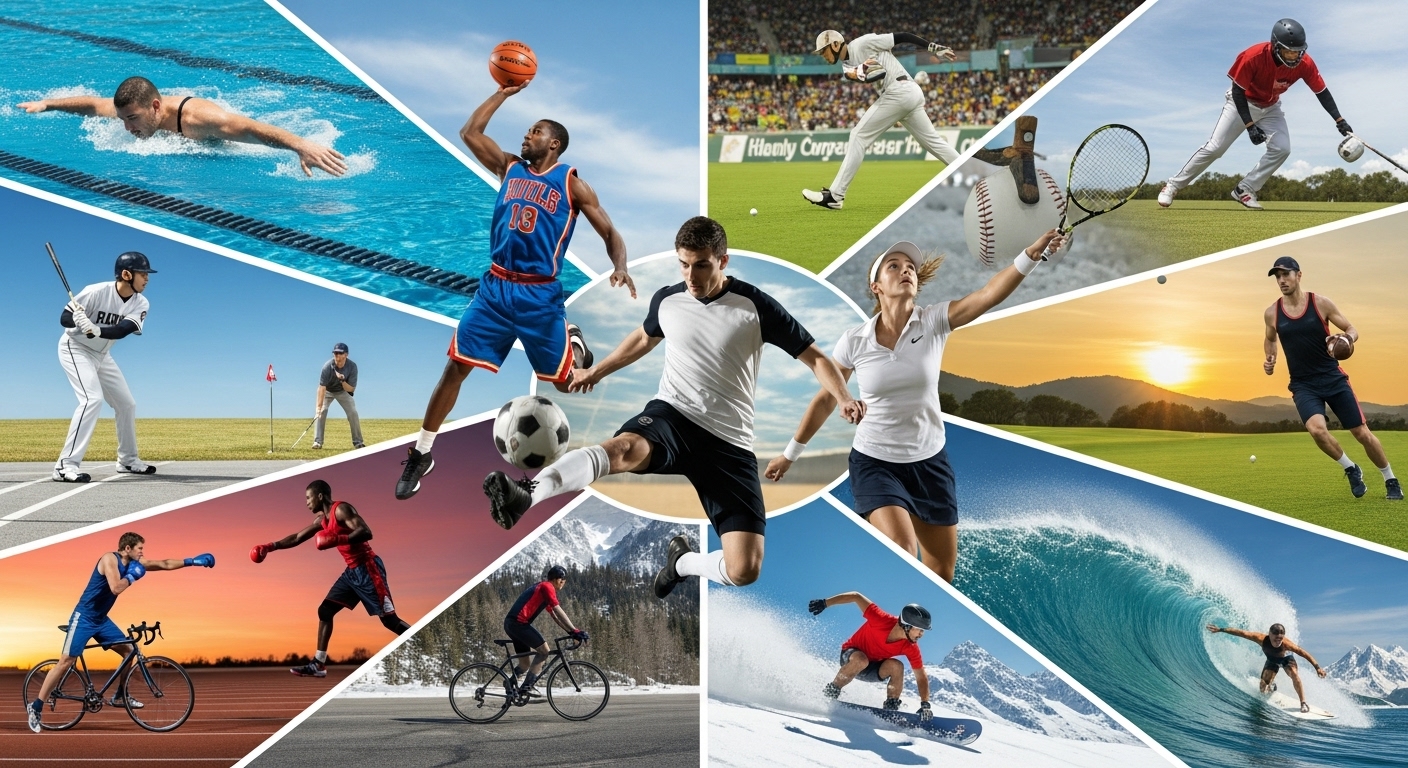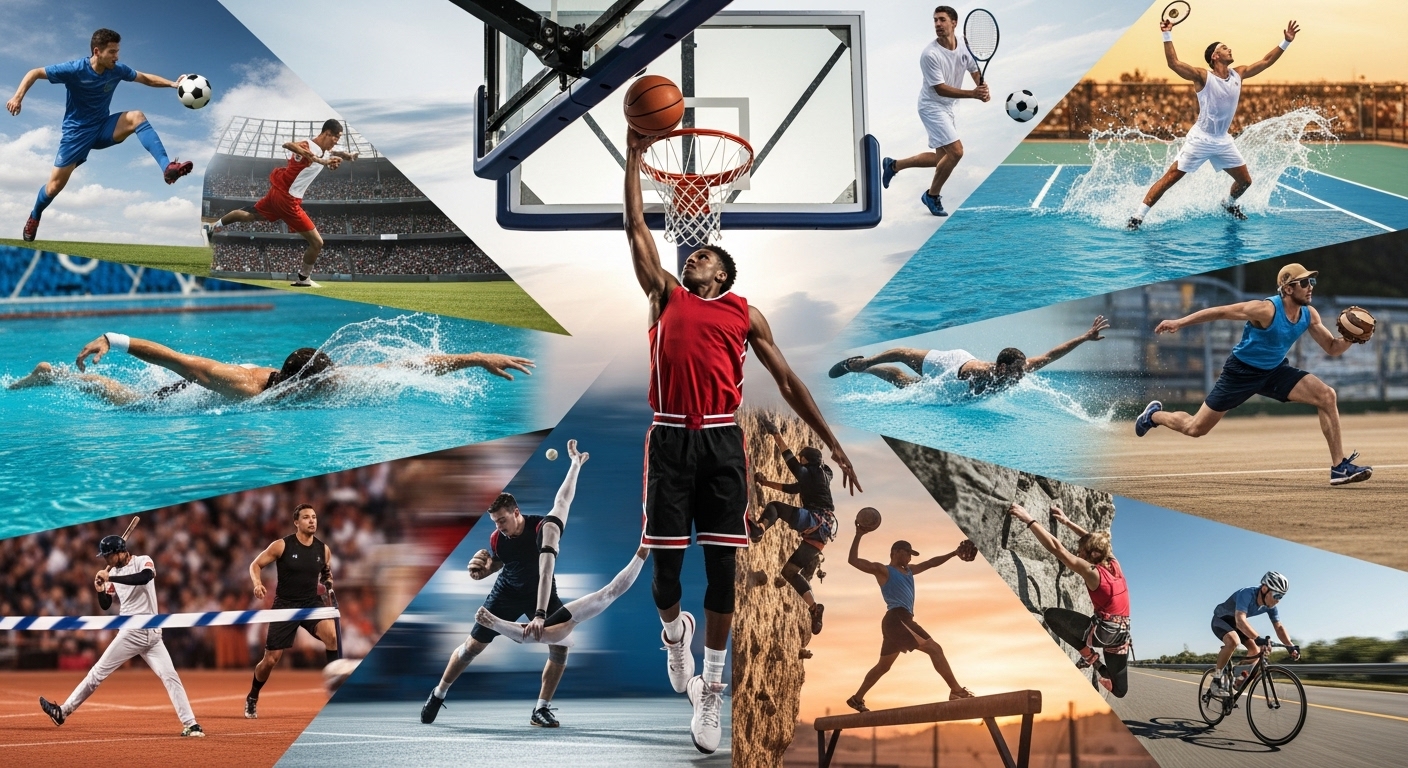






Sports are an integral part of human culture, transcending geographical, social, and cultural boundaries. From ancient competitions in Greece to modern-day global spectacles like the Olympics, sports have played a vital role in shaping societies, fostering unity, and promoting physical and mental well-being. But sports are more than just games; they are a reflection of human spirit, determination, and the pursuit of excellence.
The History of Sports
Sports have been a part of human civilization for thousands of years. The earliest records date back to ancient civilizations such as Mesopotamia, Egypt, and Greece, where physical activities and competitions were not only recreational but also had religious and societal significance. The Olympic Games, originating in ancient Greece around 776 BC, are one of the most iconic examples of organized sports, emphasizing competition, honor, and physical prowess.
Over centuries, sports evolved, reflecting societal changes and technological advancements. During the medieval period, sports were often linked to military training, including archery, sword fighting, and horseback riding. By the 19th century, sports had become more formalized with rules, regulations, and organized competitions. The invention of sports leagues and the rise of international tournaments transformed sports into a global phenomenon.
Types of Sports
Sports can be categorized into several types based on their nature, equipment, and the environment in which they are played. Each type offers unique benefits and appeals to different individuals.
1. Team Sports
Team sports involve organized groups of players competing against each other. These sports emphasize teamwork, strategy, and collective effort. Popular examples include football, basketball, cricket, and volleyball. Team sports teach essential life skills such as cooperation, communication, and leadership, making them highly beneficial for personal development.
2. Individual Sports
Individual sports focus on personal skill, performance, and endurance. Examples include tennis, swimming, gymnastics, and track and field events. These sports foster self-discipline, resilience, and self-motivation. The success of individual athletes often inspires millions, showcasing what dedication and hard work can achieve.
3. Adventure and Extreme Sports
Adventure and extreme sports are designed to challenge participants physically and mentally, often in unconventional environments. Activities like rock climbing, surfing, skydiving, and snowboarding fall under this category. These sports are exhilarating, pushing individuals beyond their comfort zones while encouraging risk-taking and courage.
4. Recreational and Fitness Sports
These sports are primarily aimed at maintaining health and fitness rather than competition. Yoga, jogging, cycling, and swimming are examples. They are accessible to people of all ages and are crucial in promoting a healthy lifestyle, stress reduction, and longevity.
The Benefits of Sports
Engaging in sports offers a multitude of physical, mental, and social benefits that contribute to overall well-being.
1. Physical Health Benefits
Regular participation in sports improves cardiovascular health, strengthens muscles and bones, enhances flexibility, and helps in maintaining a healthy weight. Sports also reduce the risk of chronic diseases like diabetes, hypertension, and obesity. The physical exertion involved in sports ensures a fit and active lifestyle.
2. Mental Health Benefits
Sports have profound effects on mental health. They help in reducing stress, anxiety, and depression by releasing endorphins, the body’s natural mood enhancers. Participation in sports also improves focus, concentration, and cognitive abilities. For children and adolescents, sports play a critical role in emotional development and resilience.
3. Social Benefits
Sports foster social interaction, teamwork, and communication skills. They provide a platform for individuals to connect, build friendships, and develop a sense of community. Participating in sports also teaches important values such as discipline, fair play, and perseverance, which are transferable to other areas of life.
4. Character Development
Sports instill essential life lessons. Athletes learn to handle success and failure gracefully, develop problem-solving skills, and cultivate a strong work ethic. Sports build confidence and self-esteem, encouraging individuals to strive for excellence in all aspects of life.
The Role of Sports in Society
Sports play a vital role in shaping societies and influencing cultures. They are a powerful tool for promoting social cohesion, national pride, and international diplomacy.
1. Cultural Significance
Sports reflect cultural values and traditions. Traditional games like Kabaddi in India, Sumo wrestling in Japan, and Capoeira in Brazil are more than just physical activities—they are cultural expressions that preserve heritage and identity.
2. National Unity
Sports have the power to unite people across diverse backgrounds. Major sporting events like the World Cup and the Olympics bring nations together, fostering a sense of collective pride and belonging. They transcend political, religious, and social differences, offering a platform for shared celebration.
3. Economic Impact
Sports are a significant economic driver, generating employment, tourism, and business opportunities. Professional sports leagues, sponsorships, and broadcasting rights contribute billions to national and global economies. Sports infrastructure development also stimulates local economies and enhances community engagement.
4. Social Change
Sports have been instrumental in promoting social change. They advocate for gender equality, inclusivity, and equal opportunities. Initiatives like promoting women in sports, supporting athletes with disabilities, and community-based sports programs create awareness and foster positive societal transformation.
Famous Sports and Their Global Appeal
Football (Soccer)
Football is the world’s most popular sport, played and watched by billions globally. Its simplicity, requiring minimal equipment, allows anyone to participate. The World Cup is one of the most-watched sporting events, showcasing the unifying power of football.
Cricket
Cricket has a massive following, especially in countries like India, England, Australia, and Pakistan. Its different formats, including Test, One Day, and T20, make it versatile and engaging. Cricket has produced legendary players whose influence transcends sports, inspiring millions.
Basketball
Basketball combines athleticism, strategy, and entertainment. Its fast-paced nature and global appeal, fueled by leagues like the NBA, make it a favorite among youth. Basketball courts in urban areas encourage community interaction and physical activity.
Athletics
Athletics encompasses a range of events like running, jumping, and throwing. It is the foundation of many sports and highlights individual skill, speed, and endurance. The Olympics celebrate athletics as a showcase of human potential and excellence.
Tennis
Tennis is both a recreational and competitive sport, known for its individual brilliance and tactical depth. Grand Slam tournaments like Wimbledon and the US Open attract global attention, highlighting the sport’s glamour and prestige.
Emerging Sports
In addition to traditional sports, new sports like esports, skateboarding, and mixed martial arts are gaining popularity. These modern sports attract younger audiences and offer alternative avenues for competition, entertainment, and career opportunities.
Sports and Technology
Technology has revolutionized sports in numerous ways. Innovations in equipment design, performance tracking, and injury prevention have enhanced athletic performance. Wearable devices, video analysis, and advanced training techniques allow athletes to optimize their abilities and achieve greater success.
Broadcasting and digital platforms have transformed sports consumption, enabling global audiences to follow events in real-time. Virtual reality, augmented reality, and interactive experiences are redefining fan engagement, making sports more immersive and accessible.
The Psychology of Sports
Understanding the psychological aspect of sports is crucial for both athletes and enthusiasts. Mental toughness, focus, and motivation significantly impact performance. Sports psychologists work with athletes to manage stress, overcome mental barriers, and develop strategies for peak performance. Visualization, goal-setting, and mindfulness techniques are commonly used to enhance competitive edge.
Women in Sports
The role of women in sports has grown tremendously over the past decades. Women athletes are breaking barriers, achieving remarkable milestones, and inspiring future generations. From Serena Williams in tennis to Simone Biles in gymnastics, female athletes have proven that talent and determination know no gender boundaries. Promoting gender equality in sports ensures inclusivity and diversity, empowering individuals globally.
Sports and Education
Incorporating sports into education is vital for holistic development. Schools and universities emphasize physical education to promote fitness, discipline, and teamwork. Student-athletes learn valuable life skills while balancing academics and sports, preparing them for future challenges both on and off the field.
Sportsmanship: The True Spirit of the Game
Sportsmanship goes beyond winning or losing. It is about integrity, respect, and fairness. Athletes who exhibit good sportsmanship inspire others and contribute to a positive sports culture. Cheering for opponents, following rules, and valuing effort over outcome define the essence of true sportsmanship.
Challenges in the World of Sports
Despite its many benefits, sports face several challenges. Issues like doping, corruption, match-fixing, and commercialization threaten the integrity of sports. Unequal access to resources and opportunities limits participation for underprivileged communities. Addressing these challenges requires collective efforts from governing bodies, athletes, and society.
The Future of Sports
The future of sports is bright and dynamic. Technological advancements, evolving formats, and increased global connectivity will continue to shape the sports landscape. Sustainability initiatives in stadiums, eco-friendly events, and inclusive programs ensure that sports contribute positively to society and the environment. Emerging sports, virtual competitions, and innovative fan experiences will redefine how sports are played, watched, and celebrated.
Conclusion
Sports are more than just physical activities—they are a powerful force that shapes culture, society, and individual lives. They promote health, instill discipline, foster unity, and inspire excellence. Whether it’s a local game, an international tournament, or an extreme adventure, sports remind us of the potential within each human being to strive, achieve, and overcome challenges.
In a world that often feels divided, sports stand as a unifying language, bridging gaps, celebrating diversity, and nurturing dreams. They are a testament to the enduring spirit of humanity, where passion, perseverance, and teamwork come together to create moments that are remembered for a lifetime.
Sports are not just games—they are life lessons, a source of joy, and a celebration of human potential. Embracing sports in our daily lives enriches us physically, mentally, and socially, making the world a healthier, happier, and more connected place.